
The modern lifestyle often leads to various health issues, particularly concerning eye health and circulation. Many individuals experience fatigue, blurred vision, or poor blood flow, which can significantly affect overall well-being. The search for natural remedies to combat these problems is increasingly common. Beetroot emerges as a powerful ally in this endeavor, boasting a rich nutritional profile that can enhance both eye health and circulation.
Beetroot is packed with essential vitamins, minerals, and antioxidants. These components work synergistically to improve blood flow and protect the eyes from oxidative stress. Understanding how to incorporate beetroot into daily routines can yield remarkable benefits. This guide delves into the numerous advantages of beetroot, specifically targeting eye health and circulation.
Incorporating beetroot into your diet can be both enjoyable and straightforward. From juices to salads, the versatility of this root vegetable offers various methods for consumption. Not only does beetroot provide a vibrant color to meals, but it also serves as a tool for enhancing health. This guide will explore practical applications, common mistakes, scientific evidence, and more to ensure you harness the full potential of beetroot.
Understanding the benefits of beetroot is the first step toward optimizing your health. This guide aims to illuminate the path toward better eye health and improved circulation through informed choices and practical applications.
Contents
How to Use Beetroot for Real Results
- Best Form: Fresh juice or cooked beetroot.
- Best Time: Morning or pre-workout.
- Expected Result: Enhanced circulation and improved eye health.
For Daily Protection
The preparation involves gathering fresh beetroots, a juicer, and optional ingredients like ginger or apple for added flavor. Clean the beetroots thoroughly and peel them if desired. If using additional ingredients, have them ready for juicing.
Juicing the beetroots is straightforward. Cut them into smaller pieces to fit into the juicer. Juice the beetroots until you have a vibrant liquid. For an extra kick, add ginger or apple pieces during the juicing process. Stir the juice well before consuming.
Upon drinking, a refreshing and slightly earthy flavor will greet your taste buds. The sensation of energy may arise within minutes, with a warm feeling spreading through your body. This invigorating effect can last for several hours, providing sustained vitality throughout the day.
Pro Tip: For maximum benefits, consume beetroot juice fresh to retain its nutrients.
Enhancing Athletic Performance
Prepare by gathering fresh beetroots, a blender, and a strainer. You may also want to have a banana and some yogurt on hand for a smoothie option. Thoroughly wash the beetroots and cut them into smaller pieces.
Blend the beetroots with water until smooth. Strain the mixture to remove pulp, yielding a concentrated beetroot juice. If desired, blend in the banana and yogurt for a nutrient-rich smoothie.
The resulting drink will have a thick and creamy texture if blended with yogurt. The refreshing taste combined with a slight earthiness will awaken your senses. The energy boost typically lasts for a couple of hours, enhancing endurance and stamina during physical activities.
Pro Tip: Drink this smoothie about 30 minutes before your workout for optimal results.
The Evening Wind Down
Start by gathering roasted or boiled beetroots, feta cheese, and walnuts. Chop the beetroots into bite-sized pieces while preparing the other ingredients.
Combine the beetroot pieces with crumbled feta and chopped walnuts in a bowl. Drizzle with olive oil and lemon juice for added flavor. Toss the salad lightly to mix the ingredients evenly.
Eating this salad provides a delightful crunch and a burst of flavors. The earthiness of the beets pairs well with the creaminess of the feta. This dish can create a calming effect, helping you unwind after a long day. The benefits of improved circulation can linger, aiding relaxation and promoting restful sleep.
Pro Tip: Pair this salad with a warm herbal tea to enhance relaxation.
Avoiding Common Pitfalls
Neglecting Freshness
Using old or wilted beetroots can diminish the health benefits. Fresh beetroots contain higher levels of essential nutrients and antioxidants. Consuming stale produce may lead to suboptimal results. Always select firm, vibrant beetroots when shopping.
To ensure freshness, purchase beetroots from local farmers’ markets or organic stores. Storing them in a cool, dark place can prolong their shelf life. Avoid washing them until use to prevent spoilage.
Choosing fresh ingredients will significantly enhance the nutritional profile of your meals. Fresh beetroots not only taste better but also provide a more potent health boost.
Overconsumption
Excessive intake of beetroot can lead to temporary side effects such as digestive discomfort or beeturia, a harmless condition resulting in pink urine. Moderation is vital to avoid these issues while still reaping the benefits.
Aim for a daily serving of 1 to 2 medium-sized beetroots. This amount provides sufficient nutrients without overwhelming the digestive system. Adjust your intake based on personal tolerance and dietary needs.
Maintaining a balanced approach ensures you enjoy the advantages of beetroot without adverse effects. Moderation allows for sustainable health improvements over time.
Ignoring Preparation Methods
Failing to prepare beetroot properly can lead to a loss of flavor and nutrients. Cooking methods such as boiling can reduce the nutritional content. Opting for raw or lightly steamed beets preserves their health benefits.
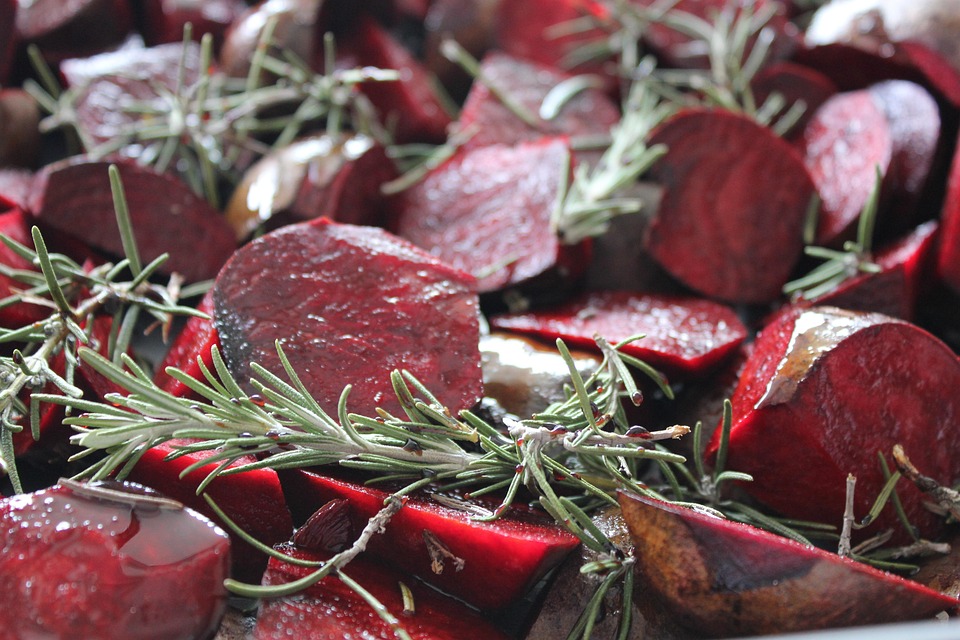
Roasting or juicing beetroots retains most of their nutrients while enhancing flavor. When cooking, keep skin on to limit nutrient loss. Experimenting with different preparation methods can reveal new tastes and textures.
Being mindful of preparation techniques maximizes the health benefits of beetroot. Discovering enjoyable ways to consume them will encourage consistent intake.
Understanding the Science Behind Beetroot
The biological mechanism by which beetroot supports eye health and circulation revolves around its high nitrate content. Nitrates convert to nitric oxide in the body, which helps dilate blood vessels. This dilation improves blood flow and lowers blood pressure, fostering enhanced oxygen delivery to tissues.
Key compounds in beetroot include betalains, which are responsible for its vibrant color. Betalains possess antioxidant properties that protect cells from oxidative stress. This protection is crucial for maintaining eye health, as oxidative damage can lead to conditions such as macular degeneration.
Clinical studies have shown that beetroot supplementation can lead to improvements in cardiovascular health. A study published in the journal “Nutrients” highlights the positive effects of beetroot on blood pressure and exercise performance. For more information, refer to the detailed findings on PubMed.
Choosing the Right Product
- Potency: Look for beetroot products that specify the amount of active compounds. Higher potency often ensures better results.
- Purity: Select products with minimal additives. Pure beetroot products maximize health benefits without unnecessary ingredients.
- Form: Determine whether to use powder, capsules, or juice based on personal preference. Each form offers unique advantages for convenience and absorption.
Benefits vs Risks
| The Benefits | Potential Downsides |
|---|---|
| Improves blood circulation | Can cause digestive discomfort if overconsumed |
| Rich in antioxidants | Beeturia may occur, leading to pink urine |
| Supports eye health | May interact with certain medications |
Habits for Enhanced Well-being
Incorporate regular physical activity into your routine to amplify the benefits of beetroot. Exercise boosts circulation and complements the effects of beetroot consumption, promoting cardiovascular health.
Mindfulness practices such as meditation can further enhance overall wellness. Reducing stress levels helps maintain healthy blood pressure and improves circulation.
Who Should Avoid This?
– Individuals with low blood pressure should consult a healthcare provider before consuming large amounts of beetroot.
– Those with a history of kidney stones may need to limit intake due to oxalates in beetroot.
– Pregnant women should seek medical advice before adding beetroot supplements to their diet.
Common Questions
Can beetroot improve vision?
Beetroot contains antioxidants that may help protect the eyes from oxidative stress, potentially reducing the risk of vision-related issues.
How often should I consume beetroot?
A daily serving of one to two medium-sized beetroots is generally recommended for optimal benefits.
Is beetroot juice better than whole beets?
Juicing can enhance nutrient absorption, but whole beets provide fiber, which is beneficial for digestion.
Are there any side effects of beetroot?
Some individuals may experience digestive discomfort or beeturia when consuming beetroot in excess.
The Bottom Line
Beetroot offers substantial health benefits for circulation and eye health.
- The Truth: Overconsumption may lead to minor side effects.
- The Strategy: Consume beetroot in moderation, ideally in the morning or pre-workout.
- The Next Step: Incorporate regular exercise to complement the effects of beetroot.
Get Your FREE Natural Health Guide!
Subscribe now and receive our exclusive ebook packed with natural health tips, practical wellness advice, and easy lifestyle changes, delivered straight to your inbox.