
Contents
Bananas are often seen as a simple and convenient snack. However, they hold significant potential for supporting cardiovascular health, particularly in managing blood pressure. High blood pressure, or hypertension, is a widespread condition affecting millions of individuals globally. This condition can lead to severe health issues, including heart disease and stroke. While medications may be necessary for some, dietary choices play a crucial role in managing blood pressure effectively.
Among various foods, bananas stand out due to their rich potassium content and other beneficial nutrients. Potassium is a vital mineral that helps balance sodium levels in the body, promoting healthy blood pressure. Many people are unaware of how simple dietary changes can yield substantial health benefits. Incorporating bananas into your daily routine may provide an accessible and enjoyable way to support your cardiovascular health.
Understanding how to leverage the benefits of bananas can empower individuals to take charge of their health. This guide will explore practical applications, the science behind bananas, and lifestyle tips to help you effectively integrate them into your diet. By the end, you will have a comprehensive understanding of how bananas can serve as a valuable ally in managing blood pressure.
Effective blood pressure management involves more than just medication. It requires a holistic approach that includes dietary choices, physical activity, and lifestyle habits. Bananas can be a key component of this strategy, helping you make informed decisions to support long-term health.
How to Use Bananas for Real Results
- Best Form: Fresh bananas
- Best Time: Morning or as a snack
- Expected Result: Balanced blood pressure levels
For Daily Protection
The Prep: Start your day with a fresh banana. Choose ripe bananas that are firm but not overly soft. You may also consider pairing it with a source of healthy fat, such as almond butter, to enhance nutrient absorption.
The Action: Simply peel the banana and enjoy it as is, or slice it over a bowl of oatmeal or yogurt. If you prefer a smoothie, blend the banana with spinach and a splash of almond milk for a nutrient-packed drink.
The Feeling: The moment you bite into the banana, you will experience its creamy texture and natural sweetness. This satisfying snack will keep you energized and satiated, providing a steady release of energy throughout the morning.
Pro Tip: Pair bananas with foods high in healthy fats for enhanced nutrient absorption.
Boosting Post-Workout Recovery
The Prep: After a workout, grab a banana and consider adding a scoop of protein powder or some Greek yogurt for extra protein.
The Action: Consume the banana within 30 minutes after your workout. This timing is crucial for recovery. You can also blend the banana with protein powder and water or milk for a quick recovery shake.
The Feeling: You will likely feel a quick surge of energy from the natural sugars in the banana. This can help alleviate fatigue while providing your muscles with the necessary nutrients for recovery.
Pro Tip: Consuming a banana within 30 minutes post-exercise can maximize muscle recovery.
The Evening Snack
The Prep: Choose a banana that is ripe and free from blemishes. You may also want to consider a small handful of nuts or seeds to accompany it.
The Action: Enjoy the banana as a standalone snack or slice it and add it to a bowl of unsweetened cereal. This combination can satisfy your evening cravings without adding excessive calories.
The Feeling: Eating a banana in the evening can provide you with a sense of fullness and satisfaction. The natural sugars will help curb cravings while the potassium aids in muscle relaxation.
Pro Tip: A banana before bedtime can promote better sleep due to its magnesium content.
Common Mistakes to Avoid When Using Bananas
Ignoring Ripeness
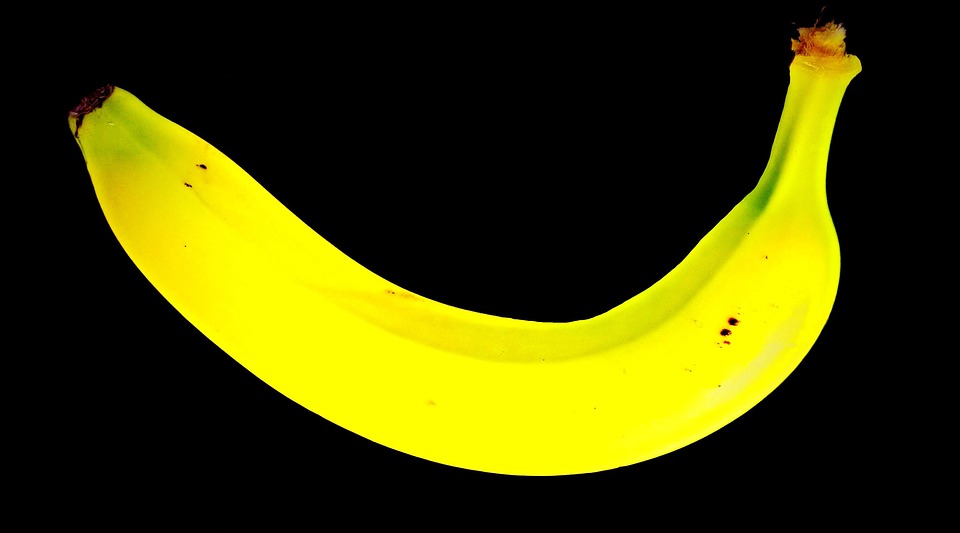
Choosing bananas that are not ripe can lead to an unpleasant taste and texture. Unripe bananas contain more starch and less sugar, making them harder to digest. Opt for bananas that are fully yellow with some brown spots for the best flavor and nutritional benefits.
If you find yourself with unripe bananas, consider letting them sit at room temperature for a few days until they ripen. This will enhance their natural sweetness and make them more enjoyable to eat.
Overlooking Pairings
Many people consume bananas alone, missing out on the benefits of combining them with other foods. Pairing bananas with protein or healthy fats can improve nutrient absorption and make for a more balanced snack.
For instance, spreading almond butter on a banana not only enhances flavor but also adds protein and healthy fats. This combination can help sustain energy levels and keep you feeling fuller for longer.
Neglecting Portion Control
While bananas are nutritious, they also contain natural sugars. Overconsumption can lead to excess caloric intake. Be mindful of portion sizes, especially if you are monitoring your caloric intake.
Aim to consume one medium banana as part of your daily fruit intake. This will provide you with the benefits of potassium without overloading on sugars.
The Science Behind Bananas and Blood Pressure
The biological mechanism by which bananas help manage blood pressure primarily revolves around their potassium content. Potassium works by counteracting the effects of sodium in the body. Sodium retention can lead to elevated blood pressure, while potassium helps to relax blood vessel walls, promoting better blood flow.
One key compound in bananas is potassium. A medium banana contains approximately 422 milligrams of potassium, making it an excellent source of this essential nutrient. Adequate potassium intake is associated with lower blood pressure levels and reduced risk of cardiovascular disease.
Clinical evidence supports the role of potassium in blood pressure management. A meta-analysis published in the American Journal of Hypertension highlights the positive effects of potassium on blood pressure regulation. For more in-depth information, refer to this PubMed search for related studies.
Choosing the Right Product
- Potency: Ensure the bananas are fresh and ripe to maximize their potassium content.
- Purity: Look for organic bananas if possible to avoid pesticide exposure.
- Form: Fresh bananas are the best choice, as they retain the most nutrients compared to processed forms such as chips or powders.
Benefits vs Risks
| The Benefits | Potential Downsides |
|---|---|
| Rich in potassium, which helps regulate blood pressure. | High in sugar, which can lead to weight gain if consumed excessively. |
| Easy to incorporate into meals and snacks. | May cause digestive issues in some individuals, especially if consumed in large quantities. |
| Contains fiber, promoting digestive health. | Some people may be allergic to bananas. |
Habits to Enhance Your Health
Incorporating daily physical activity can enhance the benefits of bananas. Regular exercise helps regulate blood pressure and can improve heart health. Combine your banana intake with a consistent workout routine for optimal results.
Mindful eating is another habit to consider. Paying attention to portion sizes and food combinations can maximize the benefits of bananas while ensuring balanced nutrition.
Who Should Avoid This?
– Individuals with latex allergies, as they may also react to bananas.
– People with specific kidney issues should consult a healthcare provider before increasing potassium intake.
– Those on certain medications such as potassium-sparing diuretics should be cautious about their banana consumption.
Common Questions
Can bananas help lower blood pressure?
Yes, bananas are rich in potassium, which can help lower blood pressure by balancing sodium levels in the body.
Is it better to eat bananas alone or with other foods?
Pairing bananas with protein or healthy fats is beneficial as it enhances nutrient absorption and keeps you satiated for longer.
How many bananas should I eat in a day?
One medium banana per day is recommended to reap the benefits without overloading on sugars.
Are there any side effects of eating bananas?
While bananas are generally safe, overconsumption can lead to excessive sugar intake and digestive discomfort in some individuals.
The Bottom Line
Incorporating bananas into your diet can significantly support blood pressure management.
- The Truth: While bananas are beneficial, they should be part of a broader dietary approach.
- The Strategy: Enjoy bananas in the morning or as a snack for optimal benefits.
- The Next Step: Consider mindful eating habits to enhance your overall health.
Get Your FREE Natural Health Guide!
Subscribe now and receive our exclusive ebook packed with natural health tips, practical wellness advice, and easy lifestyle changes, delivered straight to your inbox.