
Revitalize Your Feet: Embracing a Mustard Foot Bath for Warming Circulation
A mustard foot bath represents a time honored practice, often sought for its distinctive warming sensation. This simple, home based ritual involves immersing the feet in warm water infused with mustard powder.
People often explore this approach to support a sense of comfort and ease. The experience can contribute to a generalized feeling of relaxation and well being.
The core concept behind a mustard foot bath for warming circulation centers on the natural properties of the mustard plant. This guide explores the historical context, botanical science, and practical application of this unique wellness practice.
The Enduring Legacy of Mustard in Traditional Wellness Practices
Mustard, in various forms, holds a distinguished place across diverse traditional wellness systems worldwide. Its usage extends beyond culinary applications, frequently appearing in folk remedies and comfort practices for generations.
Ancient civilizations, including the Greeks and Romans, documented the external use of mustard. They often prepared mustard plasters or poultices, applying them to the body as a way to evoke a local warming sensation.
In various European and Asian traditions, mustard preparations were considered valuable for their ability to promote comfort. These historical applications highlight a long standing human connection with the plant’s unique properties.
The practice evolved over centuries, with different cultures adapting mustard use to their specific needs. From simple topical applications to infused baths, the underlying principle remained consistent: leveraging mustard for its perceptible warming effect.
This widespread historical adoption underscores a collective human experience with mustard’s comforting attributes. It points to an intuitive understanding of its potential to contribute to general physical ease.
- Historical Uses: Topical plasters, poultices, infused baths.
- Traditional Belief: Associated with local warming and comfort.
- Key Application: External body application for a sensory experience.
Cultural Integration
Many cultures integrated mustard into seasonal comfort rituals, particularly during colder months, as a method to foster a feeling of inner warmth.
Decoding the Botanical Power of Mustard Seeds
Mustard plants belong to the Brassica family, a group renowned for various nutrient rich vegetables. The seeds, however, contain distinct compounds that contribute to their characteristic pungency and therapeutic interest.
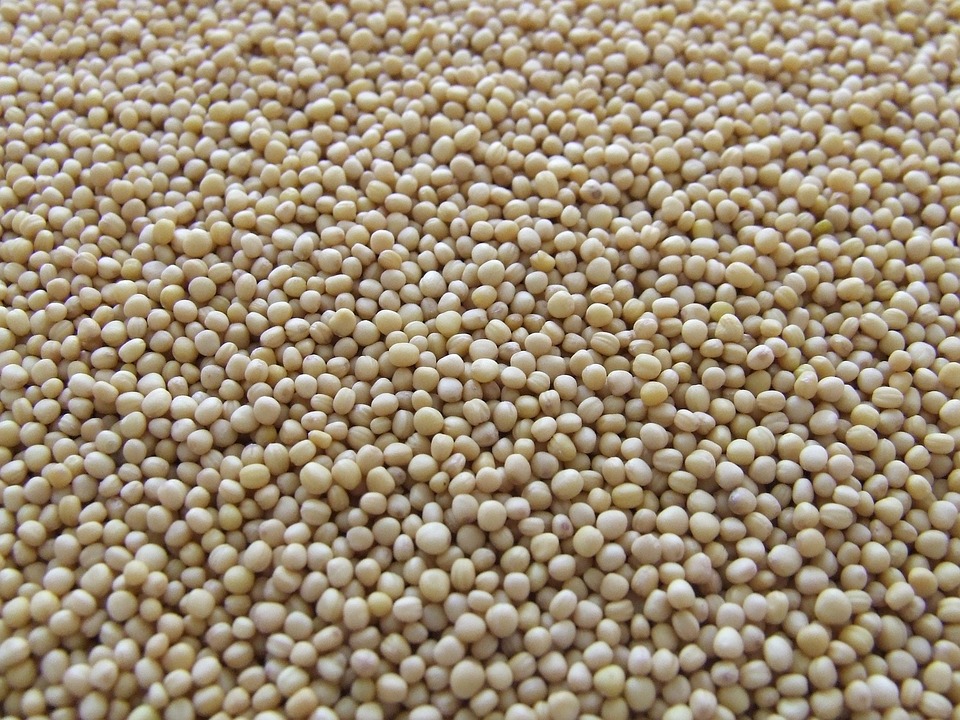
The primary types of mustard seeds commonly referenced are brown mustard (Brassica juncea) and white mustard (Sinapis alba). Each variety possesses a unique profile of precursor compounds, known as glucosinolates.
These glucosinolates are largely inert until the seeds are crushed and mixed with water. This action triggers an enzymatic reaction, transforming the precursors into active compounds responsible for mustard’s notable qualities.
Understanding these botanical distinctions is key to appreciating the subtle differences in the sensory experience of various mustard preparations. The choice of mustard type influences the intensity and nature of the warming sensation.
The plant’s natural defense mechanisms are, in fact, what make it so interesting for wellness applications. These internal chemical reactions are a fascinating example of botanical biochemistry at work.
- Botanical Family: Brassica.
- Primary Compounds: Glucosinolates.
- Notable Characteristic: Enzymatic activation upon crushing and hydration.
Active Compound Breakdown
The seeds of both brown and white mustard contain specific glucosinolates that activate into distinct warming compounds when processed.
Allyl Isothiocyanate: The Pungent Principle
When brown mustard seeds are ground and introduced to water, an enzyme called myrosinase goes to work. This enzyme acts upon a glucosinolate called sinigrin.
The resulting chemical transformation yields allyl isothiocyanate (AITC). This compound is well known for its volatile nature and sharp, pungent aroma. It is the primary agent behind brown mustard’s characteristic heat.
AITC is often discussed for its ability to create a palpable warming sensation when applied topically. This sensation is a direct result of its interaction with sensory receptors on the skin.
People commonly describe the feeling as a gentle, spreading warmth, rather than a burning heat. It is this specific sensory response that makes brown mustard a favored choice for foot baths.
The interaction of AITC with the skin’s surface contributes to a generalized feeling of comfort and stimulation. This is a purely sensory experience, not a physiological intervention.
- Key Compound: Allyl Isothiocyanate (AITC).
- Activation Method: Myrosinase enzyme acts on sinigrin.
- Associated Sensation: Pungent, volatile, creates a warming feeling.
Bio-Activation Process
Simply crushing brown mustard seeds and adding water initiates the rapid enzymatic conversion, releasing the key active compound.
Sinigrin and Sinalbin: The Core Glucosinolates
Sinigrin is the primary glucosinolate found in brown and black mustard seeds. As discussed, its enzymatic breakdown produces allyl isothiocyanate, which is responsible for the stronger, more robust warming sensation.
Conversely, white mustard seeds contain a different glucosinolate named sinalbin. When sinalbin undergoes enzymatic hydrolysis, it yields a compound called sinalbin isothiocyanate.
Sinalbin isothiocyanate is generally considered milder and less volatile than allyl isothiocyanate. It imparts a less intense warming effect and is often described as having a more subtle, earthy pungency.
The distinction between sinigrin and sinalbin is important when selecting mustard for a foot bath. Your choice determines the intensity of the sensory experience you will likely encounter.
Both compounds illustrate the complex biochemistry within plants, where seemingly simple seeds house sophisticated chemical systems that activate under specific conditions.
- Glucosinolate Source: Sinigrin (brown/black mustard), Sinalbin (white mustard).
- Corresponding Isothiocyanate: Allyl Isothiocyanate, Sinalbin Isothiocyanate.
- Distinctive Feature: Different intensity and character of warming sensation.
Precursor Chemistry
The specific glucosinolate present in the mustard seed determines the nature and intensity of the active warming compound produced.
Crafting Your Mustard Foot Bath: A Simple Preparation Guide
Preparing a mustard foot bath is a straightforward process, demanding only a few basic items. The key to a successful experience lies in the quality of your mustard powder and the attention to water temperature.
Begin by selecting high quality, finely ground mustard powder. Ensure it is pure mustard and not a seasoned blend. Freshness matters, as the active compounds can degrade over time.
The choice of water temperature is crucial for comfort and efficacy. Warm water, not scalding hot, is ideal to facilitate the release of mustard’s active compounds without causing discomfort to the skin.
A sturdy basin or a dedicated foot spa works perfectly for the bath. Ensure it is large enough to comfortably accommodate both feet, allowing for full immersion up to the ankles.
Having towels readily available is also a good practice. This prepares you for the post bath routine and ensures a clean, comfortable transition.
- Essential Ingredients: Pure, finely ground mustard powder.
- Water Temperature Considerations: Warm, not hot, to optimize comfort and compound release.
- Vessel Choice: Sturdy basin or foot spa, adequately sized for foot immersion.
Preparation Steps
Combine approximately two tablespoons of mustard powder with a small amount of warm water to create a slurry, then add this to a basin of comfortably warm water.
| Type of Mustard | Primary Glucosinolate | Sensation Profile | General Availability |
|---|---|---|---|
| Brown Mustard (Brassica juncea) | Sinigrin | More pronounced, robust warming sensation. | Widely available in natural health stores and spice markets. |
| White Mustard (Sinapis alba) | Sinalbin | Milder, subtler warming sensation. | Often found in bulk spice sections and gardening centers. |
The Experience of a Mustard Foot Bath: More Than Just Warmth
Immersing your feet in a mustard foot bath initiates a distinctive sensory experience. Initially, you may perceive the gentle warmth of the water, followed by a gradual, spreading sensation attributed to the mustard.
This feeling is often described as invigorating and comforting, creating a generalized sense of ease throughout the lower limbs. Many people find the experience deeply relaxing, contributing to a feeling of overall calm.
The aromatic components of the mustard also contribute to the holistic experience. The subtle, earthy scent can be a pleasant addition to the ritual, enhancing the atmosphere of relaxation.
While the immediate effects are noticeable, the lasting impression often involves a prolonged sense of warmth and comfort in the feet. This can be especially appreciated after a long day or during colder weather.
The practice serves as a simple yet effective way to unwind. It allows for a moment of quiet introspection and physical comfort, an excellent complement to an active lifestyle.
- Sensory Notes: Gradual, invigorating, and comforting warmth.
- Duration Guidance: Typically 15 to 20 minutes for a balanced experience.
- Post-Bath Care: Pat feet dry, apply a soothing balm or lotion if desired.
Recommended Immersion
Allow your feet to soak for 15 to 20 minutes, or as long as the experience remains pleasant and comfortable.
Considerations and General Wellness Notes
While a mustard foot bath is a popular wellness practice, it’s prudent to approach it with a few considerations. Skin sensitivity varies greatly among individuals, so awareness is key.
It’s always wise to perform a small patch test on a less sensitive area of skin before a full foot bath. This helps assess your skin’s reaction to the mustard preparation.
Maintain the water at a comfortably warm temperature. Excessive heat can heighten skin sensitivity and may not enhance the experience. The goal is comfort, not intense stimulation.
Remember that this information is educational and not a substitute for medical advice. People with underlying conditions often work with a qualified healthcare professional for personalized guidance.
For broader context on dietary considerations, information from the National Library of Medicine offers valuable insights. This type of general educational resource can support a well rounded approach to personal wellness practices.
- Skin Sensitivity: Always perform a patch test prior to full immersion.
- Water Temperature: Keep it comfortably warm to avoid skin irritation.
- General Recommendations: Discontinue use if any discomfort or irritation occurs.
Pre-Use Precautions
Before immersing your feet, ensure the water temperature is agreeable and that you have no open wounds or areas of broken skin.
Common Mistakes to Avoid for a Better Experience
To fully enjoy the benefits of a mustard foot bath, it’s helpful to be aware of common missteps. Avoiding these ensures a comfortable and pleasant ritual.
A frequent error involves using too much mustard powder. An overly concentrated solution can lead to excessive heat or skin irritation. Begin with a smaller amount and adjust as desired for future baths.
Another mistake is using water that is too hot. While warmth is desired, water that is scalding can cause discomfort and may not be beneficial for your skin. Always test the water temperature with your hand before immersing your feet.
Ignoring signals from your skin is also important to avoid. If you experience any intense burning, stinging, or persistent redness, remove your feet from the bath immediately. Your comfort is paramount.
Using old or stale mustard powder can also diminish the experience. The active compounds in mustard can lose their potency over time, leading to a less effective bath. Always opt for fresh powder for optimal results.
Rushing the process or failing to create a relaxing atmosphere can detract from the overall experience. Allow yourself ample time to prepare and enjoy the foot bath without distraction.
- Over Concentration: Do not use excessive amounts of mustard powder.
- Inappropriate Temperature: Avoid water that is too hot; aim for comfortable warmth.
- Ignoring Discomfort: Pay attention to skin signals and stop if irritation occurs.
Best Practice Integration
By adhering to recommended concentrations and monitoring your skin’s response, you can ensure a consistently pleasant and effective foot bath experience.
Frequently Asked Questions
Here are some common questions people ask about using mustard foot baths.
Can I use regular table mustard for a foot bath?
It is generally not recommended to use prepared table mustard. Table mustard often contains vinegar, salt, and other additives that are not ideal for skin application and can cause irritation. Use pure, dry mustard powder instead.
How often can I do a mustard foot bath for warming circulation?
This is a personal wellness practice, and frequency can depend on individual preference and comfort. Some people enjoy them weekly, while others might use them as an occasional treat. Listen to your body and adjust accordingly.
Is a mustard foot bath suitable for everyone?
While generally considered a safe wellness practice for many, individuals with very sensitive skin, open wounds, skin conditions, or specific health concerns should exercise caution. People with underlying conditions often work with a qualified healthcare professional for personalized guidance on any new wellness practice.
What if I don’t feel much warmth?
The intensity of the warming sensation can vary based on the type of mustard used, its freshness, and individual skin sensitivity. Ensure you are using fresh, pure mustard powder and comfortably warm water. You might gently increase the amount of powder slightly in future baths, but always prioritize comfort and observe your skin’s reaction.
The Bottom Line
A mustard foot bath offers a unique and straightforward approach to supporting general comfort and a sense of well being. Leveraging the botanical properties of mustard, particularly its distinctive warming sensation, this practice provides a simple ritual for revitalization.
Understanding the science behind mustard’s active compounds and adhering to careful preparation steps ensures a positive experience. Remember that this is a wellness practice intended for comfort and relaxation, contributing to a lifestyle focused on personal ease.
Consider integrating a mustard foot bath into your routine to experience its comforting warmth for yourself.
Get Your FREE Natural Health Guide!
Subscribe now and receive our exclusive ebook packed with natural health tips, practical wellness advice, and easy lifestyle changes, delivered straight to your inbox.