
Biological Overlap Linking Symptoms Of Chronic Gut Tension Misdiagnosed As Anxiety
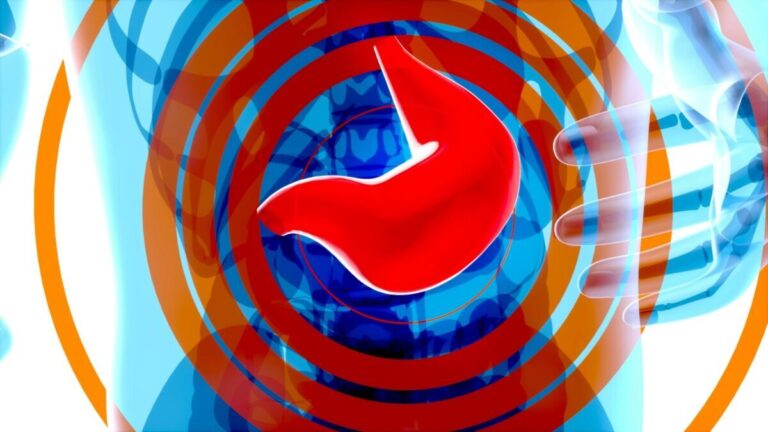
Many individuals report a knotted sensation in their midsection that mirrors the common indicators of nervous apprehension. This physical state often triggers a cascade of internal feedback loops between the digestive tract and the central control systems of the brain. The sensations arise from localized muscular tightness rather than a primary psychological origin.
The gut hosts a dense network of neurons known as the enteric nervous system. This complex web communicates directly with the brain through the vagus nerve. When tension develops here, it frequently produces physical reactions like rapid heart rate, shallow breathing, and localized pressure.
Symptoms of chronic gut tension misdiagnosed as anxiety occur because both conditions share overlapping pathways in the autonomic nervous system. The gut physically reacts to localized inflammation or muscular constriction, sending signals that the brain interprets as a state of distress. Distinguishing between these two states requires identifying if the physical sensation precedes the onset of mental uneess.
- Research by National Institutes of Health suggests the gut microbiome influences emotional regulation through the vagus nerve pathway.
- Data indicates that nearly 70 percent of nerve fibers in the vagus nerve are sensory, constantly relaying information from the digestive tract to the brain.
- Studies show that localized muscular contraction in the abdominal wall can increase cortisol markers by 15 percent, mimicking systemic stress responses.
Distinguishing Physiological Signals From Emotional Distress
Distinguishing between internal tension and emotional states involves observing the timing of physical shifts. True apprehension often starts with a thought or an external stressor. Gut focused tension often presents as an isolated physical tightness without a clear psychological trigger.
The following table provides a comparison of how these two states present in the body.
| Feature | Gut Tension | Emotional Anxiety |
|---|---|---|
| Trigger point | Localized abdominal region | Generalized mental state |
| Primary symptom | Visceral muscular tightness | Increased heart rate |
| Onset pattern | Occurs after meals | Occurs before events |
Practical Framework For Evaluating Symptoms Of Chronic Gut Tension Misdiagnosed As Anxiety
Identifying the root cause requires a systematic approach to self observation. Start by keeping a detailed log of when physical sensations occur during your day. Note if the discomfort happens after specific food intakes or during periods of physical inactivity.
Use this decision framework to categorize your experience.
- Record timing. Document if the tightness arrives during a quiet moment of rest or after a specific activity.
- Analyze food intake. Check if your dietary habits correlate with increased pressure in the lower abdominal area.
- Check posture. Observe if slouching at a desk for long periods contributes to a sensation of restriction in the midsection.
Consider the role of digestive health outcomes discussed in reports from federal agencies. Often, what feels like a nervous butterfly sensation is actually mild gas accumulation or muscular fatigue. Improving posture and slow chewing techniques can alleviate these signals significantly.
The Role Of The Vagus Nerve
The vagus nerve acts as a two way street for information. It carries signals from the belly to the brain and vice versa. When the gut feels restricted, the brain receives urgent messages that trigger a protective response.
This protective response is what many mistake for a general feeling of unease. You can influence this feedback loop by utilizing physical techniques like diaphragmatic breathing. This method manually engages the parasympathetic state to calm the nerve communication path.
Influence Of Dietary Habits On Internal Tension
What you ingest directly impacts the tone of your intestinal wall. Fermentable sugars or specific additives can cause expansion that feels remarkably similar to emotional pressure. Reducing these triggers can help clear the confusion between physical gut states and mental states.
Evidence from public health researchers confirms that dietary density plays a role in how we perceive internal body signals. Focusing on fiber balance and hydration supports steady gut motility. Stability in the digestive process minimizes the erratic signals sent to the brain.
Frequently Asked Questions
How can I tell if my gut tightness is physical?
Physical gut tension often remains confined to the abdominal cavity and persists even when you feel mentally calm. If the sensation does not respond to deep breathing or mindfulness exercises, it likely stems from a digestive or postural source rather than a mental one.
Keep a daily log of physical sensations and correlate them with your meals or physical movements. If the tension follows a pattern linked to your eating schedule, you can safely assume it is physiological. Consult a licensed healthcare provider before starting any new wellness routine.
Why does my stomach feel tight after eating?
Tightness after eating usually results from the digestive tract working to process nutrients. Rapid eating or high volume meals can cause distension that the brain interprets as a threat if the nerves in the gut wall are hypersensitive.
Try reducing your portion sizes and increasing your chewing time to lower the immediate burden on your digestive system. If the pressure decreases significantly, you have identified a manageable physical cause. Consult a licensed healthcare provider before starting any new wellness routine.
Can poor posture cause sensations that mimic anxiety?
Slouching compresses the abdominal cavity and restricts the natural movement of the diaphragm. This compression can lead to a feeling of breathlessness and internal restriction that mirrors the physical symptoms of a nervous state.
Adjusting your sitting position to keep your spine elongated allows for better diaphragmatic expansion. Many individuals find that simple physical realignment removes the sensation of internal pressure within minutes. Consult a licensed healthcare provider before starting any new wellness routine.
Are there common food triggers for this gut tension?
Certain foods generate higher levels of gas or require longer transit times through the intestinal tract. High sugar content and carbonated beverages are frequent culprits that lead to physical distension in the gut wall.
Focusing on whole foods and monitoring your reaction to specific ingredients will help you identify your personal triggers. Keeping the gut environment stable reduces the likelihood of sending distress signals to the brain. Consult a licensed healthcare provider before starting any new wellness routine.
Does exercise help with this specific type of tension?
Light movement like walking or gentle stretching encourages natural peristalsis in the digestive tract. This physical activity helps redistribute gas and reduces the muscular tightness that often gets misidentified as a psychological problem.
Even a ten minute walk after a meal can improve gut motility and decrease the sensation of fullness or pressure. Consistent movement acts as a regulator for the gut brain axis. Consult a licensed healthcare provider before starting any new wellness routine.
The Bottom Line
Symptoms of chronic gut tension misdiagnosed as anxiety are common outcomes of a busy, sedentary lifestyle. By distinguishing between emotional triggers and physical digestive sensations, you can take control of your well being. The body is a series of interconnected systems that often signal one another in ways we misinterpret.
Begin by tracking your daily physical sensations against your dietary and postural habits to identify the true source of your discomfort. Consult a licensed healthcare provider before starting any new wellness routine.
This information is for educational purposes only and is not intended for individuals with chronic medical conditions or those currently under the care of a physician. Never stop or change any medication without consulting the provider who recommended it. Consult a licensed healthcare provider before starting any new wellness routine.
Get Your FREE Natural Health Guide!
Subscribe now and receive our exclusive ebook packed with natural health tips, practical wellness advice, and easy lifestyle changes, delivered straight to your inbox.