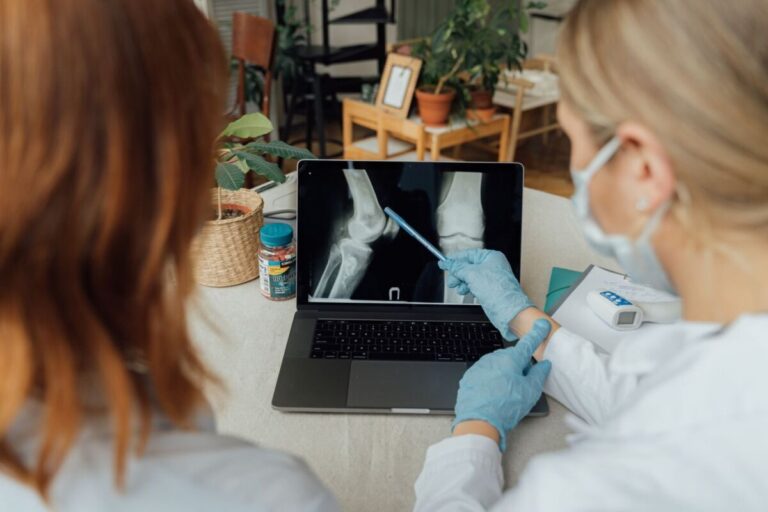

Practical Approaches For Naturally Neutralizing The Acidic Effect Of Caffeine On Bones
Morning coffee habits often carry a lingering concern regarding long term skeletal density. Many individuals wonder if their daily cup of coffee pulls minerals from their bones over time.
Research indicates that high consumption of caffeine can slightly alter calcium balance within the body. Addressing this intersection of daily habit and skeletal wellness requires a balanced perspective.
Simple Ways Naturally Neutralizing Caffeine Effects on Bones involve pairing coffee with calcium rich foods like yogurt or dark leafy greens. These additions provide the necessary mineral boost to offset minor losses caused by regular caffeine intake.
Key Takeaways
- Calcium absorption drops by approximately 6 milligrams for every 150 milligrams of caffeine consumed.
- Daily intake of 400 milligrams of caffeine is generally considered moderate for most healthy adults.
- Bone density studies suggest that adequate vitamin D levels often mitigate the negative impact of caffeine on skeletal structure.
Supporting Skeletal Wellness Through Balanced Nutrient Intake
Bone integrity depends on a complex interplay of nutrients and minerals. Caffeine can increase the amount of calcium excreted through urine but this process is often overstated in healthy populations.
The primary concern involves individuals who already consume low amounts of calcium. Focusing on nutrient density ensures that internal levels remain stable despite coffee consumption.
Data from the National Institutes of Health suggests that consistent calcium intake protects bone mineral density during the aging process.
Comparing Mineral Rich Dietary Pairings
| Food Source | Calcium Content | Recommended Serving |
|---|---|---|
| Fortified Soy Milk | 300 milligrams | One cup |
| Cooked Kale | 100 milligrams | One half cup |
| Greek Yogurt | 200 milligrams | Five ounces |
The Role Of Vitamin D In Mineral Retention
Vitamin D acts as a crucial regulator for calcium absorption in the gut. Without sufficient levels of this vitamin the body struggles to utilize the calcium found in dietary sources.
Spending time outdoors provides natural exposure that supports baseline vitamin D production. Diet also plays a part through sources like fatty fish or fortified cereals.
Guidance from the National Institutes of Health explains how essential nutrients work together to maintain structural health.
Practical Examples Of Balanced Coffee Consumption
Integrating these habits into a morning routine creates a buffer for skeletal health. Consider these actionable steps to balance your daily intake:
- Pairing with protein and calcium by consuming a breakfast of eggs and steamed spinach alongside coffee.
- Adding a splash of dairy or fortified plant based milk to coffee to replace any calcium lost during the morning hours.
- Timing your coffee away from specific calcium rich meals to ensure better digestion and nutrient uptake.
Lifestyle Factors Influencing Skeletal Density
Movement provides a necessary stimulus for bone tissue to remain strong and resilient. Weight bearing activities signal the body to maintain density levels effectively.
Research from the Centers for Disease Control and Prevention confirms that regular physical activity is a primary factor in preventing bone loss.
Consistency with exercise and a balanced diet outweighs the minor effects of any single beverage choice. Lifestyle choices form the foundation of long term physical wellness.
Frequently Asked Questions
Can cutting out coffee help my bones?
Removing coffee may eliminate a minor source of calcium loss for those with existing deficiencies. However for those who consume adequate calcium, the impact of coffee is generally negligible.
Focusing on a balanced diet rich in micronutrients provides a more sustainable approach to skeletal health than simply eliminating coffee. Most people can enjoy their beverage while maintaining strong bones through proper nutrition.
How much calcium do I need to offset coffee?
Experts generally suggest that replacing the small amount of calcium lost through coffee is easily accomplished with a balanced meal. A single serving of dairy or fortified alternatives covers the gap entirely.
The body maintains homeostasis effectively when supplied with varied whole food sources. Tracking daily intake ensures that you meet recommended levels for your age and activity level.
Are there better alternatives to coffee for bones?
Herbal teas or water serve as hydration options that do not influence mineral balance. These drinks offer a neutral choice for those who prefer to avoid caffeine entirely.
Choosing these alternatives is a personal preference rather than a medical necessity for most individuals. The key remains ensuring the total diet contains enough calcium and vitamin D throughout the day.
Should I take supplements for my bones?
Whole food sources provide the most bioavailability for calcium and other essential minerals. Supplements should only be used to fill gaps identified by a health professional.
Relying solely on pills ignores the complexity of how nutrients interact in a natural food matrix. Always prioritize colorful, nutrient dense plates before considering concentrated supplement forms.
How do I know if my bone health is at risk?
Individual risk depends on age, family history, and baseline nutrient levels rather than one specific beverage habit. Factors like protein intake and activity levels contribute to the overall picture.
Regular checkups allow for an assessment of bone mineral density using standard screening methods. Discussing these markers provides a clearer view of personal skeletal health status.
The Bottom Line
Simple Ways Naturally Neutralizing Caffeine Effects on Bones focus on overall nutritional quality and lifestyle consistency. By prioritizing calcium rich foods and regular physical activity, you create a robust environment for skeletal health.
Never stop or change any medication without consulting the provider who recommended it. Consult a licensed healthcare provider before starting any new wellness routine.
This information is for educational purposes only and is not intended for individuals with diagnosed osteoporosis or other severe bone conditions. Consult a licensed healthcare provider before starting any new wellness routine.
Get Your FREE Natural Health Guide!
Subscribe now and receive our exclusive ebook packed with natural health tips, practical wellness advice, and easy lifestyle changes, delivered straight to your inbox.