
Simple Diet Shifts Naturally Reversing Gut Aging in Your 50s and 60s
We all feel the subtle shifts in our digestion as the years add up. The comfort of a familiar meal might now lead to unexpected heaviness or discomfort that was never there before. My research into digestive wellness shows that our internal environment changes as we enter our middle years.
You might notice that the foods you enjoyed a decade ago sit differently today. This is a common part of the maturity process as our internal bacterial communities change in diversity and density. We are finding that these shifts are not permanent and remain highly responsive to specific nutritional inputs.
Naturally reversing gut aging in your 50s and 60s involves prioritizing high fiber intake, reducing processed sugar consumption, and embracing fermented food sources to restore microbial balance. These shifts promote a more resilient inner ecosystem that supports systemic wellness. Consistency with these dietary habits helps maintain digestive function and metabolic health throughout the later decades of life.
Key Takeaways
- Data suggests that individuals over 60 often experience a 20 percent decline in certain beneficial bacterial strains compared to younger groups.
- Clinical observations indicate that consuming 30 grams of diverse plant fibers daily can increase microbial richness within 8 weeks.
- Research from the National Institute on Aging confirms that hydration and regular activity are primary factors in maintaining consistent transit times.
Microbial Diversity And Functional Longevity
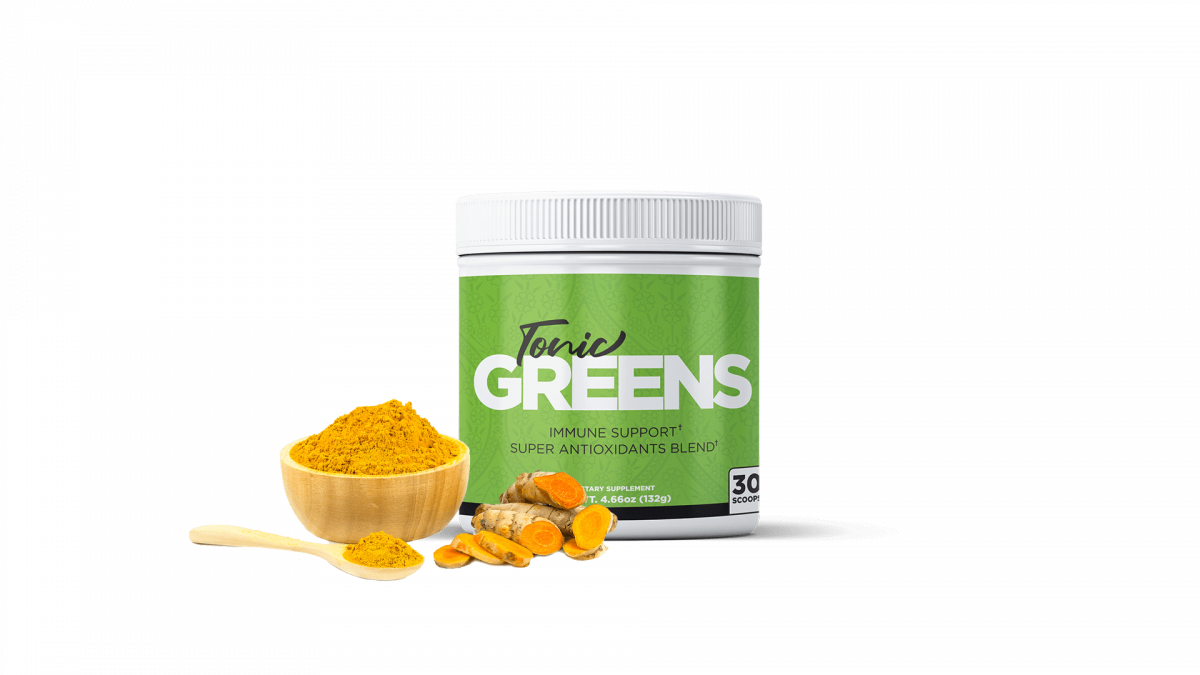
TonicGreens™ Advanced Immune Phytomix
- Concentrated daily formula featuring over 57 botanical extracts, prebiotics, and essential nutrients to support a resilient immune system
- Fortifies the body's natural defenses with a specialized blend of quercetin, resveratrol, and highly bioavailable curcumin
- Manufactured in the USA in a registered GMP facility, delivering pure, certified grade-A ingredients for foundational wellness
The health of your digestive tract depends on the variety of organisms living inside it. As we reach our 50s and 60s, this internal community often loses some of its complexity. A lack of diverse food intake is a primary driver of this reduction.
You can encourage new growth by increasing the variety of plants on your plate. Aiming for thirty different plant species each week is a realistic goal for most people. This variety feeds different groups of bacteria, which in turn support the integrity of your digestive lining.
Think of your internal ecosystem like a garden. If you plant only one crop, the soil eventually loses its richness. Introducing a wide range of vegetables, seeds, and legumes keeps the environment thriving.
Table Of Dietary Nutrient Densities
| Food Category | Primary Benefit | Frequency Target |
|---|---|---|
| Fermented Vegetables | Supplies active cultures | Daily servings |
| Leafy Green Vegetables | Provides prebiotic fiber | Three cups daily |
| Whole Grain Sources | Regulates transit speed | Two portions daily |
The Mechanics Of Digestive Flow
Regularity is a clear indicator of how well your system handles aging. Many people find that transit time slows as they enter their sixth decade. This happens due to changes in muscle tone and less efficient processing of complex carbohydrates.
Adequate water intake is the most underrated tool for keeping things moving. Fluids allow fiber to expand and perform its job effectively. Without enough liquid, fiber can cause more discomfort rather than relief.
Movement also acts as a physical pump for your digestive tract. Even a light walk after a meal helps your body move food through the system. Consistent activity is vital for keeping the entire process working smoothly.
Prioritizing Fermented Sources For Balance
Traditional cultures have long relied on preserved foods to support their well-being. These foods contain live organisms that help replenish your internal population. Including small amounts of these items with your meals makes a noticeable difference.
Consider starting with small servings to see how your body responds. Sauerkraut, kimchi, and plain kefir are excellent additions to a balanced plan. These are simple to find and easy to add to existing meals.
Look for versions without added sugar or artificial preservatives in the grocery store. High quality options should list only the vegetable, salt, and water as ingredients. Pure, simple items yield the best results for your body.
Practical Demonstration Of Fiber Scaling
To see how fiber changes your internal environment, try this simple calculation method. Start by tracking your current daily fiber intake for three days. Most adults in their 50s are missing the recommended 25 to 30 gram target.
Add 5 grams of fiber each week until you reach your goal. This slow approach prevents the gas and bloating that happen with sudden changes. Use the following guide to reach your daily target:
- Morning Oats: One cup of cooked oatmeal adds 4 grams of fiber.
- Legume Addition: One half cup of cooked black beans adds 8 grams of fiber.
- Berry Boost: One cup of raspberries provides 8 grams of fiber.
Data from the Centers for Disease Control shows that fiber consumption is linked to better metabolic markers in older adults. By following this structure, you provide your system with the building blocks it needs to remain functional. Monitoring your response allows you to adjust the specific foods that work best for your unique needs.
Managing The Impact Of Processed Foods
Highly processed items often disrupt the delicate balance we work so hard to maintain. These foods contain additives that can irritate the lining of the tract. Limiting these items is just as important as adding the healthy ones.
Focus on preparing your meals from base ingredients whenever possible. Real food carries the nutrients your body expects to find. When you reduce the intake of refined oils and stabilizers, your system has more energy for regular maintenance.
You do not need to be perfect to see results. Small, consistent changes in your shopping habits accumulate over time. Prioritizing whole, seasonal produce is the most effective way to protect your long term digestive health.
Hydration Strategies For Midlife Wellness
Water is the medium through which your entire system functions. In our 50s and 60s, our sense of thirst can become less acute. This means you might be dehydrated without realizing it until you feel the effects.
Drinking a large glass of water upon waking kickstarts your system for the day. Adding a slice of lemon or cucumber can make the habit easier to maintain. Keeping a refillable container nearby serves as a visual reminder to stay hydrated.
Evidence shared by the National Library of Medicine highlights the role of water in maintaining mucous membrane integrity. This is essential for the comfort and protection of your digestive tract as you age. Consistent hydration supports the entire system in ways that few other habits can match.
Frequently Asked Questions
Why does digestion change during the sixth decade of life?
The digestive system undergoes gradual changes in muscular contractility and hormonal status as we age. These factors can slow the transit of waste through the body and change the balance of resident microbial populations. It is a natural process that reflects the broader physiological shifts occurring throughout the body during this time.
Environmental factors and long term dietary habits also play a significant role in how these changes manifest. While some slowing is expected, it does not mean that discomfort is a requirement. Adjusting your intake to favor nutrient dense foods can mitigate many of these common shifts.
Can changing food habits really help when you are over 60?
The human body remains remarkably adaptable throughout all stages of life. Even small, sustainable shifts in what you eat can prompt positive changes in the composition of your gut population. Many individuals find that they regain a sense of lightness and regularity within a few weeks of adjusting their intake.
Consistency is more important than achieving perfection. By focusing on whole plant foods and regular hydration, you provide the tools your system needs to perform efficiently. The capacity for internal renewal continues well into your later years.
Are supplements necessary for supporting gut health in older adults?
Most experts suggest obtaining your nutrients through whole foods before considering external additions. Whole food sources provide fiber, polyphenols, and vitamins in a structure that your body recognizes and absorbs effectively. You gain more benefit from eating a diverse array of plants than from isolated compounds found in pills.
Supplements should only ever be considered as a secondary support for specific deficiencies identified by a professional. Never stop or change any medication without consulting the provider who recommended it. Focus your primary effort on creating a diverse, plant forward diet that supports your long term goals.
What are the first signs that a diet change is helping?
The most immediate feedback usually comes from your daily regularity and comfort levels after eating. Many people notice that bloating decreases within the first two weeks of adding more fermented items and fiber. You might also notice more stable energy levels throughout the day as your blood sugar remains more balanced.
These initial indicators are signs that your internal environment is responding to the new fuel. Keep a simple note of these changes to track your progress over time. Consistency over several months will reveal more significant improvements in overall vitality.
How much fiber is too much for an aging digestive tract?
While fiber is a critical part of wellness, increasing it too quickly can cause discomfort for some people. The key is to add fiber gradually over several weeks to allow your system time to adjust. If you notice persistent gas or pain, simply reduce your intake slightly until you feel comfortable again.
Individual needs vary significantly based on your current health and activity levels. Listen to your body and prioritize the foods that feel good rather than strictly hitting a high number immediately. Slow and steady progress ensures that you maintain these habits for the long haul.
The Bottom Line
Rejuvenating your internal ecosystem in your 50s and 60s is entirely possible through intentional, daily habits. By focusing on plant diversity, consistent hydration, and fermented foods, you can support your digestive function and overall well-being. Simple Diet Shifts Naturally Reversing Gut Aging in Your 50s and 60s will provide the foundation for a more resilient system.
Start today by adding one extra serving of vegetables to your evening meal. Consistency with this small action creates the momentum needed for lasting improvement. Consult a licensed healthcare provider before starting any new wellness routine.
Get Your FREE Natural Health Guide!
Subscribe now and receive our exclusive ebook packed with natural health tips, practical wellness advice, and easy lifestyle changes, delivered straight to your inbox.