Understanding How Signs Of Subclinical Neurovascular Stiffness Impact Daily Vitality
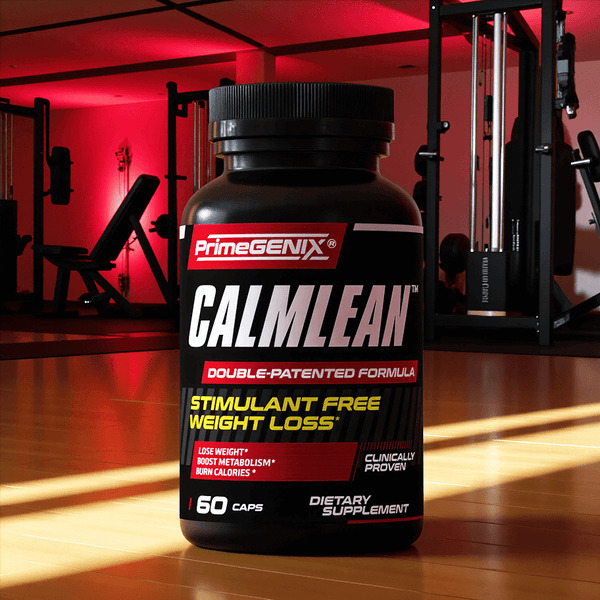
CalmLean™ Stimulant-Free Metabolism Support
- Engineered with ForsLean® to support metabolic baseline without caffeine
- 100% stimulant-free formulation avoids energy crashes and jitters
- Manufactured in a cGMP-compliant, FDA-registered facility
We often wake up feeling like our internal machinery is dragging, struggling to shift gears before the morning coffee even kicks in. It feels as if a heavy fog settles behind the eyes, making every mental task take twice as much effort as it should. This isn’t just about needing more rest; it points toward how the delicate vessels feeding our cognition manage blood flow throughout the day.
Research suggests that subtle changes in the flexibility of these pathways often dictate how efficiently our brains receive the fuel required for sustained focus. When these channels lose their natural suppleness, the brain struggles to maintain high levels of output, leaving us feeling drained and mentally slow. Addressing these Subtle Brain Artery Stiffness and Your Daily Energy Levels involves looking closely at how our daily habits protect or compromise the resilience of our delicate vascular systems.
Signs of subclinical neurovascular stiffness are subtle physical cues like mid day mental fatigue, persistent brain fog, and reduced focus that suggest our brain blood vessels are losing elasticity. These indicators often appear long before more serious issues emerge, acting as a quiet signal from the body to adjust nutritional and lifestyle inputs. Paying attention to these early warnings allows individuals to support long term vascular health through targeted dietary choices and consistent physical movement.
Key Takeaways
- Studies from the National Institutes of Health indicate that arterial compliance decreases by approximately 1 percent annually in aging adults.
- Consistent aerobic exercise can improve vascular wall flexibility by reducing systemic inflammation markers by up to 20 percent over a six month period.
- Data shows that diets rich in nitrate dense vegetables can lower blood pressure readings by an average of 5 to 10 millimeters of mercury.
Factors Driving Vascular Resilience And Flexibility
The health of our inner plumbing relies on the integrity of the endothelium, the thin layer of cells lining our arteries. When this lining stays healthy, it releases nitric oxide to keep vessels relaxed and responsive. Lifestyle factors that support this process help prevent the hardening that limits nutrient delivery to the brain.
Chronic inflammation acts as the primary enemy of vessel suppleness. High levels of sugar and processed oils in the diet force the body into a state of constant repair, which eventually thickens the vessel walls. By focusing on whole foods, we provide the raw materials necessary to maintain smooth, flexible pathways.
Physical movement serves as another pillar of vascular health. When we engage in sustained activity, the pulse wave generated by our heart stretches the arterial walls in a healthy way. This repetitive motion keeps the tissues pliable and encourages efficient blood circulation to every part of the cranium.
Mapping The Indicators Of Vascular Health
| Metric | Optimal State | Warning Sign |
|---|---|---|
| Mental Clarity | Consistent focus | Afternoon brain fog |
| Vessel Flexibility | High compliance | Arterial stiffening |
| Inflammation | Low baseline | Elevated markers |
Demonstrating The Flow Of Cognitive Energy
Think of the brain as a high demand engine that requires a constant supply of oxygen and glucose. If the delivery pipes are narrow or stiff, the engine must work harder to get what it needs. We can estimate our vascular efficiency by tracking how long we can maintain intense focus without needing a break.
If you find that your cognitive endurance lasts only 45 minutes before you feel a significant dip in performance, your vascular supply might be reaching its limit. Try the following adjustment to see if your stamina changes over time.
- Increase Nitrate Intake: Consume two servings of arugula or beets daily for two weeks to support natural nitric oxide production.
- Prioritize Hydration: Aim for 30 milliliters of water per kilogram of body weight to keep blood volume at levels that support easy flow.
- Introduce Interval Walking: Include three sessions of 20 minute brisk walks per week to force consistent pulses through your arterial system.
Documenting these metrics helps you identify which interventions work best for your unique biology. Small adjustments often yield the most significant changes in how you perceive your own energy throughout the afternoon. Research published by the CDC notes that lifestyle shifts remain the most effective way to manage long term cardiovascular outcomes.
Nutritional Foundations For Supple Arteries
The foods we choose provide the structural components for our vessel health. Anti inflammatory fats are essential for the integrity of our cell membranes. Consuming foods high in omega three fatty acids, such as walnuts or chia seeds, helps calm the system and keeps the vessels receptive to blood flow signals.
Antioxidants found in colorful produce act as protectors against damage to the delicate inner lining of our arteries. Blueberries, red grapes, and dark leafy greens contain compounds that neutralize free radicals before they cause harm. Incorporating these items into daily meals provides a reliable shield for your long term cognitive function.
Avoiding excessive sodium is equally important for maintaining healthy pressure within the system. High salt intake leads to water retention, which puts unnecessary strain on vessel walls. Opting for herbs and spices like garlic and turmeric adds flavor while providing extra support for vascular relaxation.
Monitoring Environmental And Lifestyle Stressors
Emotional stress triggers the release of cortisol, which directly impacts blood flow and arterial tension. When we remain in a state of high alert, our vessels contract to prepare for a fight or flight response. Learning to regulate this stress through deep breathing or meditation prevents the long term hardening of our circulatory tissues.
Sleep quality dictates the state of our vascular system more than many realize. During deep sleep, the brain undergoes a cleansing process that relies on steady blood flow and clear pathways. If you wake up feeling unrefreshed, your vessels may have remained constricted throughout the night due to poor sleep quality.
Exposure to environmental toxins also plays a role in how our vessels function. Reducing our use of plastic containers and choosing filtered water lowers the load on our internal systems. These choices ensure that our bodies can focus on maintenance rather than detoxification.
The Role Of Modern Research In Vascular Health
Scientists continue to study how microscopic changes in vessel elasticity affect daily performance. Findings from the University of California highlight the importance of metabolic balance in keeping our pipes clear. We are learning that the brain is not an isolated organ but one that depends entirely on the condition of the vessels that feed it.
New imaging techniques allow researchers to see how exercise improves the diameter of small brain vessels. This visual evidence confirms that we have more control over our vascular health than once thought possible. By keeping our systems active, we encourage the body to keep these channels open and responsive.
Understanding these processes moves us away from feeling helpless about our aging bodies. Instead, we see our health as a dynamic system that responds to every decision we make. Consistency in our routines builds the foundation for long term mental sharpness and energy.
Frequently Asked Questions
How does physical exercise directly influence brain vessel health?
Physical movement encourages the release of signaling molecules that keep arterial walls flexible and relaxed. When the heart pumps faster during activity, it creates a pulsing effect that stretches the vessels in a gentle manner, which keeps the tissues pliable.
This regular stretching prevents the buildup of stiffness that occurs when we remain sedentary for long periods. Over time, this habit ensures that the pathways remain open for the continuous supply of oxygen and nutrients to the brain.
Are there specific dietary choices that hinder vessel flexibility?
Diets high in processed sugars and refined vegetable oils are known to trigger systemic inflammation, which can degrade the delicate inner lining of your arteries. When this lining becomes damaged, the vessels lose their ability to signal for relaxation, leading to a state of constant tension.
Consistently consuming high levels of these ingredients forces the body to prioritize repair over maintenance. Limiting such foods allows the body to focus its energy on keeping the circulatory system flexible and efficient.
Can early signs of vascular stiffness be reversed through habit changes?
The body possesses a remarkable ability to adapt when provided with the right inputs. By reducing inflammation, increasing daily movement, and focusing on nutrient dense foods, many individuals find that their energy levels and mental focus improve noticeably.
While reversing structural changes can take time, the functional improvements in how you feel occur much sooner. Consistent adherence to a balanced lifestyle is the most effective way to support your vascular system over the long term.
How does mental stress affect the physical state of the arteries?
When you encounter stress, your body releases hormones like cortisol and adrenaline to prepare for immediate action. These hormones cause the muscles surrounding your vessels to tighten, which naturally narrows the diameter of the arteries to redirect blood flow.
While this is useful in short bursts, chronic stress means your vessels remain in this state of constriction for too long. Over time, this lack of relaxation can lead to a decrease in the natural elasticity of the arterial walls.
What is the link between hydration and cognitive output?
Proper hydration is essential for maintaining the correct blood volume required for efficient circulation. When you are dehydrated, the blood becomes slightly more viscous, which increases the pressure required for the heart to move it through the fine vessels in the brain.
This added resistance can make you feel fatigued and mentally slow as the brain struggles to receive an adequate supply of oxygen. Maintaining consistent water intake helps keep the blood flowing easily and supports sustained cognitive endurance throughout the day.
The Bottom Line
Understanding Subtle Brain Artery Stiffness and Your Daily Energy Levels is about recognizing the physical signals your body sends when it needs more support. By prioritizing anti-inflammatory nutrition, consistent movement, and effective stress management, you can maintain the flexibility of your vascular system for years to come.
Start today by identifying one habit you can shift to better support your circulatory health, such as adding a serving of leafy greens to your lunch. Monitor how your focus and energy levels change over the next two weeks. Never stop or change any medication without consulting the provider who recommended it.
Individuals with existing cardiovascular diagnoses or those currently under the care of a specialist for blood pressure concerns should prioritize professional guidance. Consult a licensed healthcare provider before starting any new wellness routine.
Get Your FREE Natural Health Guide!
Subscribe now and receive our exclusive ebook packed with natural health tips, practical wellness advice, and easy lifestyle changes, delivered straight to your inbox.