Why Artificial Sweeteners Are The Hidden Bladder Irritant For Sensitive Individuals
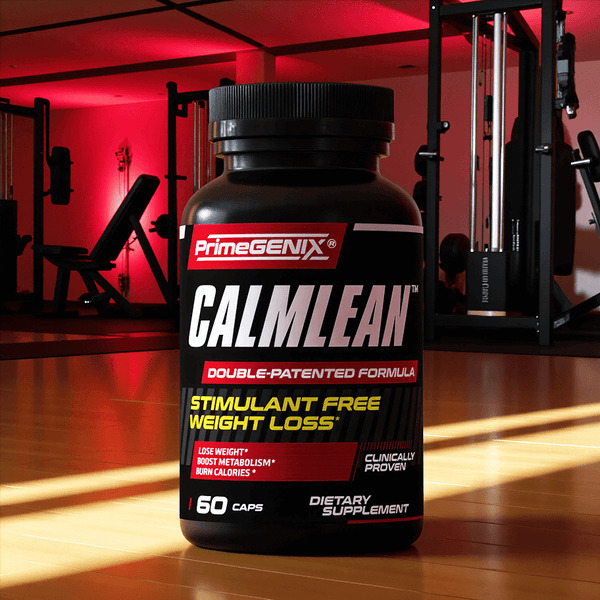
CalmLean™ Stimulant-Free Metabolism Support
- Engineered with ForsLean® to support metabolic baseline without caffeine
- 100% stimulant-free formulation avoids energy crashes and jitters
- Manufactured in a cGMP-compliant, FDA-registered facility
Many of us reach for a diet soda or a sugar free yogurt with the best intentions. We assume that skipping sucrose helps our waistlines and avoids the heavy toll of traditional sweets. Yet, a subtle, nagging discomfort often lingers long after the last sip or bite is gone.
It feels like a persistent internal signal that demands attention throughout the day. This sensation often goes unnoticed until we start connecting the dots between our afternoon snack and our frequency of bathroom visits. The cycle of discomfort creates a frustrating pattern that keeps us guessing about our own wellness triggers.
Artificial sweeteners are a hidden bladder irritant because their chemical structure can trigger sensory cells within the urinary tract. These compounds often pass through the kidneys in high concentrations, where they interact with the lining of the bladder. This interaction can cause a localized inflammatory response that leads to urgency and increased frequency.
Key Takeaways
- Chemical Sensitivity: Research indicates that up to 30 percent of individuals with sensitive bladders report symptoms after consuming specific non-nutritive additives.
- Concentration Levels: The concentration of synthetic compounds in urine can reach levels high enough to irritate the urothelium within 60 minutes of ingestion.
- Urgency Thresholds: Studies show that bladder pressure increases significantly when synthetic molecules bind to sensory receptors located in the bladder wall.
Understanding The Sensory Connection Within The Urinary Tract
The urinary tract is far more complex than a simple drainage system. It contains a delicate layer of cells called the urothelium that protects deeper tissues. When we introduce foreign chemical substances, these cells act as sentries that perceive potential threats.
Most of us treat the bladder as a passive vessel. In reality, it hosts a network of sensory nerves that respond to pH changes and chemical concentrations. When synthetic molecules arrive, the nerves may misinterpret these compounds as irritants. Research from the National Institute of Diabetes and Digestive and Kidney Diseases underscores how nerve sensitivity dictates our overall comfort.
This misinterpretation leads to a reflexive contraction of the bladder muscle. The brain receives a signal that the bladder is full, even when it is not. This process explains why so many people feel a phantom need to visit the restroom after consuming diet beverages.
Common Culprits Found In Modern Grocery Aisles
We often scan labels for calories but rarely consider how ingredients behave once they enter the bloodstream. Certain molecules are notorious for their lack of compatibility with sensitive tissues. Identifying these components remains the first step in regaining control over your daily comfort.
- Aspartame: This widely used compound frequently appears in sodas and gum. Its degradation products can remain active in the urinary system for hours.
- Sucralose: While stable during baking, this molecule is not fully broken down by the body. It exits through the kidneys, which brings it into direct contact with the bladder lining.
- Acesulfame Potassium: This additive remains highly stable and is excreted rapidly. The high transit speed does not prevent it from interacting with the sensitive tissues of the lower urinary tract.
Comparative Analysis Of Bladder Irritants
| Additive Type | Absorption Rate | Irritation Risk |
| Synthetic Aspartame | Very Fast | High Risk |
| Modified Sucralose | Moderate Speed | Moderate Risk |
| Natural Stevia | Slower Rate | Low Risk |
The Mathematics Of Daily Consumption
Precision matters when you analyze your daily intake of additives. Let us look at a simple calculation to understand how consumption volume dictates your comfort level. If you consume one 12-ounce diet soda containing 200 milligrams of synthetic sweetener, you are introducing a concentrated chemical load to your bladder.
If you drink three such sodas per day, you reach 600 milligrams of direct exposure. This volume often exceeds the threshold that a healthy bladder can manage without showing signs of stress. Medical data from the National Library of Medicine explains the importance of fluid balance and internal chemistry in managing normal function.
To reduce your exposure, start by subtracting one soda from your daily total. Replace that volume with plain filtered water for one week. Observe if your urgency levels decline during this transition period. Small adjustments often yield the most significant changes in your daily quality of life.
Practical Steps For Reducing Chemical Exposure
Taking control of your environment requires a shift in how you shop. Labels often disguise additives under collective terms or scientific names. Being a vigilant reader will save you from accidental intake.
- Prioritize Whole Foods: Stick to single ingredient items like fruit or plain nuts. This habit eliminates the risk of hidden synthetic additives.
- Monitor Your Responses: Keep a journal for one week noting what you drink and when you feel urgency. Patterns will emerge quickly once you start tracking your habits.
- Choose Natural Options: Look for beverages sweetened with small amounts of fruit juice or nothing at all. Transitioning to sparkling water with fresh lemon offers a refreshing change.
Lifestyle Adjustments And Dietary Synergies
Your bladder health depends on more than just removing irritants. Hydration plays a critical role in diluting the chemicals that reach your urinary tract. Drinking sufficient water ensures that any substances passing through your system are less concentrated.
Certain foods can also act as buffers for your bladder lining. Including fiber rich vegetables supports digestive regularity. This reduces pressure on the pelvic area and helps maintain healthy function across all abdominal systems. Clinical research from the National Center for Biotechnology Information highlights how overall dietary quality influences lower body comfort.
Focus on a balanced intake of electrolytes as well. Sodium levels influence how quickly your body processes fluid. Keep your intake consistent to avoid sudden spikes in bladder activity throughout the day.
Frequently Asked Questions
Can switching to natural sweeteners solve my bladder discomfort?
Switching to natural sweeteners like stevia or monk fruit often helps, as these are processed differently than synthetic lab-made compounds. However, individual sensitivities vary greatly, and some people remain reactive to any concentrated sweetening agent.
The best approach involves a short period of avoiding all sweeteners to establish a baseline. Slowly reintroduce one type at a time to see which ones your body tolerates well. This method removes the guesswork from your daily routine.
How long does it take for these chemicals to leave my system?
The time it takes for synthetic additives to clear the urinary tract depends on your hydration level and kidney function. In many cases, the compounds begin to exit the system within a few hours of consumption.
If you notice persistent discomfort, increasing your water intake helps flush these substances more efficiently. Staying consistent with hydration is the most effective way to shorten the duration of any potential irritation. Consistent water habits provide the best support for your bladder.
Are there specific times of day when these additives affect me more?
Many individuals report heightened sensitivity during the late afternoon or evening hours. This often correlates with the cumulative effect of consuming multiple servings of sweetened beverages throughout the workday.
Your bladder capacity naturally fluctuates, and evening fatigue can make you more aware of minor physical sensations. Monitoring your intake during these peak hours allows you to manage your comfort more effectively. Tracking when you consume these items is essential for identifying your own triggers.
Could other factors besides sweeteners be causing my symptoms?
Several other variables can influence bladder frequency, including caffeine, acidic fruits, and even high levels of stress. Many people mistake the effects of coffee or citrus for a reaction to sweeteners.
It is helpful to analyze your entire diet rather than just one component. Removing sweeteners is a great starting point, but consider your intake of common acidic foods as well. Holistic monitoring provides the most accurate view of your health.
Is it possible to develop a tolerance to these irritants?
There is no evidence to suggest that the bladder builds a tolerance to synthetic irritants over time. If a substance causes an issue today, it is likely to cause the same issue whenever you consume it.
Repeated exposure simply keeps the irritation cycle active and may lead to ongoing frustration. The most reliable path to comfort involves consistent avoidance of known triggers. You can maintain better health by choosing ingredients that your body accepts easily.
The Bottom Line
Artificial sweeteners are a hidden bladder irritant that many people overlook when managing their daily wellness. By identifying the specific compounds in your diet and monitoring your reactions, you can regain control over your comfort levels.
Observe your intake of diet beverages and processed snacks for one week to identify potential triggers. Replace these items with water or natural alternatives to see if your urgency decreases. Consult a licensed healthcare provider before starting any new wellness routine.
Neither this article nor any information contained herein should be taken as medical advice. Never stop or change any medication without consulting the provider who recommended it.
Get Your FREE Natural Health Guide!
Subscribe now and receive our exclusive ebook packed with natural health tips, practical wellness advice, and easy lifestyle changes, delivered straight to your inbox.