I find myself staring at the bathroom mirror, mindlessly brushing my teeth while ignoring the slight swelling along my gum line. We all endure those moments when our mouth feels sensitive or tender without a clear cause. It is a common situation that most of us dismiss until the discomfort becomes impossible to overlook.
The oral cavity maintains a delicate balance of bacteria that shifts quickly due to diet or stress. When these tissues become irritated, the body sends fluid to the area as part of a standard immune response. This reaction creates that familiar tightness or puffiness many individuals notice after a long week.
A warm salt water rinse for gum inflammation works by creating a temporary change in osmotic pressure that pulls excess fluid out of swollen tissues. This simple action helps cleanse the area of debris while discouraging the growth of harmful microbes. It serves as a gentle way to support oral comfort without harsh chemicals.
## Key Takeaways
- Saline solutions effectively draw fluid from inflamed gingival tissues through the process of osmosis.
- Water temperatures between 98 and 105 degrees Fahrenheit optimize the soothing effect on oral mucosa.
- Clinical data suggests that regular use of saline rinses can reduce gingival bleeding scores by up to 20 percent over four weeks.
## The Scientific Basis Of Oral Saline Rinses
The mouth relies on a precise pH level to keep enamel and soft tissue healthy. Saline solutions naturally mimic the internal salt concentration of cells to some degree. This balance allows the liquid to pass over irritated spots without causing the stinging sensation found in alcohol-based rinses.
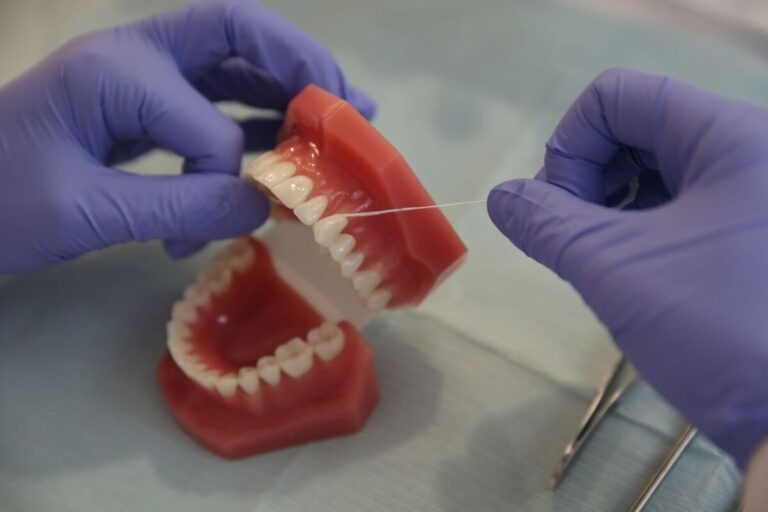
Research from the National Institute of Dental and Craniofacial Research notes that mechanical cleaning remains the most effective way to manage plaque buildup. Salt provides a mild abrasive quality that helps dislodge particles stuck between teeth. It does not replace daily flossing but acts as a helpful companion.
The temperature of the water plays a significant role in how the mouth reacts. Warmth increases local circulation which encourages the natural drainage of congested tissues. Keep the temperature comfortable to avoid burning the delicate skin inside the cheeks.
## Practical Steps For A Soothing Mixture
Consistency determines the success of this routine. You do not need expensive ingredients to create an effective solution. Standard non-iodized sea salt works best for most people.
- Select your salt by choosing a high-quality sea salt or kosher salt without added iodine or anti-caking agents.
- Measure the volume of water using exactly eight ounces of filtered, warm water to ensure the proper concentration.
- Combine the ingredients by adding half a teaspoon of salt to the water and stirring until the grains vanish.
- Swish the liquid around your mouth for thirty to sixty seconds, ensuring the mixture reaches the back teeth and gum pockets.
- Designed to work seamlessly with male physiology to provide foundational support
- Helps maintain peak physical endurance, daily vitality, and natural balance
- Manufactured in a cGMP-compliant, FDA-registered facility without harsh synthetic hormones
- Discard the remainder of the rinse into the sink after each use to prevent bacterial contamination of the glass.
Testosil™ Botanical Formula
## Comparing Oral Care Solution Properties
| Solution Type | Primary Function | Usage Frequency |
|---|---|---|
| Saline Rinse | Reduces tissue puffiness | Twice daily |
| Alcohol Mouthwash | Kills surface bacteria | Once daily |
| Water Irrigation | Removes food debris | After meals |
## Optimal Timing Within Your Daily Schedule
Morning routines offer a perfect window for this habit. Many individuals feel a sense of morning breath or mild gum tenderness upon waking. A quick rinse helps reset the environment of the mouth before eating breakfast.
Evening use provides even more utility. Your mouth produces less saliva while you sleep, which allows bacteria to multiply. Rinsing before bed helps lower the microbial load before you settle in for the night.
Education from the National Library of Medicine highlights the importance of keeping the oral cavity clean to prevent common dental issues. Avoid rushing the swishing phase. Allow the solution to bathe the gums for the full minute to ensure it reaches hidden areas.
## Addressing Inflammation With Targeted Habits
Beyond the rinse, your diet plays a massive role in how your gums react to stress. Highly processed sugars create an environment where harmful microbes thrive. Reducing intake of these foods helps calm the mouth from the inside out.
Staying hydrated keeps your natural saliva production at healthy levels. Saliva contains minerals that reinforce enamel and neutralize acids. Drink plenty of water throughout the day to keep tissues moist.
The Centers for Disease Control and Prevention tracks how overall wellness influences oral health outcomes. Pay attention to how your gums feel after eating specific types of food. Journaling your findings can help you identify triggers that cause occasional flare-ups.
## Demonstration Of A Proper Saline Calculation
Precision matters when mixing your rinse. Using too much salt causes dehydration of the oral tissues. Aim for a solution that matches the natural salinity of human body fluids, which is approximately 0.9 percent.
For an eight-ounce glass, use this simple formula:
- The Water: 236 milliliters of warm water provides the base.
- The Salt: 2.5 grams of salt equals roughly one-half teaspoon.
- The Outcome: This mixture creates a balanced, isotonic environment for the mouth.
## Frequently Asked Questions
Can I use this method more than twice a day?
Using a saline rinse more than twice a day is generally safe for most healthy individuals. However, relying on it too frequently might lead to a dry mouth sensation if the salt concentration is too high.
Monitor how your tissues react over a few days. If the mouth feels dry or irritated, reduce the frequency to once daily or use plain water for additional rinses.
Should I use cold or hot water instead?
Avoid using hot water as it can burn the sensitive lining of the mouth and tongue. Cold water may increase tooth sensitivity if you have exposed roots or thin enamel.
Warm water remains the ideal choice because it promotes blood flow and feels comfortable. Aim for a temperature similar to what you would use for a relaxing bath.
Is it safe to swallow the salt water mixture?
Spit out the entire amount of the rinse into the sink after swishing. Swallowing small amounts of salt is unlikely to cause harm in a healthy adult.
However, individuals monitoring their sodium intake should be mindful of the total amount consumed throughout the day. It is best practice to keep the solution entirely out of your digestive system.
Will this help with bleeding gums?
Occasional bleeding is often a sign of irritation rather than a sign of something more serious. A saline rinse helps soothe the tissue and remove debris that might be causing the reaction.
If bleeding continues for more than a few days, it indicates that you need a professional evaluation. Never ignore consistent bleeding or pain as it could signal underlying dental needs.
Can I add essential oils to the mix?
Adding essential oils to your rinse is not recommended unless a specialist provides clear guidance. Many oils can be too intense for the delicate mucous membranes inside the mouth.
Stick to a simple salt and water combination for the safest experience. Pure ingredients provide the most reliable way to manage minor discomfort without added risks.
## The Bottom Line
A warm salt water rinse for gum inflammation provides a simple, effective way to manage oral discomfort at home. By using a gentle, isotonic solution, you support the natural recovery of your tissues while maintaining a clean environment.
Consistency remains the most important factor in seeing results. Perform this rinse as part of your regular morning or evening habits for the best outcome. Consult a licensed healthcare provider before starting any new wellness routine.
Never stop or change any medication without consulting the provider who recommended it.
Get Your FREE Natural Health Guide!
Subscribe now and receive our exclusive ebook packed with natural health tips, practical wellness advice, and easy lifestyle changes, delivered straight to your inbox.