The Collective Experience of Managing Sensitivity and How to Naturally Stabilize Mast Cells to Reduce Swelling
We often find ourselves navigating a world that seems to trigger unexpected physical reactions. Many individuals notice lingering puffiness, skin redness, or sudden waves of discomfort without an obvious cause. These experiences often feel isolating, yet they are part of a shared human struggle to maintain balance in a reactive environment.
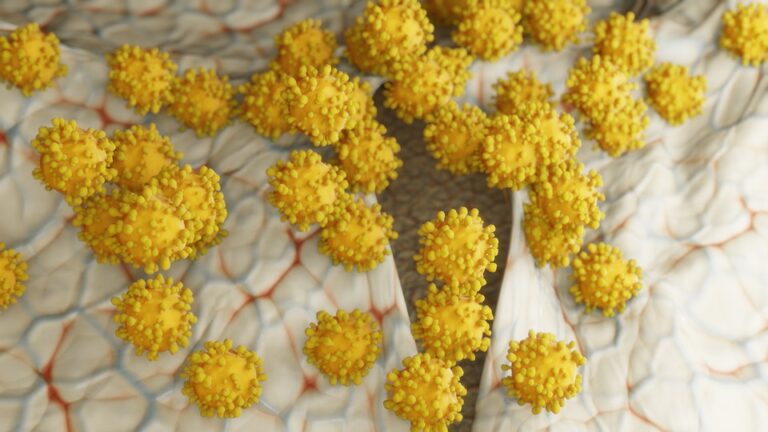
The cells in our body responsible for our immune surveillance sometimes become overzealous. When these specific immune sentinels discharge their stored compounds too frequently, the result is persistent irritation and inflammation. Understanding the rhythm of these cells allows for a more proactive approach to comfort.
You can manage this reactivity by focusing on nutrient-dense dietary choices and specific lifestyle habits that keep these immune cells quiet. Avoiding common high-histamine triggers and incorporating natural stabilizers creates a calmer internal environment. These consistent adjustments help lower the overall burden of inflammation on the body.
Key Takeaways
- Cellular Sensitivity: Roughly 15 to 20 percent of the population reports heightened sensitivity to environmental factors that trigger cellular degranulation.
- Nutrient Impact: Research from the National Institute of Environmental Health Sciences demonstrates how targeted compounds regulate immune activity.
- Inflammatory Markers: Stabilization requires consistent intake of quercetin, vitamin C, and DAO-supporting minerals to manage circulating inflammatory molecules.
Nutritional Foundations for Cellular Calm
Diet remains the most effective tool for influencing the behavior of immune cells. Certain foods naturally inhibit the release of inflammatory chemicals. Emphasizing fresh, whole foods helps avoid the accumulation of problematic biogenic amines.
- Low-Histamine Produce: Fresh vegetables like kale, broccoli, and zucchini act as foundational blocks for a stable internal environment.
- Natural Stabilizers: Foods rich in quercetin, such as red onions and apples, serve as non-pharmacological support for cellular integrity.
- Hydration Habits: Adequate water intake supports the lymphatic system in clearing out metabolites that keep immune cells in a state of high alert.
Avoiding processed snacks prevents the spikes in reactivity that often follow a meal. Focusing on preparation methods, like quick steaming rather than long-term fermentation, keeps histamine levels low. This simple strategy shifts the body toward a state of homeostasis.
Data Comparison of Anti-Inflammatory Compounds
| Compound Name | Primary Source | Primary Action |
|---|---|---|
| Quercetin | Onions | Inhibits release |
| Vitamin C | Citrus Alternatives | Breaks down histamine |
| Omega-3 Acids | Flax Seeds | Reduces signaling |
The Mathematics of Consistent Stabilization
Achieving equilibrium requires a structured approach to daily intake. You can estimate your daily anti-inflammatory support by calculating the ratio of fresh plant matter to potential triggers. Use this formula to maintain a balanced intake.
Start with a target of 5 servings of fresh, low-histamine vegetables per day. Subtract one serving for every processed or fermented item consumed. Ensure your final net total remains at least 4 for optimal stability.
- Select Foundation: Choose three cups of leafy greens per day as your primary stabilizer.
- Limit Triggers: Restrict intake of aged cheeses or cured meats to once per week.
- Monitor Results: Track physical comfort levels for a 14-day period to see individual progress.
Environmental Factors and Immune Load
Our surroundings often dictate how often these immune cells initiate a response. Dust, mold, and synthetic fragrances contribute to a constant state of low-level alarm. Reducing exposure lessens the overall work your cells must perform to maintain stability.
Evidence from the National Institute for Occupational Safety and Health highlights how air quality affects immune responses. Using high-efficiency filtration systems helps remove particulate matter. Maintaining a clean living space provides the necessary respite for sensitive systems.
Lifestyle Rhythms and Nervous System Regulation
The nervous system communicates directly with immune cells via neurotransmitters. Stress signals often cause cells to discharge their contents prematurely. Calmness is not just a mental state, but a physical requirement for cellular health.
Techniques like breath work or gentle movement provide a signal of safety to the brain. This reduces the systemic output of inflammatory markers. Consistent practice creates a buffer against the stressors of daily life.
Cofactor Support for Enzyme Efficiency
The body uses specific enzymes to break down inflammatory chemicals before they cause swelling. Magnesium and Vitamin B6 act as essential cofactors for these processes. Deficiencies in these areas often lead to poor regulation of cell activity.
Research published by the National Library of Medicine notes that nutrient status influences the resilience of immune responses. Including pumpkin seeds or sunflower seeds helps maintain these mineral levels. Providing the right raw materials allows the body to manage its own internal balance.
Frequently Asked Questions
Can specific herbs provide support for cell regulation?
Certain plant-based ingredients offer support for maintaining cellular calm. Compounds like luteolin, found in celery and parsley, assist in keeping cell activity within a normal range.
These herbs act as gentle regulators rather than forcing a change. Individuals often find success by rotating these into their daily meals consistently.
Does exercise intensity influence immune cell stability?
Vigorous movement can sometimes act as a physical stressor that prompts cells to release their contents. Gentle, steady movement typically supports health without triggering a reactive state.
Walking, restorative yoga, or swimming are often better choices for those managing sensitivity. Finding the right intensity helps keep the body in a state of calm repair.
How long does it take to notice a change in puffiness?
Most individuals experience a gradual shift within two to four weeks of consistent dietary changes. Patience is required as the body clears out stored metabolites and adjusts to a new routine.
Tracking progress through daily notes can help maintain motivation. Small, steady gains are more sustainable than sudden attempts at drastic changes.
Are there common food triggers that everyone should avoid?
Aged, fermented, and leftovers that have sat for more than 24 hours are common culprits. These items tend to have higher concentrations of compounds that irritate sensitive immune cells.
Prioritizing freshly prepared meals is a simple way to minimize this impact. Focusing on fresh proteins and vegetables ensures the cleanest fuel for your body.
Is sleep quality related to cellular reactivity?
Quality sleep is when the body performs its most effective repair work. Lack of rest often keeps the immune system in an agitated state, making it more likely to overreact.
Creating a dark, cool environment for rest helps support these nightly recovery processes. Consistent sleep timing provides a stable foundation for immune health.
The Bottom Line
Managing inflammation starts by choosing fresh, whole foods and fostering a calm nervous system. By removing common environmental triggers and supporting your body with essential nutrients, you can Calm Chronic Inflammation by Stabilizing Mast Cells Naturally.
Monitor your physical responses for two weeks to determine which habits yield the most comfort. Consult a licensed healthcare provider before starting any new wellness routine.
This information is intended for educational purposes only. Those with known allergies or chronic medical conditions should exercise caution. Consult a licensed healthcare provider before starting any new wellness routine.
Get Your FREE Natural Health Guide!
Subscribe now and receive our exclusive ebook packed with natural health tips, practical wellness advice, and easy lifestyle changes, delivered straight to your inbox.