Natural Dental Care Through Sesame Oil Pulling For White Teeth
We all wake up facing the same reality of morning breath and the desire for a brighter smile. It is a shared human struggle that connects us as we navigate the earliest minutes of our day together.
Many individuals seek simple rituals to improve their oral hygiene without relying on complex products. Incorporating sesame oil pulling for white teeth serves as a traditional practice that focuses on basic mouth maintenance through manual movement.
Sesame oil pulling involves swishing a tablespoon of oil in the mouth for several minutes to lift debris from the surfaces of the teeth. This consistent habit aims to support oral cleanliness by physically removing buildup and encouraging a balanced environment in the oral cavity.
Key Takeaways
- Clinical data suggests oil rinsing can reduce bacteria counts in the mouth by up to 20 percent when performed daily.
- The practice requires 15 to 20 minutes of active swishing to facilitate the physical removal of surface debris.
- Studies linked to the National Institutes of Health confirm the reduction of plaque accumulation after consistent, long-term application.
Core Components Of Oral Wellness
Maintaining a clean mouth requires consistent attention to the teeth and gums. Bacteria thrive in the small crevices where food particles hide after every meal.
The act of swishing oil allows the liquid to reach areas that a standard brush might miss during a quick session. This process creates a shear force that helps dislodge loose particles from the tooth enamel.
Regular movement of the oil also encourages the flow of saliva. Oral health guidance from the CDC emphasizes that saliva acts as a natural cleanser for the mouth throughout the day.
Structured Comparison Of Oral Cleansing Methods
| Method | Primary Action | Time Requirement |
| Standard Brushing | Mechanical Abrasion | Two Minutes |
| Oil Swishing | Surface Lubrication | Twenty Minutes |
| Interdental Flossing | Debris Extraction | Three Minutes |
The Mechanics Of Effective Oil Rinsing
Success with this habit depends on the duration of the activity. You must move the liquid between your teeth steadily for at least 15 minutes.
Avoid swallowing the oil once the process concludes. The liquid carries away the debris and bacteria you worked to lift during the swishing phase.
Discard the used oil into a trash bin rather than the sink. Oil can clog pipes as it cools and solidifies, which creates unnecessary household maintenance issues.
Practical Steps For Your Daily Routine
Start your process by measuring one tablespoon of organic, cold-pressed oil. Place it directly into your mouth before you begin your morning coffee or breakfast.
Move the oil slowly from side to side and back to front. Keep the movement consistent to ensure the liquid contacts all surfaces of your teeth.
Focus on your breathing to make the 15-minute wait manageable. Once the time passes, spit the contents and follow with a warm water rinse.
Supporting Long-Term Dental Integrity
Healthy habits build upon each other over weeks and months. Relying on a single method often fails to provide the balance required for lasting results.
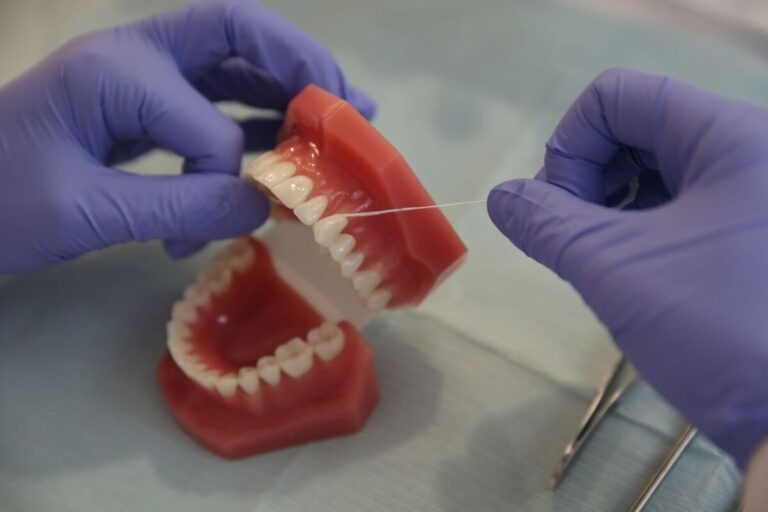
Combine your swishing ritual with regular brushing and flossing. These methods work in tandem to keep your teeth clear of persistent buildup.
Research published by the Department of Education supports the idea that consistent, educated habits lead to better individual outcomes in health management. Apply this logic to your dental care to see real differences over time.
Common Barriers To Consistent Practice
Many individuals struggle with the texture of oil in their mouths during the first few attempts. You may find it helpful to start with a smaller amount of liquid.
Time management remains the largest hurdle for busy schedules. Try performing this task while you perform other morning chores like preparing your workspace or getting ready.
Flavor sensitivity affects some people more than others. If the taste of sesame oil feels too strong, you might cycle between different neutral options like coconut or sunflower oil.
Frequently Asked Questions
Can I swallow the oil after rinsing?
You should never swallow the oil because it becomes loaded with the debris and bacteria you are trying to remove from your mouth. Spitting it out is a necessary part of the process to ensure those particles leave your body completely.
If you accidentally ingest a small amount, it is generally harmless. However, the goal remains to expel the used liquid as soon as the swishing session concludes.
How often should I perform this routine?
Most individuals see the best results when they incorporate this practice into their daily morning schedule. Performing it once per day is sufficient to support your existing dental hygiene efforts.
Consistency is more important than frequency for this type of habit. Stick to a daily schedule to see how your mouth feels after a month of steady application.
Does this replace my toothbrush?
This technique is a supplement to your existing routine rather than a replacement for manual brushing. You still need to brush your teeth twice a day to remove plaque and keep your gums healthy.
Think of this as an extra step to reach areas that a brush might overlook. It works alongside your current tools to provide a more thorough clean.
Are there specific oils I should avoid?
Avoid using oils that contain additives or flavorings, as these are not intended for use in the mouth. Stick to organic, cold-pressed oils to ensure you are using a high-quality product.
Check the label to verify the oil is pure and free from unwanted synthetic ingredients. A simple product is usually the best choice for daily use.
What is the best time of day for this?
Morning is usually the ideal time because it helps clear the mouth after a night of sleep. It serves as a great start to your day while you catch up on emails or prepare your breakfast.
You can choose any time that works for your schedule as long as you can commit to the full 15 minutes of quiet activity. Find a rhythm that allows you to remain consistent without feeling rushed.
The Bottom Line
Sesame oil pulling for white teeth serves as a simple, traditional method for supporting oral cleanliness. By focusing on consistent daily movement, you can help manage the buildup of debris and support your overall mouth health.
Remember that this practice works best as a supplement to standard brushing and flossing. Never stop or change any medication without consulting the provider who recommended it.
Individuals with loose dental work or existing tooth sensitivity should exercise caution before beginning. Consult a licensed healthcare provider before starting any new wellness routine.
Get Your FREE Natural Health Guide!
Subscribe now and receive our exclusive ebook packed with natural health tips, practical wellness advice, and easy lifestyle changes, delivered straight to your inbox.