The Collective Struggle With Organic Foods For Sperm Health
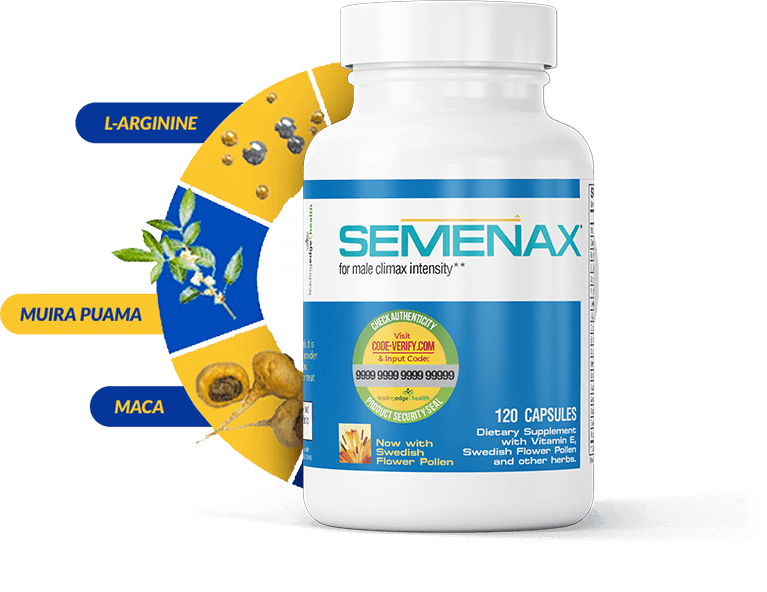
Semenax™ Volume & Vitality Formula
- Designed to work seamlessly with male physiology to provide specialized nutritional support
- Encourages consistent performance, physical endurance, and natural bodily balance
- Manufactured in a cGMP-compliant, FDA-registered facility without synthetic interventions
We often treat fertility as a private matter, yet we share a universal desire for reproductive health. Many individuals find that the quality of our daily sustenance directly impacts the vitality of our cells. Changing our shopping habits is a foundational step toward supporting reproductive wellness.
Modern agricultural practices rely heavily on synthetic pesticides and herbicides. These chemical residues can persist on conventional produce and may interfere with hormonal pathways. Choosing organic options provides a cleaner nutritional profile for those focused on reproductive longevity.
Better Fertility Starts With Organic Foods For Sperm Health by reducing systemic exposure to endocrine disruptors. These food choices offer higher concentrations of essential antioxidants that defend sensitive cells from environmental stress. Consuming produce free from synthetic chemicals provides the clean foundation that biological systems require for optimal function.
Key Takeaways
- Studies show that men who consume higher amounts of pesticide residues on produce demonstrate lower total sperm counts.
- Organic fruits and vegetables frequently contain 20 percent to 40 percent higher levels of polyphenols compared to conventional versions.
- Research from the National Institute of Environmental Health Sciences confirms that specific chemical exposures disrupt delicate reproductive signaling.
Nutrient-Dense Choices And Organic Foods For Sperm Health
Selecting the right ingredients requires a focus on nutrient density rather than just caloric intake. High quality fats and specific vitamins act as the building blocks for healthy cellular structure. These components shield sensitive reproductive markers from daily stressors.
Incorporating a variety of colorful plants ensures a broad spectrum of protective compounds. Focus on these selections to support your goals:
- Walnuts provide high levels of alpha-linolenic acid which supports membrane flexibility.
- Blueberries deliver anthocyanins that combat cellular damage from internal processes.
- Leafy Greens offer folate and iron to maintain proper circulation and mineral balance.
Evidence Based Nutritional Comparison
The following table outlines key nutritional differences between typical agricultural outputs and organic farming methods. These figures highlight why sourcing matters for your routine.
| Nutrient Category | Organic Content | Conventional Content |
| Antioxidant Levels | Higher Average | Lower Average |
| Pesticide Residue | Near Zero | Detectable Amounts |
| Mineral Density | Frequently Higher | Varies Widely |
Demonstrating The Cost Of Pesticide Exposure
We can estimate the impact of chemical avoidance through a simple dietary calculation. Imagine a daily intake of two servings of fruit that are traditionally grown versus organic. If each traditional serving carries a residual pesticide load, the cumulative exposure over one year reaches 730 separate interactions with synthetic substances.
By swapping these two daily portions for organic alternatives, an individual effectively eliminates 730 opportunities for chemical interaction. This simple shift creates a safer environment for cellular maturation. Over a twelve-month period, the reduction in chemical burden becomes significant for overall wellness.
Impact Of Heavy Metal And Chemical Avoidance
Synthetic fertilizers often contain trace metals that accumulate in the body over time. These elements are known to hinder the development of healthy cells. Avoiding these materials is a logical step for anyone aiming to optimize their physiological status.
Data from the Centers for Disease Control and Prevention highlights how environmental exposure persists across various populations. Focusing on clean intake helps mitigate these risks. Prioritize items labeled with the USDA Organic seal to ensure strict adherence to production standards.
Structural Support Through Healthy Fats
Cell membranes rely on polyunsaturated fats to maintain their integrity. These fats are particularly susceptible to damage from oxidation when exposed to poor quality inputs. Selecting organic animal products and fats ensures a cleaner profile.
Focus on these sources to provide the necessary lipids for healthy cellular growth:
- Avocados contain healthy monounsaturated fats that support hormone synthesis.
- Chia Seeds offer omega-3 fatty acids that maintain structural flexibility.
- Pasture Raised Eggs provide essential choline and fat soluble vitamins for cellular stability.
The Role Of Trace Minerals
Specific minerals act as cofactors for the enzymes that drive reproductive processes. Zinc and selenium are two critical components that require consistent intake. Soil health directly determines the mineral concentration of the produce you purchase.
Organic farming methods often prioritize soil vitality which leads to more mineral rich crops. Research from the United States Department of Agriculture emphasizes the importance of soil management in food quality. Investing in these items is an investment in your own nutrient status.
Frequently Asked Questions
Can I see results from dietary changes within one month?
Biological turnover for these cells typically spans approximately 74 days. While initial shifts in inflammation markers occur within a few weeks, the full impact of a diet change manifests after three months.
Consistency is the primary driver of these outcomes. Commit to clean eating habits for the full duration to observe genuine shifts in your personal markers.
Does organic produce actually contain more vitamins?
Many studies indicate that organic options contain higher concentrations of specific protective vitamins. This is often attributed to the plant having to develop its own defenses against pests rather than relying on external chemical sprays.
These natural plant defenses are often beneficial for human health. Increasing your intake of these compounds supports your overall physiological resilience.
Are conventional frozen fruits a viable alternative?
Frozen fruits are often harvested at their peak which preserves their nutrient content effectively. If the specific organic fruit is unavailable, conventional frozen produce is still a superior choice compared to processed snack foods.
Always wash conventional items thoroughly to minimize surface residue. Prioritize organic options whenever your budget and availability allow for it.
Is protein intake more important than organic produce?
Both factors are essential for a balanced approach to wellness. High quality protein provides the amino acids required for cellular structure while organic produce delivers the micronutrients necessary for protection.
Aim for a harmony between these two categories. A singular focus on one while ignoring the other will not yield the best results.
How does caffeine affect reproductive health markers?
High caffeine intake may influence blood flow and hydration status. Moderating consumption is generally recommended for those prioritizing their reproductive environment.
Consider replacing high caffeine drinks with herbal infusions or filtered water. These choices support steady hydration and minimize unnecessary strain on your internal systems.
The Bottom Line
Prioritizing cleaner, less processed nutrition is a practical way to support reproductive wellness. Better Fertility Starts With Organic Foods For Sperm Health when you choose to minimize chemical exposure and increase antioxidant intake. These small, daily decisions build the framework for a healthy internal environment.
Begin by identifying the three most consumed fruits or vegetables in your weekly routine. Replace these specific items with organic versions during your next grocery trip to establish a foundation of cleaner nutrition.
This information is for educational purposes and should not be considered medical advice. Never stop or change any medication without consulting the provider who recommended it. Consult a licensed healthcare provider before starting any new wellness routine.
Get Your FREE Natural Health Guide!
Subscribe now and receive our exclusive ebook packed with natural health tips, practical wellness advice, and easy lifestyle changes, delivered straight to your inbox.