Understanding Why Your Evening Wine Ruins Nighttime Joint Repair Processes
Many of us cherish that quiet hour at the end of the day when a glass of red offers a signal to finally wind down. We often assume this ritual helps us settle into a deep slumber, providing the rest needed for our bodies to manage daily wear and tear. I have spent years reviewing nutritional data and wellness patterns, and the reality is that the chemistry of alcohol interferes with how our tissues handle nightly maintenance.
The assumption that a nightcap aids recovery overlooks the specific ways ethanol disrupts internal cycles. When I look at the research, it becomes clear that the internal environment changes when alcohol enters the bloodstream during our resting hours. This shift prevents the body from performing the essential work required to keep our structural tissues supple and resilient.
Why your evening wine ruins nighttime joint repair comes down to two factors: the suppression of deep sleep stages and the promotion of systemic inflammation. By fragmenting the sleep cycle, alcohol prevents the brain and body from entering the restorative phases where tissue maintenance occurs. Simultaneously, the metabolic breakdown of alcohol releases compounds that hinder the natural cooling and cleaning processes that keep joints comfortable throughout the night.
Key Takeaways
- Deep Sleep Reduction: Alcohol consumption can reduce the duration of restorative rapid eye movement cycles by up to 25 percent in average adults.
- Inflammatory Markers: Regular alcohol intake is linked to elevated levels of C-reactive protein, an indicator of systemic stress within the body.
- Dehydration Effects: Alcohol acts as a diuretic, potentially decreasing the fluid balance in cartilage tissues by up to 10 percent overnight.
The Physiological Impact Of Alcohol On Restorative Cycles
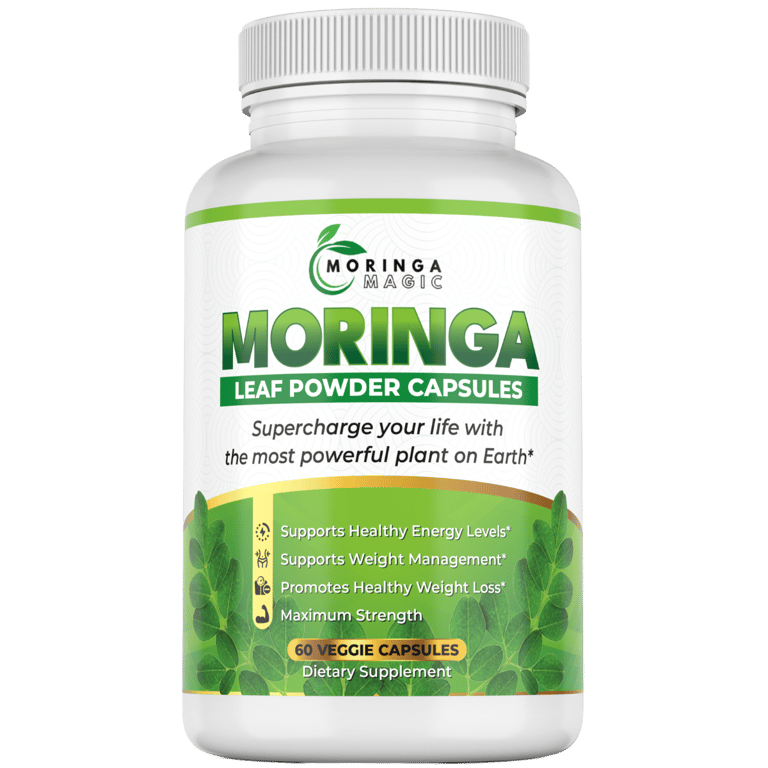
Moringa Magic™ Plant-Based Routine
- Highly bioavailable, plant-based routine designed to provide foundational nutritional support
- Helps your body optimize daily nutrient absorption and address hidden nutrient gaps
- Manufactured in a cGMP-compliant, FDA-registered facility without heavy stimulants
The body functions on a specific clock that governs how it repairs itself once we close our eyes. During these quiet hours, the internal system focuses on clearing out metabolic waste and rebuilding cellular structures. Research from the National Institutes of Health indicates that even moderate alcohol intake can shift the balance of the autonomic nervous system. This state keeps the body in a high-alert mode rather than allowing the necessary drop in heart rate that signals deep physical work.
When the system remains in this active state, the production of growth factors essential for structural integrity slows down. Think of your body like a construction site that only accepts shipments at midnight. If the site manager remains awake and busy with other tasks, the crew cannot receive the materials they need to fix the day’s damage. Alcohol essentially keeps the foreman busy, leaving the structural repairs pending until the next day.
The Connection Between Alcohol Consumption And Joint Comfort
Cartilage is a unique tissue that relies on synovial fluid for nourishment and movement. This fluid requires proper hydration to maintain its viscosity and volume. Because alcohol acts as a diuretic, it draws water away from these delicate areas while we sleep. This loss of fluid volume can lead to a feeling of stiffness or reduced flexibility upon waking.
Furthermore, the breakdown of alcohol in the liver creates oxidative byproducts. These molecules travel throughout the body and can interact with the areas surrounding our bones. When these molecules gather in sensitive zones, they often cause the sensation of discomfort or tenderness that many people mistake for a normal part of aging. Data from the National Center for Biotechnology Information shows that alcohol-induced changes in metabolic pathways often exacerbate minor aches by altering how the body handles fluid pressure.
Numerical Impact Of Beverage Timing On Sleep Architecture
To understand the timeline, consider the processing time of a standard serving of alcohol. The average human body requires roughly 60 to 90 minutes to process one drink. If you consume a glass of wine right before bed, the chemical impact peaks exactly when you should be reaching your deepest, most restorative sleep. The following table provides a breakdown of how timing affects your recovery capacity.
| Consumption Timing | Impact On Deep Sleep | Joint Recovery Potential |
|---|---|---|
| 4 Hours Pre-Sleep | Minimal interference reported | High restoration capability |
| 2 Hours Pre-Sleep | Moderate latency issues | Reduced fluid replenishment |
| Immediate Pre-Sleep | Significant fragmentation occurs | Low structural maintenance |
Strategies For Better Nighttime Tissue Maintenance
If you want to support your body’s ability to maintain its own resilience, adjusting your schedule is the most effective change. Focus on these specific strategies to ensure your internal processes remain uninterrupted. You do not need to abandon your habits, but you should move them to a different timeframe.
- Early Completion: Aim to finish your last drink at least three hours before your scheduled bedtime. This allows your metabolic system to clear the ethanol before you drift into your first deep sleep cycle.
- Water Balancing: For every glass of wine, consume two glasses of filtered water. Proper hydration helps maintain the fluid levels that your tissues require for nightly lubrication.
- Nutrient Support: Incorporate magnesium-rich foods like pumpkin seeds or dark leafy greens into your evening meal. These minerals assist in muscle and tissue relaxation without the disruptive effects of alcohol.
Lifestyle Adjustments To Enhance Evening Recovery
Beyond beverage timing, consider the temperature and environment of your sleeping space. A cooler room temperature often supports the natural drop in core body temperature required for sleep. When the body stays too warm, it experiences more difficulty entering the necessary phases of restoration. Information from the National Library of Medicine highlights the importance of consistent habits for maintaining healthy inflammatory responses throughout the body.
Establishing a wind-down routine that avoids screens is also beneficial. Blue light from devices can interfere with melatonin production, which is the hormone responsible for signaling the start of the repair cycle. By replacing digital habits with reading or light stretching, you create a dedicated window for your body to move into a recovery state. This approach ensures your system remains primed for the internal maintenance that happens during the night.
Frequently Asked Questions
Can red wine still be beneficial if consumed earlier in the day?
Consuming red wine earlier in the day often minimizes the specific risks associated with nighttime sleep fragmentation. By giving your body the full evening to process the compounds before you rest, you allow your system to return to a balanced state of internal quiet. This timing helps maintain the natural rhythm of your structural maintenance cycles without the interference of active metabolic byproducts.
Focusing on the quality and quantity of your intake remains important even when consumed early. Moderation ensures that the system is not overwhelmed by sugar or alcohol content. When consumed with a meal, the effects are also typically more stable as the food slows the absorption of the beverage. This creates a more manageable process for your liver and kidneys throughout the late afternoon hours.
Are there specific types of alcohol that are less disruptive to joints?
While all forms of alcohol require the body to divert resources toward processing, some choices contain fewer additives or higher levels of beneficial compounds like polyphenols. Red wine often receives attention for these plant compounds, though the ethanol content remains the primary factor in sleep quality. Distilled spirits, while lower in sugar, can sometimes have a more intense dehydrating effect on the body tissues.
The most important consideration is not the type of alcohol, but rather the total amount consumed and the timing of that consumption. Focusing on clean, simple choices and maintaining a significant buffer between your last drink and your bedtime will always yield better results. No specific beverage overcomes the fundamental need for deep sleep when it comes to tissue integrity.
How long does it take for joint comfort to improve after stopping evening alcohol?
Many individuals report noticeable shifts in morning comfort within just one week of adjusting their evening routine. By removing the nightly interference, you allow your body to complete its full cycle of cellular cleanup and fluid redistribution. This change often results in waking up feeling less stiff and more fluid in your daily movements.
The cumulative effects become more significant as you sustain these new habits over several weeks. Your body learns to rely on its own internal clock for healing rather than struggling to navigate the effects of late-night beverages. Consistency is the primary factor in feeling the full benefits of this behavioral shift.
Does exercise intensity influence how alcohol impacts nighttime repair?
Higher intensity movement during the day places a greater demand on your tissues for recovery during the night. If you consume alcohol after an intense training session, you effectively block the very process your body is trying to initiate. This conflict can lead to prolonged soreness or a lack of progress in your physical conditioning goals.
Prioritizing hydration and mineral intake after hard work is essential for anyone who stays active. Replacing the ritual of a drink with a focus on protein and electrolytes supports the structural rebuilding that your body desperately needs. When you respect the recovery window, your progress improves as your body functions without the constant barrier of inflammatory byproducts.
Are there supplements that mimic the relaxation of an evening drink?
Many herbs and minerals provide a sense of calm without the negative impact on your sleep stages or fluid balance. Magnesium glycinate is a common choice for its role in calming the nervous system and supporting muscle function. Valerian root or chamomile tea are traditional options that help shift the body into a state of ease before bed.
These natural alternatives allow you to keep your evening ritual of relaxation while protecting the quality of your rest. Experimenting with different teas or herbal preparations can provide the same sense of peace as a drink, but with benefits rather than drawbacks. Always look for high-quality, pure sources to ensure you get the best outcome from these supportive additions.
The Bottom Line
The habit of having a drink to end the day creates a clear conflict with the body’s natural nightly maintenance schedule. By fragmenting your sleep and dehydrating your tissues, alcohol effectively prevents your body from completing the essential repairs needed for daily function. Understanding why your evening wine ruins nighttime joint repair allows you to make informed decisions that align with your long-term comfort.
Shift your evening consumption to an earlier hour or replace it with a hydrating alternative to see immediate improvements in morning flexibility. Never stop or change any medication without consulting the provider who recommended it. Consult a licensed healthcare provider before starting any new wellness routine.
Get Your FREE Natural Health Guide!
Subscribe now and receive our exclusive ebook packed with natural health tips, practical wellness advice, and easy lifestyle changes, delivered straight to your inbox.