Better Sleep Starts by Supporting Your HPA Axis at Night
I frequently observe the quiet frustration of tossing and turning while the clock ticks toward dawn. Our inner alarm system often remains stuck in an active state when we desire deep stillness. Managing this internal rhythm is foundational for long term evening recovery.
Modern living places heavy demands on our internal signaling pathways. When the evening arrives, these signals need to quiet down to invite rest. Learning how to naturally support the hpa axis for nighttime control helps shift the body into a state conducive to sleep.
Supporting this system requires aligning our lifestyle habits with our biological cycles. Individuals often find relief by prioritizing evening darkness, consistent wind down rituals, and stabilizing blood sugar before bed. These actions signal to the body that it is safe to power down for the night.
Key Takeaways
- Research from the National Institutes of Health indicates that balanced cortisol levels typically fall between 5 and 23 micrograms per deciliter in the morning, dropping significantly by midnight.
- Healthy sleep cycles rely on a consistent circadian rhythm which dictates the natural release of melatonin and the gradual slowing of stress hormones.
- Data from the National Library of Medicine confirms that evening carbohydrate intake may influence the availability of tryptophan for serotonin conversion in the brain.
Stabilizing The Biological Rhythms Of Evening Recovery
Our bodies operate on a cycle dictated by light and dark exposure. When we expose ourselves to bright blue light during the late hours, we trick our brains into thinking it is still daytime. This confusion prevents the expected drop in alertness that should occur before sleep.
Consistency serves as a anchor for the entire endocrine system. Waking up at the same hour every day helps set the timing for the eventual shutdown of wakefulness hormones. It creates a predictable environment for the body to follow.
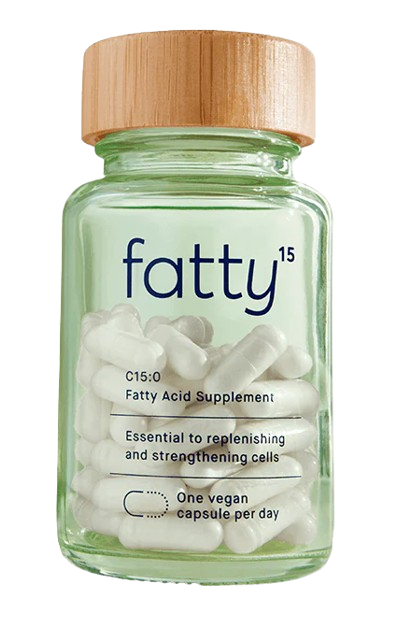
fatty15™ C15:0 Essential Fatty Acid
- Science-backed, pure C15:0 supplement designed to provide foundational support for cellular health
- Promotes balanced metabolism, steady daily energy, and healthy aging from the inside out
- Vegan-friendly, pure, and manufactured in a cGMP-compliant facility
Temperature also plays a significant role in our nightly readiness. Most people find that a room temperature between 60 and 67 degrees Fahrenheit assists with the cooling process necessary for deep rest. This physical shift acts as a cue that it is time to transition into a recovery state.
Nutritional Foundations For Stable Internal Signaling
What we eat during the final meal of the day impacts our internal stability. Large, heavy meals late at night can force the body to focus on digestion rather than rest. Small, balanced snacks might provide the steady fuel needed to prevent blood sugar dips that lead to middle of the night wakefulness.
Magnesium acts as a supportive mineral for those who struggle with evening tension. Many individuals lack sufficient intake of this vital nutrient from their daily diet. Research from the University of Rochester Medical Center suggests that maintaining adequate mineral levels supports normal neurological function.
| Nutrient Source | Primary Benefit | Timing Suggestion |
| Pumpkin Seeds | Rich In Magnesium | Evening Snack |
| Tart Cherries | Natural Melatonin Source | Dinner Side |
| Chamomile Tea | Calming Herbal Profile | Bedtime Ritual |
The Science Of Controlled Evening Transitions
Let us look at the numerical impact of evening habit changes on sleep quality. If you track your bedtime consistency for seven days, you can calculate your average sleep onset latency.
Use this simple calculation to assess your current state:
- Record the time you turn off all lights for five consecutive nights.
- Measure the minutes it takes for you to feel ready for sleep once the lights go out.
- Average those five measurements to determine your current baseline sleep latency.
Aiming for a latency period between 10 and 20 minutes is generally considered efficient for most adults. If your average exceeds 30 minutes, you might benefit from adjusting your pre sleep environment by dimming lights one hour earlier. Small shifts often lead to noticeable changes in how quickly the brain signals for rest.
Practical Approaches For Evening Stillness
Movement during the day helps burn off the extra energy that sometimes keeps us awake at night. However, intense exercise too close to bedtime can have the opposite effect. I advise finishing any vigorous training at least three hours before your planned sleep time.
Mindful practices allow the mind to release the events of the day. Journaling is one effective way to offload mental clutter. It stops the loop of thoughts that often prevents us from finding true comfort in our beds.
Environment dictates behavior more than we realize. Keep the sleeping area dedicated strictly to rest. Avoid working or using electronic devices in the bedroom to maintain a strong association between that space and peaceful recovery.
Frequently Asked Questions
Does moderate exercise impact how to naturally support the hpa axis for nighttime control?
Regular physical activity acts as a regulator for the entire system when performed earlier in the day. It helps clear the backlog of stress signals, allowing for a more profound descent into rest during the evening hours.
However, scheduling high intensity movement too close to the bedtime window can spike internal activity levels. Aim to complete any challenging workouts during the morning or early afternoon to ensure the body has sufficient time to return to a baseline state.
Can herbal teas influence the effectiveness of evening rest routines?
Certain plant based infusions provide a gentle sensory cue that the day is coming to a close. Warm fluids often have a relaxing effect on the muscles and provide a consistent anchor for a nightly ritual.
While these beverages do not directly adjust hormonal output, they facilitate the behavioral changes required for relaxation. Choosing caffeine free varieties ensures that you do not inadvertently stimulate the nervous system when you intend to quiet it.
Is there a connection between hydration and nighttime stability?
Proper hydration is essential for overall endocrine function during the day. Balancing fluid intake is equally important as evening approaches to avoid sleep interruptions.
I recommend tapering water consumption two hours before sleep. This practice minimizes the likelihood of wakefulness during the night while still ensuring your system remains balanced throughout the day.
How does light exposure influence our evening signaling?
Light is the most powerful tool for setting our internal biological clock. Exposure to natural sunlight in the morning triggers a cascade of events that sets the stage for a healthy transition later in the evening.
Conversely, limiting artificial light in the hours before bed prevents the inhibition of signals that tell the body it is time to wind down. Installing dimmers or using warmer, amber toned lamps can help protect your evening recovery window.
Can consistent meal timing help with evening restoration?
Eating at irregular hours can confuse our internal system and interfere with the natural processes that occur overnight. A consistent meal schedule helps the body anticipate when to expect fuel and when to focus on repair.
Try to eat your final meal at the same time each evening to reinforce this rhythm. Avoiding heavy or high sugar foods in the late evening also keeps blood sugar stable, which prevents the body from triggering emergency signals while you sleep.
The Bottom Line
Effective evening restoration hinges on our ability to align daily habits with our internal biology. By managing light, nutrient intake, and mental activity, we provide the right conditions for our systems to settle into a natural rhythm.
Better Sleep Starts by Supporting Your HPA Axis at Night through consistent, mindful lifestyle choices. Focus on creating an environment that honors your need for peace and recovery each evening.
Never stop or change any medication without consulting the provider who recommended it. This content is for educational purposes and is not intended for individuals with acute endocrine conditions. Consult a licensed healthcare provider before starting any new wellness routine.
Get Your FREE Natural Health Guide!
Subscribe now and receive our exclusive ebook packed with natural health tips, practical wellness advice, and easy lifestyle changes, delivered straight to your inbox.