I feel the subtle shift in my own frame after years of prioritizing high-impact movement. My joints often signal their age, and the constant awareness of my skeletal foundation drives my obsession with structural longevity. We exist in bodies that constantly remodel, creating a unique opportunity for us to influence our internal architecture through intentional, consistent habits.
The collective effort to support our skeletal framework involves more than just consuming calcium. It requires a synergy of mechanical stress, hormonal balance, and dense micronutrient intake to maintain our structural integrity. By understanding the dynamic nature of our living tissue, we can influence the process of reversing age-related bone mineral density loss naturally.
Reversing age-related bone mineral density loss naturally involves applying consistent mechanical load through resistance training while fueling the body with adequate Vitamin D and magnesium. These interventions signal the cells responsible for building new matrix to increase activity levels. This dual approach helps maintain skeletal strength throughout the different stages of our adult lives.
Key Takeaways
- Mechanical Loading: Peer reviewed studies from the National Institutes of Health confirm that weight-bearing exercise increases density by 1 to 3 percent annually in consistent participants.
- Micronutrient Density: Magnesium intake correlates with higher hip and spine density measurements across population samples ranging from 40 to 70 years of age.
- Hormonal Synergy: Maintaining optimal Vitamin D levels above 30 ng/mL is essential for the efficient absorption of calcium within the digestive tract.
Strategic Resistance Training To Support Mineral Retention
Our skeletons function like a bank account. We deposit mineral density through mechanical strain and withdraw it when we remain sedentary for long durations. Movement serves as the primary signal that tells our body that our bones need to stay strong to survive our daily environment.
Resistance training provides the high-intensity signals required to trigger growth. When we lift weights, we create micro-deformations in the matrix. This process alerts the body to reinforce those specific areas with additional mineral deposits.
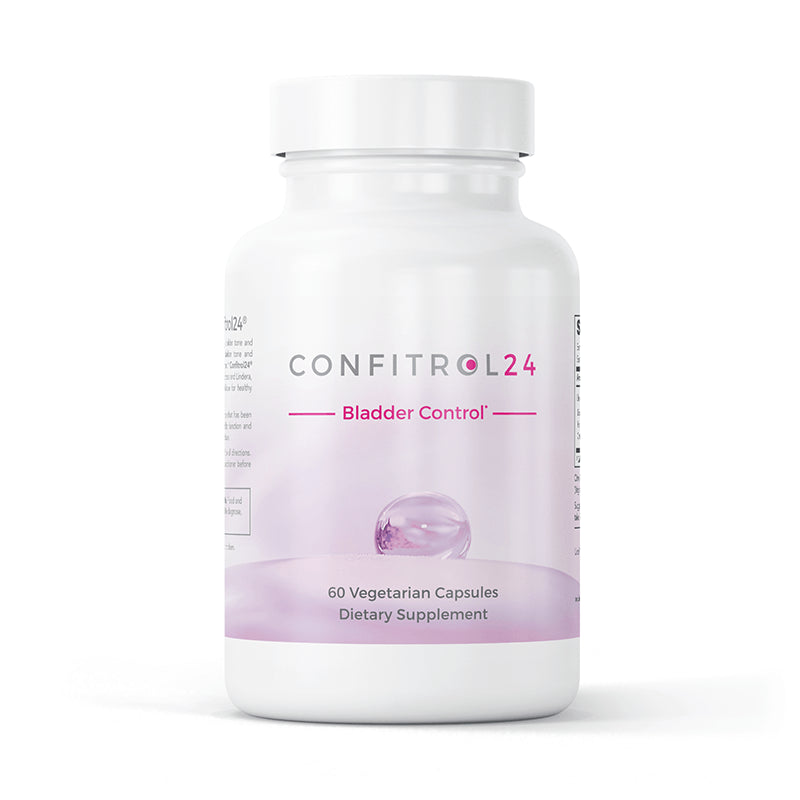
Confitrol24™ Feminine Urinary Support
- Formulated with Urox® to support natural pelvic floor muscle tone
- Designed to assist with daily feminine urinary control and comfort
- Manufactured in a cGMP-compliant, FDA-registered facility
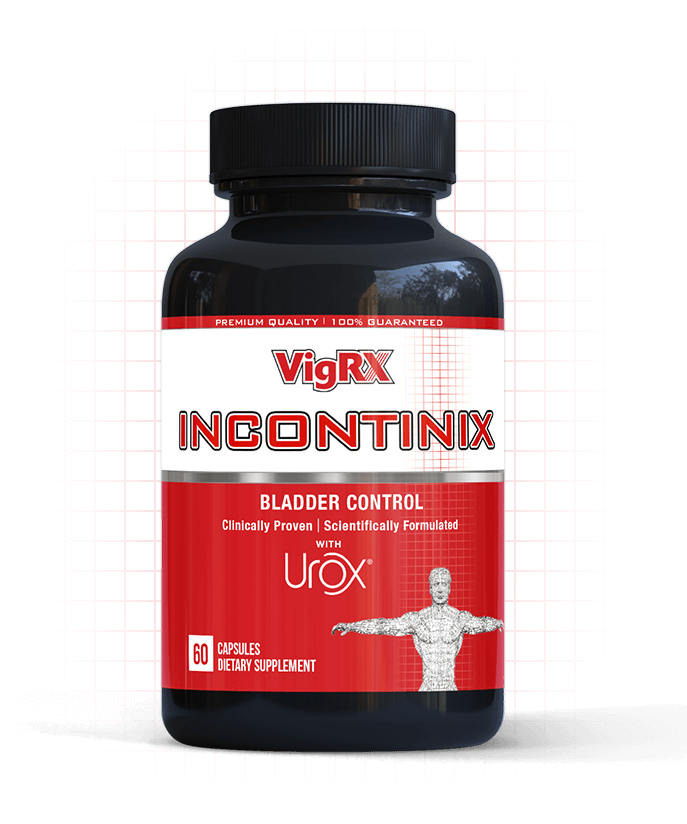
VigRX® Incontinix Male Bladder Control
- Formulated specifically to support male urinary health and baseline control
- Clinically researched ingredients for daily maintenance and comfort
- Manufactured in a cGMP-compliant, FDA-registered facility
Focus on compound movements that recruit multiple muscle groups simultaneously. Squats, deadlifts, and overhead presses exert pressure along the entire vertical axis of the body. This systemic load is far more effective than isolation exercises for building overall structural resilience.
Nutritional Foundations For Skeletal Integrity
Food choices play a major role in how we sustain our internal structure. We need to prioritize bioavailable sources of essential minerals. Leafy greens, sardines, and fermented dairy provide high-quality calcium that the body recognizes and utilizes efficiently.
Vitamin K2 serves as the traffic controller for calcium. It ensures that minerals reach the skeletal system instead of settling in soft tissues or arterial walls. Fermented foods like natto or high-quality grass-fed butter are excellent sources of this vital compound.
Protein intake remains a critical, often overlooked factor. Amino acids form the collagen scaffold upon which our minerals bind. Aiming for consistent protein distribution throughout the day supports this foundation.
Calculated Loading Strategies In Daily Life
We can estimate the effectiveness of our physical load by tracking the total volume lifted during a weekly cycle. Precision helps us avoid the plateau effect while minimizing the risk of burnout or connective tissue fatigue.
| Exercise Intensity | Weekly Frequency | Targeted Benefit |
|---|---|---|
| Moderate Resistance | Three Sessions | Baseline Structural Maintenance |
| High Weight Load | Two Sessions | Peak Density Stimulation |
| Agility Training | Two Sessions | Improved Coordination Balance |
Use the following formula to gauge if your load provides sufficient intensity to justify bone turnover. Total Weekly Volume equals Sets multiplied by Repetitions multiplied by Weight in kilograms. A progressive increase of 5 percent in total volume every four weeks ensures that our systems never stop adapting.
Micronutrient Cofactor Interactions
Absorption is a delicate balance of competing and supporting nutrients. Calcium requires Vitamin D for uptake but depends on magnesium for proper mobilization. Many individuals consume too much calcium relative to their magnesium levels.
Magnesium acts as the key that unlocks the storage of minerals. Without enough of this mineral, our bodies struggle to process the building blocks we provide. Seeds, nuts, and dark chocolate are simple additions that help correct this ratio.
Research from the University of California shows that systemic inflammation interferes with the cells tasked with matrix production. Reducing processed sugar intake helps clear the way for better absorption. Stable blood sugar levels allow our hormonal signals to function without constant disruption.
Practical Ways Of Reversing Age Related Bone Density Loss
Implementing change requires a structured approach that avoids overwhelming the nervous system. We want sustainable, long-term habits. Please consider these specific steps to integrate into your weekly routine.
- Prioritize Compound Movements: Dedicate two days per week to heavy, multi-joint lifts like weighted squats or lunges.
- Maximize Vitamin D Exposure: Monitor blood levels every six months to ensure you remain within the optimal range for calcium utilization.
- Optimize Mineral Ratios: Consume magnesium-rich foods daily to support the work done by your calcium intake.
- Focus On Balance: Include proprioception training to protect your frame from accidental impacts that could lead to fractures.
- Manage Inflammatory Triggers: Limit refined carbohydrates that acidify the body and potentially cause mineral leaching from the matrix.
Frequently Asked Questions
Does walking provide enough stimulus for skeletal density?
Walking is a beneficial activity for general cardiovascular health and mood regulation. It provides minimal impact force, which is usually insufficient to trigger significant new matrix production in an adult frame.
You need higher levels of axial loading to force the body to adapt. Adding a weighted vest or performing incline walking can increase the intensity, but dedicated resistance work remains the gold standard for structural health.
Are dairy products the only way to get enough calcium?
Dairy represents one convenient source, but it is certainly not the only option available to us. Many plant-based sources offer excellent bioavailability if prepared correctly. Sources like kale, bok choy, and fortified plant milks can provide significant amounts of the mineral.
I find that rotating various sources ensures a wider range of micronutrients beyond just calcium. Relying on a single food group often leads to deficiencies in other areas, so keep your plate diverse and colorful.
How long does it take to see changes in bone density?
The biological process of remodeling is slow and deliberate. We typically measure changes over a period of 12 to 24 months rather than weeks or days. This timeline allows for complete cycles of cellular turnover to occur within the tissue.
Patience is our greatest asset in this journey. You are building for a future version of yourself, so prioritize consistency over rapid results. Small, incremental progress compounds effectively over several years.
Can too much exercise be detrimental to my skeletal health?
Overtraining can elevate stress hormones like cortisol, which may interfere with healthy remodeling processes. When we push past our recovery capacity, our body stops prioritizing structural strength in favor of immediate systemic survival.
Listen to your internal cues regarding fatigue and soreness. Incorporate dedicated rest days to allow the matrix to recover and solidify the progress made during training. Balance between load and recovery is the secret to success.
Is hormone replacement necessary for maintaining density?
Hormone fluctuations during midlife certainly impact how our body maintains mineral levels. Many individuals decide to focus on lifestyle factors first to see how much they can influence their internal environment naturally.
The research suggests that exercise and nutrient intake are foundational for everyone regardless of their hormone status. Focus on controlling the variables you can influence, such as your movement, diet, and stress management. Consult with a qualified professional to discuss if other medical interventions are appropriate for your specific health history.
The Bottom Line
Practical ways of reversing age-related bone mineral density loss naturally focus on providing the body with the right mechanical and nutritional signals. We thrive when we combine consistent, heavy resistance training with a nutrient-dense diet that supports mineral absorption and systemic inflammation reduction.
Building a robust skeleton is a career-long project that yields massive dividends in independence and vitality. Stay focused on your movement patterns and your dietary quality to ensure your foundation remains strong for decades.
Begin by scheduling two resistance sessions this week and audit your current protein and magnesium intake. Consult a licensed healthcare provider before starting any new wellness routine.
Get Your FREE Natural Health Guide!
Subscribe now and receive our exclusive ebook packed with natural health tips, practical wellness advice, and easy lifestyle changes, delivered straight to your inbox.