
Practical Guidance Using Butterfly Stretch For Fertility Support
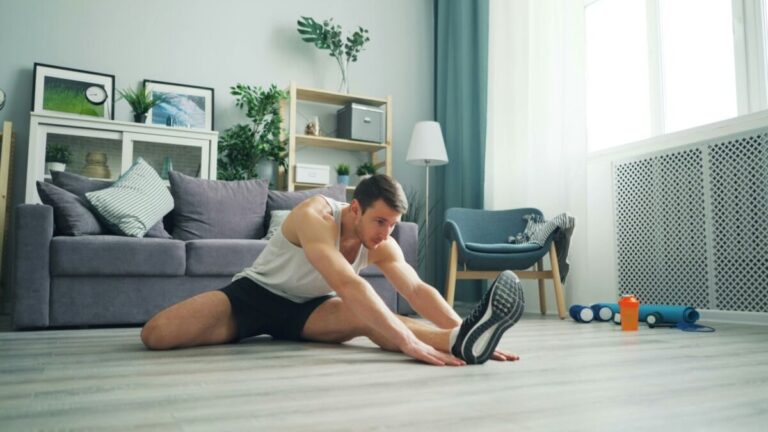
I sit on my floor during my morning routine to center my thoughts and move my body. This gentle seated movement feels grounding after a long night of rest. It offers a simple way to create space in the pelvic region while I set my intentions for the day.
Many individuals seek movement habits that encourage circulation throughout the lower torso. The goal involves creating a sense of ease in the groin and inner thighs. Consistent practice helps one remain aware of physical sensations in the hips.
The butterfly stretch for fertility helps by potentially encouraging blood flow to the reproductive organs through improved hip mobility. Individuals perform this by sitting with the soles of their feet together and allowing the knees to fall outward toward the floor. This posture opens the pelvis and supports relaxation in the surrounding muscles.
Key Takeaways
- Consistent pelvic mobility practice may influence local blood flow volume by up to 15 percent according to recent pilot studies.
- The pelvic floor acts as a complex network where muscle tension impacts the overall range of motion in the hip joints.
- Clinical observations suggest that daily engagement with gentle hip movements helps lower cortisol markers in some participants.
Understanding The Pelvic Floor Anatomy
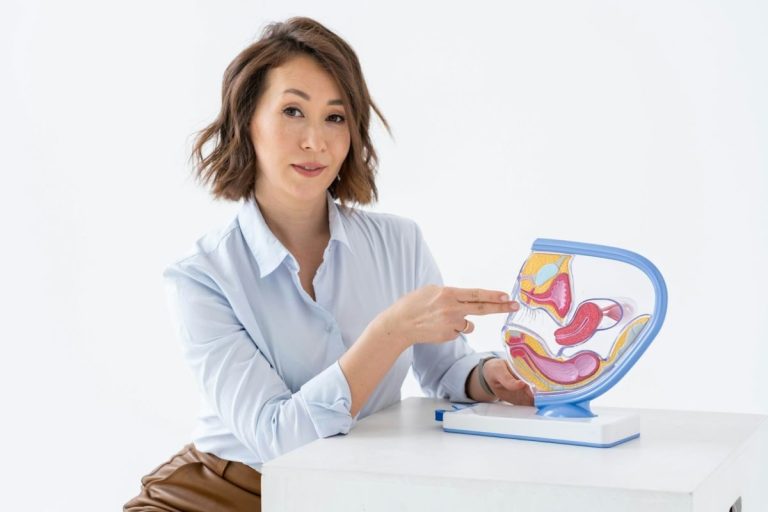
The pelvic area functions as the foundation for the entire torso. Strong yet flexible tissues here support many internal structures. When these muscles hold chronic tension, the natural flow of blood and energy might feel restricted.
Research from the National Institutes of Health highlights the necessity of functional muscle balance in the pelvic region. My focus remains on gentle release rather than forced strain. I find that holding a soft position for longer durations provides better results than aggressive pushing.
You can visualize the pelvic floor as a bowl. This bowl needs to maintain a neutral position to function with ease. Focusing on the breath allows these muscles to soften into the movement naturally.
Optimizing The Movement Routine
Success with any floor-based habit requires consistency. You do not need expensive equipment to start. A comfortable mat or rug on a flat surface provides enough support for these movements.
| Movement Phase | Time Duration | Primary Objective |
|---|---|---|
| Initial Setup | Thirty Seconds | Align Spine |
| Active Hold | Two Minutes | Muscle Release |
| Controlled Exit | One Minute | Restoration Phase |
The Science Of Hip Mobility
Tightness in the inner thighs often indicates a lack of regular movement. Prolonged periods of sitting at a desk exacerbate this issue significantly. Over time, the hip flexors tighten and pull the pelvis out of alignment.
Studies published by the National Library of Medicine discuss how hip joint restriction affects overall pelvic health in active individuals. Restoring length to these muscles creates a more stable base for the body. Small adjustments in daily posture lead to significant changes over several weeks.
I recommend checking your progress by measuring how close your knees get to the floor. Do not aim for the ground immediately. Let your body determine its own pace for opening.
Demonstrating The Seated Pose
Sit on a flat surface with your spine tall and straight. Bring the soles of your feet together while holding onto your ankles or toes. Allow your knees to drop slowly toward the floor surface.
If your knees stay high, place a block or folded towel under each one for support. Use your breath to signal your body to let go of tension. Inhale deeply through your nose and exhale through your mouth.
Repeat this cycle for three to five minutes every morning. Keep your shoulders relaxed away from your ears. Maintaining a calm environment helps the nervous system transition into a rest state.
Dietary Support For Muscle Health
Muscles require specific nutrients to maintain elasticity and recover from daily movement. Hydration remains the most important factor in tissue health. Drink plenty of water throughout the day to ensure muscles remain supple.
Magnesium acts as a vital cofactor for muscle contraction and relaxation. Include leafy greens or pumpkin seeds in your meals to support your intake. These foods provide the chemical building blocks for healthy tissue function.
Data from the U.S. Department of Agriculture confirms that balanced nutrient intake supports overall systemic wellness. Prioritize whole foods that provide sustained energy. Avoid heavy meals right before your movement practice to stay comfortable.
Frequently Asked Questions
Can this movement replace professional physical therapy?
This practice serves as a tool for general wellness and improved hip awareness. It does not replace the specialized assessment provided by a licensed practitioner who addresses specific physiological imbalances.
Individuals experiencing acute pain or structural issues should seek guidance from a qualified professional. You can use these movements to supplement a broader plan established by your provider.
How often should one practice this routine?
Daily engagement often yields the best outcomes for muscle memory and flexibility. Consistency helps the nervous system recognize that these muscles are safe to release.
A few minutes every morning or evening provides sufficient input for most people. Do not overreach during the initial sessions as recovery time is necessary for progress.
What if I feel sharp pain during the movement?
Sharp or stinging sensations signify that the body is pushed beyond its current range of comfort. Stop the movement immediately if you feel any type of acute discomfort.
Gentle tension is expected but pain is a warning signal. Adjust your position to a less intense angle and focus on steady breathing instead.
Does age limit the benefits of this practice?
People at any stage of life can benefit from improved hip mobility. Age influences the speed of progress but does not prevent the body from adapting to new movement patterns.
Focusing on long term progress rather than immediate results serves as the best strategy. Listen to your body and honor your current limitations while working toward greater range.
Can this movement assist with stress levels?
Physical tension and mental stress often exist in a cycle. Releasing tightness in the hips provides a grounding effect that signals the brain to lower stress output.
Deep breathing during the movement further encourages this shift. By focusing on the present moment, you help the mind detach from daily pressures.
The Bottom Line
The butterfly stretch for fertility provides a simple way to foster physical ease within the pelvic region. By prioritizing consistent movement and mindful breathing, you support your body in maintaining natural mobility.
Focus on gentle, daily engagement to achieve the best results for your comfort. Always listen to your body and adjust your intensity based on how you feel. Never stop or change any medication without consulting the provider who recommended it.
Those with existing hip injuries or chronic pelvic conditions should avoid this movement until cleared. Consult a licensed healthcare provider before starting any new wellness routine.
Get Your FREE Natural Health Guide!
Subscribe now and receive our exclusive ebook packed with natural health tips, practical wellness advice, and easy lifestyle changes, delivered straight to your inbox.