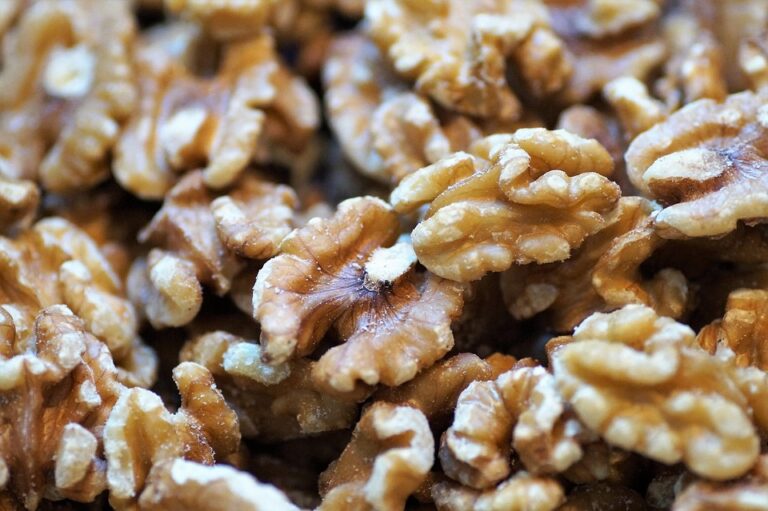
Maximizing Health With Walnut Butter For Omega 3 Fatty Acids
Most of us grapple with the challenge of fitting enough healthy fats into a busy daily schedule. We often reach for convenient snacks that lack real nutritional density. Walnut butter for omega 3 represents a simple shift that bridges the gap between convenience and long term wellness goals.
This spread provides a rich source of plant based fats that support various bodily functions. It serves as a creamy addition to morning routines or mid day energy lulls. Many find that replacing standard nut butters with this walnut based alternative adds a distinct earthy flavor to common recipes.
Walnut butter provides a concentrated source of alpha linolenic acid which is a specific type of plant based omega 3 fatty acid. Individuals can incorporate this spread into morning smoothies or oatmeal to improve their intake of essential polyunsaturated fats without needing supplements. This food functions as a dense whole food source for supporting healthy lipid profiles.
Key Takeaways
- Walnuts contain approximately 2.5 grams of alpha linolenic acid per ounce serving.
- Plant based omega 3 fats contribute to the maintenance of normal blood cholesterol levels.
- Replacing saturated fat sources with nut based spreads helps improve daily heart healthy fat ratios.
Comparing Nutrient Profiles In Nut Based Spreads
Understanding the specific fat content of different nut butters allows for more informed choices in the kitchen. Not all spreads offer the same biological benefits regarding fatty acid profiles. The following table illustrates why certain choices rank higher for specific nutritional needs.
| Nut Butter Type | Omega 3 Content | Primary Fat Profile |
| Walnut Butter | High concentration | Polyunsaturated focus |
| Almond Butter | Negligible amounts | Monounsaturated focus |
| Peanut Butter | Minimal presence | Mixed fat profile |
The high concentration of alpha linolenic acid in walnuts sets this specific spread apart from other popular options. While almonds and peanuts offer protein and monounsaturated fats, they lack the specific omega 3 profile found here. Diversifying your pantry ensures you receive a wider spectrum of required nutrients.
The research from the National Institutes of Health indicates that plant derived fatty acids support various physiological systems. Prioritizing these sources helps maintain balance throughout the week. Choose raw or dry roasted varieties to avoid unnecessary oils.
Practical Strategies To Utilize Walnut Butter For Omega 3 Density
Integrating this food into your routine requires minimal effort if you understand its texture. Walnut butter tends to be thinner than traditional nut butters due to the high oil content. Use these methods to incorporate it effectively into your meals.
- Smoothie Additions: Blend one tablespoon of the butter into your favorite berry smoothie to thicken the texture while adding healthy fats.
- Oatmeal Topping: Drizzle the spread over warm oats to provide a creamy base that contrasts with the texture of the grains.
- Yogurt Mixing: Fold the butter into plain Greek yogurt for a nutrient dense afternoon snack that stabilizes hunger levels.
- Fruit Dipping: Use apple slices or pear wedges as a vehicle for the butter to create a balanced snack during work hours.
- Salad Dressing: Whisk a small amount with apple cider vinegar and herbs for a creamy, heart healthy salad dressing base.
Understanding The Role Of Alpha Linolenic Acid
Alpha linolenic acid is an essential fat because the body cannot produce it internally. You must consume this through your diet to support basic biological functions. Research published by the United States Department of Agriculture highlights the unique composition of these nuts. Including them in your meals provides a consistent supply of these building blocks.
Many individuals assume they need expensive oils to get enough of these fats. Whole food sources like walnuts offer a matrix of fiber and minerals alongside the healthy fats. This combination improves how the body processes the energy and nutrients provided by the spread.
Focus on quality when selecting your jar. Look for labels that list only walnuts as the primary ingredient. Added sugars or hydrogenated oils diminish the nutritional value of the product.
Calculating Your Daily Fat Requirements
To understand the impact of these fats, consider a simple calculation based on typical intake needs. If your goal is to add more plant based fats, you can track your serving sizes effectively. Use this formula to visualize how much you might consume in a single day.
Assume your daily goal for omega 3 intake is 2 grams. If one tablespoon of walnut butter provides approximately 0.5 grams of alpha linolenic acid, you would need four tablespoons to hit that specific metric. Adjust these values based on your total caloric requirements and other food sources in your day.
This demonstrates why walnut butter acts as a contributor rather than a sole solution for your total fatty acid needs. Pair it with other sources like flax seeds or chia seeds to reach your target efficiently. Variety prevents dietary boredom and ensures a complete intake of various nutrients.
Environmental And Dietary Considerations
Sustainability plays a large role in how we choose our food sources. Walnuts require less water to grow compared to many other nut varieties found on grocery shelves. Choosing this product supports more sustainable farming practices while meeting your internal health requirements.
Sensitivity to nuts is a real concern for many people. If you have a known history of nut allergies, strictly avoid this product. The National Library of Medicine provides resources for managing these types of dietary restrictions. Safety always comes before nutritional experimentation.
Consistency matters more than perfection when adopting new dietary habits. Focus on small, daily additions rather than drastic changes. This sustainable approach to nutrition leads to long term success in your personal wellness journey.
Frequently Asked Questions
Can I make my own nut butter at home?
You can create this spread easily if you have a high speed blender or a food processor. Simply place raw, unsalted walnuts in the machine and blend on medium speed until the oils release and the texture becomes creamy. This process usually takes about five to ten minutes depending on the strength of your equipment.
Making your own version allows you to control the roast level and avoid any added salt or sweeteners. You can also add a pinch of cinnamon or sea salt to customize the flavor to your preference. Store the final product in an airtight glass jar in the refrigerator to keep it fresh for longer durations.
How long does this butter stay fresh after opening?
Natural nut butters contain healthy oils that can turn rancid if exposed to light, heat, or oxygen for extended periods. Most homemade or natural store bought varieties last up to two months when stored properly. Keeping the container in a cool, dark place is essential for maintaining the integrity of the fats.
If you find that your jar lasts longer than a few weeks, consider moving it to the refrigerator. Chilled storage slows the oxidation process significantly and keeps the taste profile stable. Always check for an off smell or unusual texture before use to ensure the product remains of high quality.
Does heat destroy the omega 3 fats in the butter?
High temperatures can impact the stability of polyunsaturated fats, but incorporating them into warm oatmeal or smoothies does not damage them significantly. Avoid using the butter for high heat frying or sautéing where temperatures exceed three hundred degrees. Gentle heating preserves the nutritional value effectively.
The primary concern with heat is long term exposure during cooking rather than brief contact with warm food. If you wish to maintain the maximum nutritional profile, add the spread at the end of the cooking process. This ensures the integrity of the essential fats remains intact for your consumption.
Are there specific populations that need more of these fats?
Individuals who do not consume fatty fish or flax seeds often benefit from adding walnut based fats to their diet. Because these fats play a role in supporting the maintenance of normal cell function, they are important for everyone. Those who follow plant based lifestyles should pay extra attention to these intake levels.
The total requirement for these fatty acids varies based on age, gender, and activity level. Consulting with a professional allows for a personalized approach that aligns with your individual biology. Relying on whole food sources like walnuts remains a practical way to support a balanced intake regardless of your specific lifestyle.
How much of this spread is too much?
Moderation is vital because nut butters are energy dense, meaning they contain many calories in a small volume. Most individuals find that one to two tablespoons per day provides enough of the desired fats without excessive caloric intake. Using this as a tool rather than a primary food source keeps your energy balance stable.
Excessive consumption might lead to unwanted weight gain if you do not adjust your other caloric sources accordingly. Use the spread to complement other healthy foods like vegetables and grains rather than as a stand alone meal. Balance remains the most important factor in any successful wellness strategy.
The Bottom Line
Walnut butter for omega 3 provides a simple and effective way to bolster your intake of healthy fats. By choosing quality ingredients and incorporating them into your daily rituals, you provide your body with the fuel it needs. Focus on consistency to see the best results for your long term vitality.
Start by swapping your current spread for a walnut based alternative tomorrow morning. Never stop or change any medication without consulting the provider who recommended it. Consult a licensed healthcare provider before starting any new wellness routine.
Get Your FREE Natural Health Guide!
Subscribe now and receive our exclusive ebook packed with natural health tips, practical wellness advice, and easy lifestyle changes, delivered straight to your inbox.