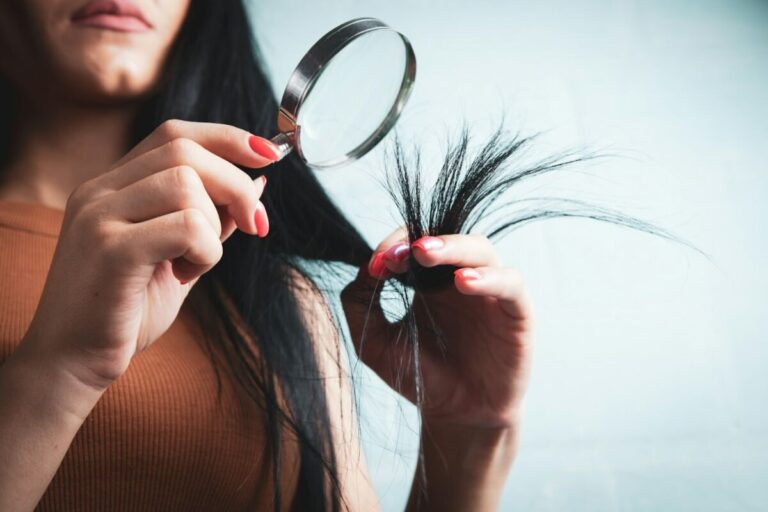
Understanding When Postpartum Hair Loss That Won’t Stop Occurs
The transition into motherhood brings many changes to the physical body. Many individuals notice significant shedding roughly three to six months after giving birth. Most shedding stabilizes within a year, but some people find the cycle persists longer than anticipated.
The shedding occurs because hormone levels drop rapidly after childbirth. This shift causes hair follicles to move into a resting phase simultaneously. Many follicles remain in this phase for a longer duration for some individuals.
Postpartum hair loss that won’t stop refers to excessive shedding persisting beyond twelve months after childbirth. Most people see density return to normal levels within 6 to 12 months after delivery. Seek guidance if you notice sparse patches or scalp visibility continuing past the one year mark.
Key Takeaways
- Up to 90 percent of individuals experience increased shedding following pregnancy.
- The average person loses 50 to 100 hairs daily, but this number can jump to 400 during peak shedding phases.
- Studies by the National Library of Medicine confirm that hormonal fluctuations remain the primary driver of hair density shifts during this life stage.
I notice that clients often struggle with hair thinning because they neglect their iron stores. Replenishing minerals makes a massive difference in hair growth velocity.
Why Hair Growth Cycles Shift After Birth
The Role Of Hormonal Fluctuations
Pregnancy keeps your hair in a continuous growth phase. Elevated estrogen levels prevent normal shedding patterns. Your hair remains fuller and thicker for the duration of those nine months.
Birth triggers a sudden hormonal drop. Estrogen levels crash to pre pregnancy baselines. This causes follicles to shift into the resting phase all at once.
Biological Timing Of The Resting Phase
The telogen phase lasts for about three months. Many follicles enter this stage simultaneously after delivery. The shedding happens when new hairs eventually push out the old strands.
Nutritional Foundations For Hair Health
Hair health relies on consistent nutrient intake. Protein serves as the building block for every strand. You must consume adequate amounts to support cell turnover.
- Iron Intake: Iron deficiency is a common issue for many people. It impacts the delivery of oxygen to your follicles. Research from the National Institutes of Health highlights the necessity of iron for healthy tissue growth.
- Vitamin B Complexes: Biotin and other B vitamins regulate energy metabolism. These nutrients keep follicles functioning properly. Low levels often lead to brittle strands.
- Zinc Levels: Zinc supports tissue repair. It maintains the oil glands surrounding your hair follicles. A lack of zinc often correlates with slower growth cycles.
Evaluating Your Daily Shedding Rate
You can track your shedding to see if it remains within normal ranges. Use a simple collection method to gather data over three days. Calculate your average to determine if you need to adjust your approach.
| Measurement | Normal Range | Extended Shedding |
| Daily Loss | 50 to 100 strands | 250 plus strands |
| Growth Cycle | 3 to 5 years | Under 2 years |
| Recovery Time | 6 to 12 months | Over 18 months |
Environmental Factors And Scalp Care
Minimizing Mechanical Stress On Strands
Tight hairstyles pull on the root. This constant tension damages the follicle over time. Opt for loose styles that do not strain your hairline.
Choosing Gentle Hair Products
Harsh shampoos strip natural moisture from your scalp. Select products with mild cleansers. Focus on hydration to keep the scalp healthy.
Managing Stress Levels And Sleep
High cortisol levels impact your entire body. Stress often exacerbates shedding cycles. Prioritize rest whenever your schedule allows.
Create a bedtime routine that promotes deep sleep. Your body repairs tissues while you rest. Consistent sleep helps regulate your internal biological rhythms.
Tracking Progress With A Simple Journal
Document your hair density every month. Use photos to capture changes in your hairline. This visual record helps you observe subtle improvements over time.
- Photo Consistency: Always use the same lighting. Stand in the same spot for every photo. Keep your hair texture consistent to ensure accurate comparisons.
- Detailed Notes: Record your daily intake of nutrient dense foods. Note any changes in your stress levels. Track how often you wash your hair.
- Length Checks: Measure the growth of new hairs at your temples. This indicates that your follicles remain active. New growth often looks like short, wispy strands.
Seeking Professional Guidance For Persistent Thinning
When To Contact A Dermatologist
Some shedding stems from underlying conditions. Thyroid issues often mimic postpartum hair changes. A specialist can rule out these health factors.
Diagnostic Tools For Scalp Health
A professional might perform a pull test. They assess how many hairs fall out with gentle tugging. They examine your scalp for signs of inflammation or infection.
The Connection Between Weight And Hair Density
Rapid weight loss stresses your system. The body prioritizes vital organs over hair growth. Ensure you maintain a balanced diet during the recovery phase.
Consult with a professional about caloric needs. Adequate nutrition from the Department of Agriculture provides a foundation for internal wellness. Slow, steady progress supports better long term results.
Frequently Asked Questions
Does breastfeeding affect my hair cycle?
Many people assume breastfeeding depletes their hair health. Hormones continue to fluctuate while you nurse. These shifts influence when your hair growth cycles return to baseline.
You should prioritize nutrient dense foods while nursing. Breastfeeding increases your metabolic demands significantly. Eating enough calories and protein supports both your infant and your own recovery.
Can I use topical products to speed up growth?
Many over the counter products claim to assist with volume. Most focus on improving the appearance of existing strands. They do not necessarily fix the root cause of shedding.
Focus on maintaining a clean and healthy scalp environment. Avoid products with heavy waxes or silicones. These ingredients create buildup that blocks the follicles.
Is it normal to see patches of scalp?
Seeing a little more scalp while your hair is wet is common. True patches of hair loss require professional attention. This could signal a different type of hair loss entirely.
Track the size of these areas over several weeks. If the space between hairs grows, seek guidance. A specialist can confirm if this relates to your recent birth experience.
How long does the typical recovery take?
Most individuals notice a reduction in shedding by the one year mark. Your hair starts to regain its former thickness shortly after. Patience remains a core part of the process.
If you reach eighteen months without improvement, investigate further. Sometimes iron levels or hormonal balances remain off. Checking your blood work helps clarify the situation.
Does exercise help or hurt hair density?
Regular movement promotes circulation throughout the body. Healthy blood flow supports the delivery of nutrients to follicles. Exercise also helps manage daily stressors.
Do not overtrain if you feel exhausted. Restorative activities like walking or yoga are ideal. Listen to your body and prioritize recovery after your workout.
The Bottom Line
Postpartum hair loss that won’t stop can feel overwhelming, but it often responds to gentle care and proper nutrition. Focus on your internal health to support your follicles as they transition back to normal cycles. Consult a licensed healthcare provider before starting any new wellness routine. Individuals with specific medical conditions or those currently under the care of a specialist should refrain from changing their routines without professional oversight.
Get Your FREE Natural Health Guide!
Subscribe now and receive our exclusive ebook packed with natural health tips, practical wellness advice, and easy lifestyle changes, delivered straight to your inbox.