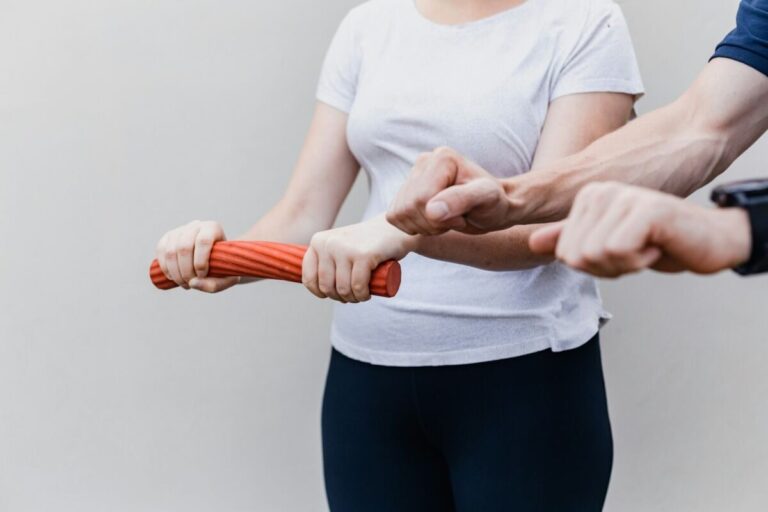
Understanding Papaya Enzyme For Joint Mobility
Stiffness often settles into our bodies as we move through different life stages. Many people search for natural ways to remain active and comfortable in their daily routines. Plants offer unique compounds that assist with how our systems manage internal stress.
Papain remains the primary focus when individuals look for specific fruit derived aids. This substance helps break down proteins and may provide support for those feeling restricted during simple movements. You might consider how these tropical resources fit into a broader lifestyle approach.
Papaya enzyme for joint mobility serves as a digestion aid that breaks down proteins to assist with internal comfort. Most individuals find success by consuming 500 to 1000 milligrams of standardized fruit extracts alongside a meal. These doses help ensure the compound remains active within the digestive tract to support systemic wellness.
Key Takeaways
- Studies from the National Institutes of Health highlight how plant proteases influence cellular recovery times.
- Typical supplemental ranges often fall between 500 mg and 1500 mg daily for those aiming to assist their flexibility.
- Tropical fruits contain high levels of vitamin C which contributes to 50 mg to 70 mg of daily intake per serving.
I started adding fermented fruit extracts to my morning routine last year. My ability to squat during gym sessions felt better within six weeks.
How Proteolytic Compounds Influence Physical Comfort
Proteolytic substances work by targeting proteins that might otherwise cause irritation in the body. When these proteins accumulate, they can create a feeling of tightness. This process keeps the internal environment balanced and fluid.
The Role Of Protein Breakdown
Your body relies on specific tools to manage protein debris. Papain acts like a chemical pair of scissors that cuts long protein chains into smaller pieces. This action makes it easier for your system to process these materials efficiently.
Biological Feedback Systems
Natural cycles govern how we recover after movement. By assisting these cycles with plant enzymes, you support your internal maintenance crews. This allows for better readiness when you head to the gym or walk in the park.
Standardizing Your Daily Enzyme Intake
Finding the right amount requires tracking how your body responds over several weeks. You should start small to see if your digestion handles the addition well. Consistency matters more than taking a large quantity all at once.
| Category | Typical Range | Frequency |
| Standard Extract | 500 mg to 1000 mg | Daily with meals |
| Fresh Fruit | 1/2 cup to 1 cup | Twice per week |
| Concentrated Powder | 1/4 teaspoon | As directed by label |
Selecting High Quality Tropical Supplements
Not all products on the shelf provide the same activity level. You want options that preserve the integrity of the raw material. Avoid products that use high heat during the manufacturing process as this destroys the delicate components.
- Cold Processed Options: These products retain more of their original potency. Cold processing prevents the breakdown of the active molecules before they reach your stomach.
- Standardized Potency: Look for labels that mention specific activity units like USP or FCC. These labels verify that the product contains enough material to perform its intended job.
- Pure Ingredients: Choose brands that avoid excessive fillers or artificial sweeteners. A clean product allows your body to absorb the necessary elements without distraction.
The Connection Between Digestion And Movement
Your gut health dictates much of your overall physical performance. When digestion functions poorly, the body struggles to allocate resources to other areas. Efficient nutrient uptake is a prerequisite for staying mobile.
Nutrient Absorption Factors
Enzymes help break down complex foods into absorbable building blocks. Without these, even a healthy diet might not provide the fuel required for daily activity. Proper absorption keeps your energy levels stable.
Systemic Inflammation Management
Inflammation acts as a natural signal during repair. However, excess signals can lead to discomfort. Natural enzymes help modulate these signals to keep your movement smooth and fluid.
Practical Steps For Incorporating Fruit Enzymes
You can easily add these tools to your current regimen without changing your life. Small adjustments yield the best long term results. Focus on timing your intake correctly for maximum impact.
- Morning Routines: Taking your supplement with a light breakfast jumpstarts your system. This timing helps with the metabolic processes that occur early in the day.
- Post Movement Recovery: Many people use these enzymes after a walk or swim. This helps address the physical load placed on your system during the activity.
- Consistent Monitoring: Keep a simple journal of your daily activity. Note how you feel in the morning versus the evening to see patterns emerge.
Scientific Foundations Of Tropical Proteases
Research from the National Institutes of Health provides context on how micronutrients support tissue integrity. While these studies often focus on general health, the implications for physical comfort remain clear. Plants provide compounds that humans have used for centuries to manage vitality.
Historical Use Of Papaya
Traditional cultures recognized the value of this tropical plant early on. They used the skin and the pulp to soothe various ailments. Modern science now quantifies these ancient observations through clinical observation.
Mechanisms Of Action
Proteases travel through the bloodstream after absorption. They seek out complexes that cause resistance in your movement. This targeted approach supports better freedom of motion across your major joints.
Demonstrating Your Daily Enzyme Calculation
You can calculate your intake needs based on your body weight and activity level. Start by determining your baseline supplement load. Adjust based on the results you observe over a thirty day period.
For example, a person weighing 150 pounds might start with 500 mg of protease per main meal. If they notice improvement in their flexibility after two weeks, they remain at that level. If they feel no change, they might increase to 750 mg per meal.
Always verify the total amount with the manufacturer instructions on the packaging. Do not exceed the suggested daily limits for the specific brand. Balancing these numbers creates a sustainable path for your wellness goals.
Frequently Asked Questions
Can these enzymes be taken on an empty stomach?
Taking enzymes on an empty stomach allows the compounds to enter your circulation without competing with food digestion. Many wellness coaches suggest this method for those focused on general tissue maintenance rather than just meal digestion.
You should wait at least one hour before or two hours after a meal to ensure optimal absorption. Watch for any signs of stomach irritation if you choose this approach as some people possess sensitive digestive linings.
Will these enzymes interact with my current supplements?
Most plant derived enzymes exist as natural components of a healthy diet. They typically do not interfere with other minerals or vitamins when taken in standard amounts. You should still review your full list of supplements to avoid any overlap.
Consult with a professional if you currently use blood thinners or other medication for clotting. These substances change how your body processes internal signals and might complicate your current plan.
How long does it take to see results?
Consistency usually leads to noticeable changes within four to eight weeks. Everyone has a unique biological makeup that dictates their response time to new supplements. You might feel a difference sooner if you focus on hydration and movement alongside the enzymes.
Do not expect an instant change after a single dose. Think of this as a long term project for your physical health rather than a quick fix for a single day. Stay patient as your body recalibrates its internal environment.
Are there specific side effects to monitor?
Most individuals tolerate these enzymes well when sticking to recommended doses. Some might experience mild gas or bloating as their system adapts to the increased protease activity. These sensations usually fade within a few days of starting the routine.
Stop usage if you notice persistent stomach pain or signs of an allergic reaction. Listen to your body and prioritize comfort over any rigid schedule. Your system will tell you if a specific dosage needs adjustment.
Can I get enough enzymes from fresh fruit alone?
Fresh fruit provides excellent nutrition but often contains varying enzyme levels. Ripening stages and soil quality influence the potency of the fruit you buy at the grocery store. Supplements offer a standardized way to ensure you receive a consistent amount.
Eating fresh fruit remains an excellent practice for your general health and fiber intake. Use supplements as an added tool rather than a replacement for whole foods. A balanced diet provides the foundation upon which these enzymes operate.
The Bottom Line
Supporting your body with papaya enzyme for joint mobility creates a solid foundation for daily activity. Focus on consistent intake and quality sourcing to get the most from these plant compounds. This simple habit helps you maintain your lifestyle goals for years. Consult a licensed healthcare provider before starting any new wellness routine.
This information is intended for educational purposes only. It is not suitable for individuals with latex allergies or those who are pregnant. Consult a licensed healthcare provider before starting any new wellness routine.
Get Your FREE Natural Health Guide!
Subscribe now and receive our exclusive ebook packed with natural health tips, practical wellness advice, and easy lifestyle changes, delivered straight to your inbox.