
Optimizing Nutrient Access Through Natural Ways To Increase Nutrient Delivery To Avascular Cartilage
Many of us feel the familiar stiffness in our knees or fingers when the weather shifts or after long periods of inactivity. This common sensation highlights the unique nature of our joints, which lack a direct blood supply to nourish their internal structures. Understanding how to support this area requires a focus on movement rather than blood flow alone.
Joint health relies heavily on the compression and release of cartilage tissue during daily activity. This rhythmic cycle functions like a sponge, drawing in fluids and essential compounds while simultaneously flushing out waste products. Without this mechanical pumping action, the interior structures struggle to maintain their resilience over time.
Individuals can use natural ways to increase nutrient delivery to avascular cartilage by prioritizing low impact movement and targeted hydration strategies. Consistent, gentle loading of the joints facilitates the diffusion of synovial fluid, which acts as the primary source of nutrition for these dense tissues. Focus on rhythmic, weight-bearing activities to keep the joints lubricated and nourished throughout the day.
Key Takeaways
- Synovial fluid provides the primary pathway for nutrient diffusion, relying on joint movement to circulate within the cavity.
- Compression cycles are essential, as studies from the National Institutes of Health suggest that cyclic loading promotes cartilage health.
- Hydration levels directly impact the viscosity of joint fluid, with proper water intake helping maintain optimal lubrication for tissue health.
Gentle Movement Strategies To Boost Cartilage Nutrition
- Controlled Walking: Taking short, frequent walks on flat surfaces creates the necessary compression to move fluid into cartilage zones.
- Water Aerobics: The buoyancy of water reduces gravitational stress while allowing for the repetitive joint cycles required for nutrient uptake.
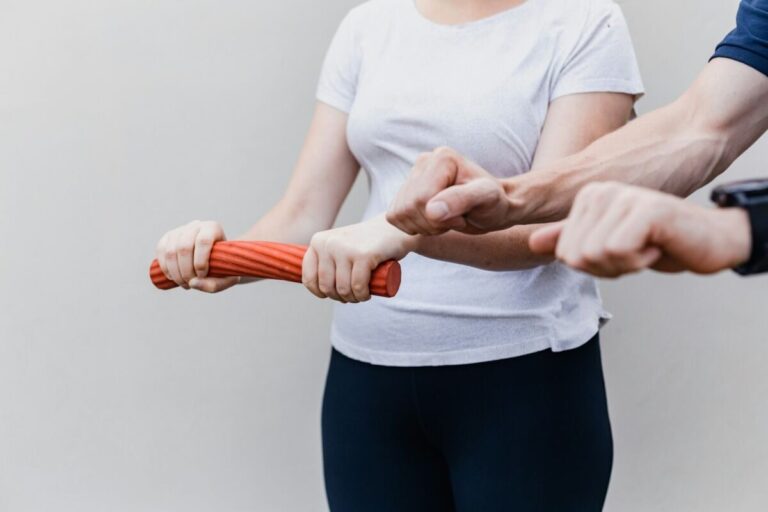
- Range Of Motion Work: Slow, deliberate joint rotations encourage the circulation of synovial fluid without causing undue strain on surrounding tissues.
Supporting Tissue Health With Dietary Cofactors
Building a foundation for healthy tissue requires more than just movement; it necessitates the presence of specific building blocks. While cartilage does not have blood vessels, it derives components from the surrounding fluid environment. Research published by the National Institutes of Health highlights the role of various nutrients in maintaining structural support.
| Nutrient Source | Primary Function | Usage Pattern |
|---|---|---|
| Collagen Peptides | Supports connective tissue | Daily consumption |
| Vitamin C | Assists structural formation | Regular intake |
| Omega Three Fats | Manages cellular environment | Consistent supply |
The Mechanics Of Joint Compression
Think of your joints as a specialized filtration system that requires regular activation to remain effective. When you apply weight, the cartilage compresses and forces older, waste-laden fluid out into the surrounding space. Upon releasing the pressure, the tissue expands and draws in fresh fluid rich in nutrients.
This dynamic process ensures that your joints receive a steady supply of what they need to function. If you remain immobile for long periods, this circulation slows down significantly. Maintaining a balance of light activity prevents the stagnation of synovial fluid and keeps the internal environment active.
Practical Barriers To Joint Nourishment
Consistency often suffers when discomfort prevents individuals from maintaining their movement routines. It is helpful to view movement as a tool for support rather than a rigorous athletic requirement. According to the National Institutes of Health, staying active is vital for long-term functional mobility.
Avoid the pitfall of assuming that rest is the best response to minor joint stiffness. Instead, aim for shorter, more frequent bursts of activity throughout the day. This keeps the joints lubricated without overwhelming them with intensity.
Frequently Asked Questions
How does water intake influence joint health?
Adequate water intake helps maintain the proper volume and viscosity of synovial fluid within the joint capsule. When the body is well hydrated, this fluid can move more freely across the cartilage surfaces during motion.
Dehydration may potentially lead to a thicker, less efficient fluid environment that hampers the transport of nutrients. Consistent water consumption throughout the day is a simple way to support this internal transport mechanism.
Can stationary cycling help improve cartilage nutrition?
Stationary cycling is an excellent method for facilitating the rhythmic compression required for nutrient diffusion. It allows for controlled, repetitive motion that keeps synovial fluid circulating without the jarring impact of running on hard surfaces.
Adjust the resistance levels to keep the intensity low and focused on smooth, continuous movement. This allows the joints to complete their compression cycles efficiently over an extended session.
What is the role of rest periods in joint maintenance?
Rest periods allow the joints to recover from the stress of activity and provide a window for the cartilage to rehydrate. While movement is essential for pumping nutrients in, the subsequent rest phase allows for the absorption process to stabilize.
Avoid sedentary habits that span several hours, as these limit the necessary circulation of nutrients. Balance periods of gentle motion with brief breaks to allow the tissues to absorb the fresh fluid they received during activity.
Why is low impact movement preferred for joint care?
Low impact movement focuses on sustaining the range of motion without causing excessive wear or stress on the joint structures. Activities like swimming or gentle yoga provide the benefits of compression and circulation while protecting the integrity of the cartilage.
High impact activities can sometimes create excessive stress that exceeds the structural capacity of the joints. Emphasizing lower intensity movements ensures that you can remain consistent without increasing the risk of discomfort.
Do ambient temperatures affect how joints feel?
Many individuals note that cold weather seems to correlate with increased joint stiffness, which may influence their desire to move. Cold air can cause the surrounding soft tissues to become less pliable, which may change the sensation of movement during activity.
Keeping the body warm and maintaining a consistent level of activity helps mitigate these effects. Staying active in a climate-controlled environment can ensure that you still receive the necessary movement to support your joints throughout the year.
The Bottom Line
Prioritizing consistent, low impact movement serves as the most effective strategy for nourishing joints. By mimicking a pump through rhythmic loading, you ensure that synovial fluid circulates and supports your long-term mobility.
Start your day with five minutes of gentle joint rotations or a short walk to initiate the process. Never stop or change any medication without consulting the provider who recommended it. Consult a licensed healthcare provider before starting any new wellness routine.
Get Your FREE Natural Health Guide!
Subscribe now and receive our exclusive ebook packed with natural health tips, practical wellness advice, and easy lifestyle changes, delivered straight to your inbox.