
Pumpkin Seeds for Zinc Metabolism: A Culinary and Nutritional Connection
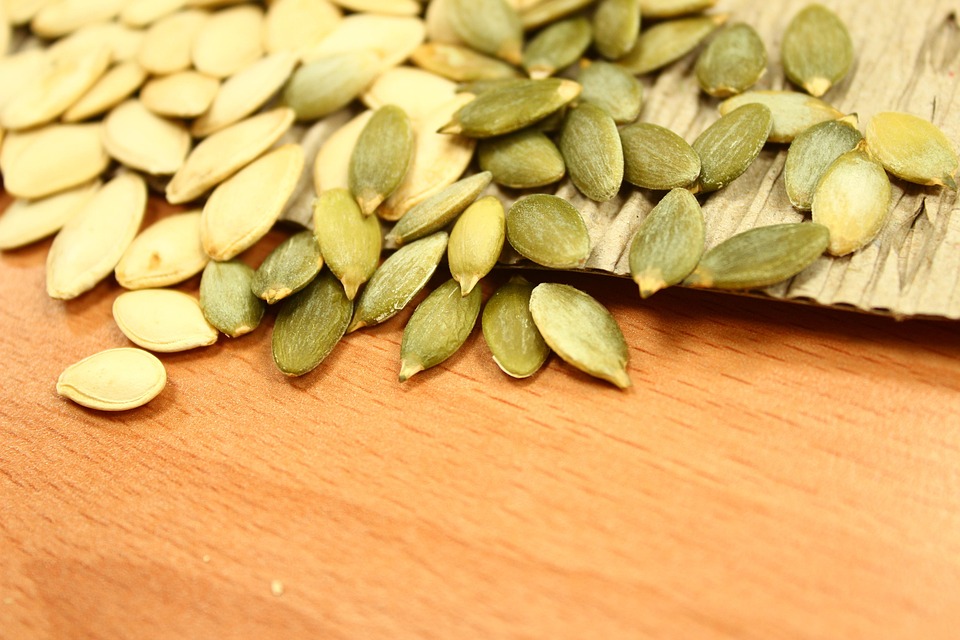
Pumpkin seeds, often overlooked as a simple snack, offer a fascinating intersection of culinary enjoyment and nutritional science. These small powerhouses provide a unique array of compounds that influence how your body engages with essential trace minerals.
Among these minerals, zinc stands out. It’s a fundamental element involved in numerous bodily processes, and pumpkin seeds contain both zinc itself and other components that can affect its usability.
Understanding this relationship allows us to appreciate pumpkin seeds beyond their satisfying crunch. It highlights their potential to contribute to a diet focused on overall well-being and a healthy mineral status.
The Historical Journey of Pumpkin Seeds and Human Nutrition
The history of pumpkin seeds as a dietary staple stretches back thousands of years. Indigenous cultures across the Americas revered pumpkins, not just for their flesh but also for their nutrient-dense seeds.
Evidence suggests ancient civilizations, including the Aztecs and Mayans, used pumpkin seeds for various purposes. They recognized their value as a sustained source of energy and nourishment, integrating them into daily diets.
These early uses highlight an intuitive understanding of the seeds’ beneficial properties. Without modern scientific tools, our ancestors observed and valued the general wellness benefits these seeds provided, ensuring their place in traditional food systems.
Traditional Uses and Recognition
- Ancestral Staple: Integral part of diets in ancient North and South America.
- Versatile Application: Used in meals, remedies, and ceremonial practices.
- Historical Insight: Valued for sustaining health and vitality over millennia.
Cultivation and Cultural Significance
As pumpkins were cultivated, their seeds became increasingly accessible. The ease of storage and high nutritional content made them an invaluable resource, especially in periods of scarcity.
This widespread adoption cemented their role in cultural heritage. Many traditional dishes and practices still feature pumpkin seeds, connecting contemporary consumption to ancient wisdom.
The journey from an ancient staple to a modern superfood underscores their enduring appeal and the consistent recognition of their health-supporting qualities.
Key Nutrients in Pumpkin Seeds and Their Influence on Zinc
Pumpkin seeds are a complex matrix of nutrients. While often celebrated for their zinc content, they also contain other compounds that can influence zinc’s presence and activity within the body.
These include healthy fats, proteins, fiber, and a variety of vitamins and antioxidants. This synergistic blend is what makes the whole food so powerful, rather than just isolated components.
It’s this comprehensive nutritional profile that supports the body’s natural processes, including aspects of mineral metabolism. People often discuss the rich array of these nutrients when considering diet choices.
Components Supporting Zinc Status
- Dietary Zinc: A notable source of the essential trace mineral itself.
- Magnesium: Contributes to general cellular function, often alongside zinc.
- Healthy Fats: Primarily unsaturated fatty acids, important for overall cellular health.
- Antioxidants: Carotenoids and vitamin E, offering protective cellular support.
The Role of Phytates and Their Mitigation
Pumpkin seeds, like many plant-based foods, contain compounds called phytates or phytic acid. These compounds can bind to minerals, including zinc, potentially affecting their bioavailability.
However, the impact of phytates isn’t always straightforward. Certain food preparation methods can reduce phytate levels, making minerals more accessible.
Soaking, sprouting, or fermenting seeds are traditional techniques that people use to alter the nutritional profile of many plant foods. These methods are often explored for enhancing mineral availability.
Enhancing Nutritional Value
To potentially minimize phytate impact, people often consider various preparation methods for pumpkin seeds. Soaking seeds overnight, for example, is a widely discussed practice.
After soaking, rinsing and gently drying the seeds, often at low temperatures, can also be part of the process. This helps preserve their delicate fats and other heat-sensitive nutrients.
These simple steps reflect traditional wisdom in preparing plant foods for optimal nutrient engagement. It's a gentle approach to food preparation.
Understanding Zinc’s Role in Human Physiology
Zinc is a crucial trace mineral, meaning the body needs it in relatively small amounts, but its functions are far-reaching. It influences a vast network of biochemical reactions.
This mineral is often discussed in the context of various cellular processes. It participates in enzyme activity and plays a role in maintaining cellular integrity.
People exploring general wellness often encounter discussions about zinc’s influence on the body’s natural systems, including immune response and cellular repair mechanisms.
Key Areas Where Zinc is Discussed
- Enzyme Function: Essential cofactor for hundreds of enzymes.
- Cellular Growth: Plays a part in normal cell division and development.
- Immune Response: Contributes to the body’s natural defense system.
- Sensory Perception: Influences taste and smell functions.
Research from the National Institutes of Health provides a comprehensive overview of zinc’s many physiological roles.
The Interplay: How Pumpkin Seeds Support Zinc Metabolism
When we talk about pumpkin seeds supporting zinc metabolism, we’re not just referring to their inherent zinc content. It’s about the broader environment they create within the body.
The fiber content, healthy fats, and other micronutrients in pumpkin seeds work in concert. This complex interaction can influence the general handling of minerals by the body.
People exploring dietary strategies for overall wellness often consider foods like pumpkin seeds for their holistic nutrient contributions. They don’t just add one nutrient, but many.
Mechanisms of Nutritional Contribution
Pumpkin seeds provide a readily available source of dietary zinc, which is fundamental. This direct contribution forms the basis of their role in supporting zinc status.
Furthermore, the presence of various antioxidants in pumpkin seeds helps maintain cellular environments. These conditions are generally supportive of metabolic pathways, including those involving minerals.
The healthy fats found in pumpkin seeds also contribute to a balanced diet. A well-rounded nutritional intake is always beneficial for the efficient operation of the body’s metabolic functions.
Digestive Health and Nutrient Absorption
The fiber in pumpkin seeds is also noteworthy. Dietary fiber is known to support digestive regularity, which is a foundational element for efficient nutrient absorption.
A healthy digestive system is generally better equipped to process and absorb nutrients from food. This indirect support can be just as significant as the direct nutrient contribution.
People looking to support their digestive health often include fiber-rich foods in their diet. Pumpkin seeds fit this description perfectly, offering both fiber and a range of micronutrients.
Here’s a comparison of nutritional aspects related to pumpkin seeds and zinc:
| Nutrient/Component | Role in Pumpkin Seeds | Influence on Zinc Metabolism |
|---|---|---|
| Zinc | Direct dietary source | Provides essential mineral for various functions |
| Phytic Acid | Naturally occurring plant compound | Can bind zinc; reduced by soaking/sprouting |
| Magnesium | Abundant in seeds | Supports overall cellular and enzymatic processes, often alongside zinc |
| Healthy Fats | Primarily unsaturated fatty acids | Contributes to cellular health and nutrient absorption context |
| Fiber | Significant dietary fiber content | Supports digestive regularity, potentially aiding nutrient uptake |
Practical Ways to Incorporate Pumpkin Seeds into Your Diet
Integrating pumpkin seeds into your daily meals is simple and versatile. Their mild, nutty flavor makes them an easy addition to a wide range of dishes, enhancing both taste and nutrition.
Consistency is key when aiming to support overall dietary wellness. Regular consumption of nutrient-dense foods like pumpkin seeds can be a foundational practice.
People looking for simple, natural ways to enhance their diet often find pumpkin seeds to be an excellent choice due to their ease of use and broad nutritional benefits.
Usage Instructions
Add a tablespoon of raw or lightly toasted pumpkin seeds to your morning oatmeal, yogurt, or smoothie. They provide a pleasant texture and a nutritional boost.
Sprinkle them over salads for an added crunch and a source of healthy fats and minerals. They pair well with both green salads and grain-based bowls.
Incorporate them into homemade granola bars or trail mixes for a convenient and energizing snack. This is an easy way to ensure consistent intake.
Common Misconceptions and Optimizing Consumption
While pumpkin seeds are highly beneficial, understanding common misconceptions helps optimize their use. It’s not about consuming vast quantities, but rather consistent, appropriate portions.
Some people may believe that consuming a large amount in one sitting provides immediate, dramatic effects. However, the body generally responds best to steady, moderate intake over time.
Focusing on overall dietary patterns, where pumpkin seeds are one component of a varied, nutrient-rich approach, is more effective for long-term wellness support.
Maximizing Nutritional Benefit
When selecting pumpkin seeds, opt for raw, unsalted varieties to avoid excessive sodium intake. Roasting them lightly at home allows for control over the process and prevents nutrient degradation from high heat.
Soaking and sprouting are traditional methods that some people choose to prepare their seeds. This can influence the seeds’ nutritional profile, as discussed earlier, potentially enhancing mineral availability.
Pairing pumpkin seeds with foods rich in vitamin C, like citrus fruits or bell peppers, may also be a consideration. Vitamin C is often discussed in relation to general mineral uptake.
Frequently Asked Questions
How do pumpkin seeds contribute to mineral balance?
Pumpkin seeds provide dietary zinc along with other minerals like magnesium and a host of vitamins. This blend supports general mineral status within the body, contributing to a balanced nutritional intake.
Can processing methods affect the nutrients in pumpkin seeds?
Yes, how pumpkin seeds are processed can influence their nutritional content. High-temperature roasting may degrade some delicate fats and heat-sensitive vitamins. Soaking and sprouting are often discussed for their potential to alter nutrient bioavailability, particularly for minerals.
Are there specific times to eat pumpkin seeds for better support?
There isn’t a single “best” time. Incorporating pumpkin seeds consistently throughout the day as part of meals or snacks is generally the most practical approach. Consistency in daily dietary habits tends to yield the most benefit for overall wellness.
What quantity of pumpkin seeds is generally recommended?
A typical serving is about one to two tablespoons daily. This amount provides a substantial nutritional contribution without overdoing calorie intake. As with any food, individual needs may vary, and a balanced diet is always the goal.
The Bottom Line
Pumpkin seeds are more than just a seasonal treat; they are a nutritional staple with a long history of human consumption. Their rich profile of zinc, healthy fats, fiber, and antioxidants positions them as a valuable food.
They contribute to overall dietary wellness by providing essential components that support various bodily functions, including aspects of zinc metabolism. It’s about embracing the synergy of whole foods.
This information is educational and not a substitute for medical advice. People with underlying conditions often work with a qualified healthcare professional for personalized guidance.
Make Them a Daily Habit
Consider making raw or lightly prepared pumpkin seeds a consistent part of your daily diet. Sprinkle them on your morning meal, add them to salads, or enjoy them as a satisfying snack. This simple addition can be a step towards a more nutrient-dense and supportive way of eating.
Get Your FREE Natural Health Guide!
Subscribe now and receive our exclusive ebook packed with natural health tips, practical wellness advice, and easy lifestyle changes, delivered straight to your inbox.