Crafting Your Ideal Pumpkin Spice Coffee Mix at Home
The autumn air brings a distinct shift in culinary desires. For many, this transition signals the return of warm, comforting flavors. Elevating daily coffee with a carefully blended pumpkin spice coffee mix has become a cherished ritual.
Achieving a truly exceptional pumpkin spice coffee experience goes beyond simply adding a pre-made powder. It requires an understanding of the individual spices, their aromatic compounds, and how they interact to create that signature fall profile. This guide explores the science and art behind creating a superior mix.
We’ll delve into the nuanced world of these seasonal spices, ensuring your homemade pumpkin spice coffee mix offers both authenticity and unparalleled flavor. People with underlying conditions often work with a qualified healthcare professional for personalized guidance on dietary changes. This information is educational and not a substitute for medical advice.
The Historical Roots of Fall Flavors
The spices we associate with pumpkin spice have a long and storied history, predating their modern seasonal association. Traders traversed continents for centuries, seeking out cinnamon, nutmeg, ginger, and cloves from distant lands. These spices were once luxury goods, coveted for their ability to preserve foods and transform simple meals.
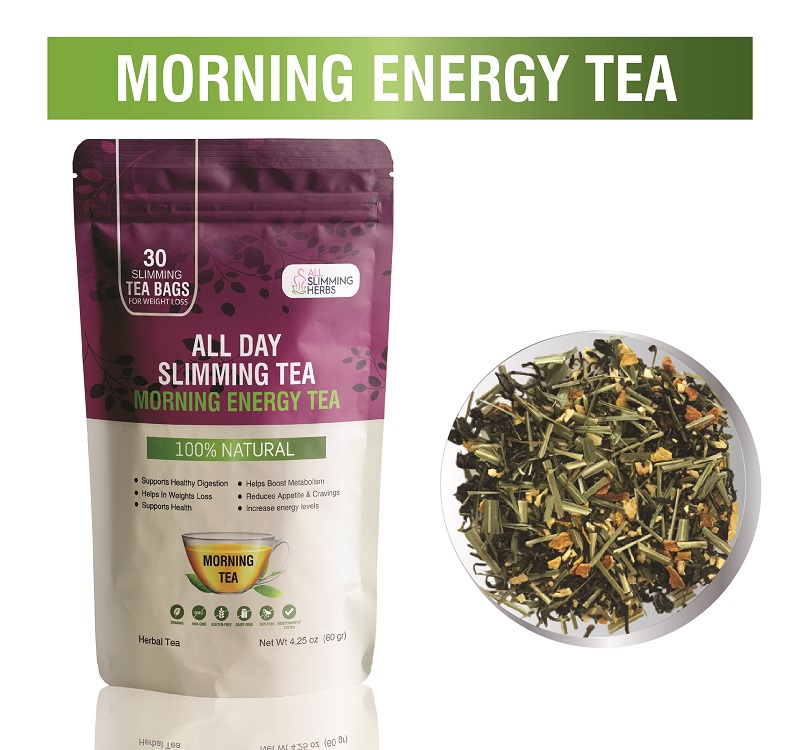
All Day Slimming Tea™ Herbal Routine
- Designed to gently support your body's natural metabolic rhythm throughout the day
- Helps maintain consistent daily vitality and steady physical balance
- Manufactured in a cGMP-compliant facility without relying on heavy coffee or synthetic stimulants
Their integration into Western cuisine grew steadily, becoming staples in kitchens across Europe and the Americas. The connection to fall and specific baked goods, particularly pumpkin pie, cemented their place in seasonal traditions. This blending of flavors became synonymous with harvest festivals and comforting home cooking.
The precise combination known today as “pumpkin spice” emerged from these historical culinary practices. It crystallized into a specific blend designed to enhance the flavor of pumpkin-based desserts. This blend then naturally transitioned into beverages, most notably coffee.
- Origin: Ancient trade routes, Southeast Asia, Spice Islands
- Early Use: Preservation, medicinal applications, flavoring agents
- Cultural Significance: Luxury goods, festive traditions
Historical Culinary Note: The early American colonists adopted many spice-heavy recipes from their European heritage, laying the groundwork for future seasonal blends.
Understanding the Sensory Science of Pumpkin Spice
The appeal of pumpkin spice lies in its complex aromatic profile, which engages multiple sensory pathways. Each individual spice contributes distinct volatile compounds that interact synergistically. These compounds trigger specific receptors in our olfactory system, sending rich flavor signals to the brain.
Cinnamon provides warmth and sweetness through cinnamaldehyde. Nutmeg adds a deeper, nutty base with myristicin. Ginger introduces a zesty, pungent kick with gingerols. Cloves contribute a potent, slightly woody note from eugenol, while allspice rounds out the blend with a harmonious combination of these elements.
The brain processes these combined signals, creating a perception of comfort, warmth, and nostalgia. This intricate interplay of aroma and taste is what makes a well-balanced pumpkin spice coffee mix so satisfying. The experience is both biochemical and deeply psychological, tying into seasonal memories.
- Flavor Perception: Olfactory and gustatory interaction
- Aromatic Compounds: Volatile organic compounds
- Sensory Impact: Comfort, warmth, seasonal association
Flavor Enhancement Strategy: Grinding whole spices just before use maximizes the release of these potent volatile compounds, intensifying the overall sensory experience.
Key Components of an Authentic Pumpkin Spice Coffee Mix
A true pumpkin spice blend isn’t merely a random assortment of warm spices. It’s a symphony of carefully proportioned ingredients, each playing a vital role. Understanding each component allows for greater control over the final flavor profile of your homemade pumpkin spice coffee mix.
Cinnamon: More Than Just Sweetness
Cinnamon is the backbone of any pumpkin spice blend, offering a characteristic warmth and sweetness. It comes primarily in two forms: Ceylon and Cassia. Ceylon cinnamon, often called “true” cinnamon, possesses a delicate, milder flavor. Cassia, more common in North America, delivers a bolder, spicier note.
The primary aromatic compound in cinnamon is cinnamaldehyde. This organic compound is responsible for cinnamon’s distinct aroma and flavor. Its presence creates a foundational warmth that complements the coffee’s inherent bitterness.
Beyond flavor, cinnamon has been discussed in general wellness circles for centuries. Its rich historical use spans various culinary and traditional health practices across different cultures.
- Primary Compound: Cinnamaldehyde
- Flavor Profile: Warm, sweet, woody, slightly pungent
- Traditional Use: Flavoring agent, aromatic in beverages and baked goods
Spice Integration Tip: Incorporate Ceylon cinnamon for a nuanced, less assertive flavor profile in your mix, or Cassia for a more pronounced warmth.
Nutmeg: The Earthy Aromatic Core
Nutmeg provides an essential earthy and nutty foundation to the pumpkin spice blend. It offers a distinct sweetness and a subtle peppery undertone that deepens the overall flavor. The best nutmeg is always freshly grated, releasing its full aromatic potential.
Its primary active compound is myristicin, which contributes significantly to its unique aroma. This compound, along with others, gives nutmeg its warm, somewhat bittersweet character. It acts as a bridge between the bolder notes of cinnamon and clove.
Nutmeg has long been prized in various culinary traditions for its ability to add depth and complexity. Its aromatic qualities are often associated with comfort foods and seasonal dishes.
- Primary Compound: Myristicin
- Flavor Profile: Nutty, warm, slightly sweet, earthy
- Traditional Use: Aromatic seasoning in desserts, beverages, and savory dishes
Preparation Note: Freshly grating whole nutmeg provides a significantly more vibrant and complex aroma compared to using pre-ground nutmeg.
Ginger: The Zesty Undertone
Ginger introduces a bright, pungent, and slightly spicy counterpoint to the sweetness of other spices. It prevents the blend from becoming cloyingly sweet, adding a refreshing zest. The use of dried, ground ginger is typical for spice mixes.
The compounds responsible for ginger’s characteristic flavor are gingerols and shogaols. Gingerols impart fresh ginger’s zing, while shogaols, formed during drying, contribute to its spicier notes. This duality adds complexity to the mix.
Historically, ginger has been a widely used spice in many cuisines globally. Its warming properties are often discussed in traditional wellness practices.
- Primary Compound: Gingerols, Shogaols
- Flavor Profile: Pungent, spicy, fresh, slightly sweet
- Traditional Use: Flavor enhancement in beverages, baked goods, and main courses
Flavor Layering Method: A judicious amount of dried ginger powder provides a subtle warming sensation and a gentle counterpoint in your pumpkin spice coffee mix.
Cloves: Aromatic Depth and Pungency
Cloves offer an intense, pungent, and sweet aroma that is indispensable to a robust pumpkin spice blend. Their strong flavor requires careful moderation to avoid overpowering the other spices. A little goes a long way with this potent spice.
The dominant aromatic compound in cloves is eugenol. Eugenol provides cloves with their distinctive, warm, and somewhat medicinal scent and taste. This powerful compound makes cloves a key player in creating aromatic depth.
Cloves have been valued for millennia, not only for their flavor but also for their strong aromatic presence. They feature prominently in festive and comforting food preparations worldwide.
- Primary Compound: Eugenol
- Flavor Profile: Strong, sweet, pungent, woody
- Traditional Use: Potent aromatic in culinary applications, traditional remedies
Blend Ratio Guidance: Use cloves sparingly to prevent them from dominating and creating an imbalance in your pumpkin spice coffee mix.
Allspice: The Harmonizer
Allspice, despite its name, is a single spice derived from the dried berries of the *Pimenta dioica* tree. It earned its name because its flavor profile is said to resemble a combination of cloves, nutmeg, and cinnamon. It acts as a natural harmonizer in the blend.
Its primary aromatic compounds include eugenol and methyl eugenol, similar to cloves but with a unique balance. This combination contributes to its complex and rounded flavor. Allspice can tie together the individual notes of the other spices.
This spice is a traditional component in various Caribbean and Central American cuisines, but its versatile profile has found a home in many seasonal blends globally. Research from the USDA shows its complex makeup.
- Primary Compound: Eugenol, methyl eugenol
- Flavor Profile: Combines notes of clove, nutmeg, and cinnamon
- Traditional Use: Versatile seasoning in various cuisines, often in baking
Flavor Balance Strategy: Allspice can bridge the flavor gaps between the individual spices, creating a more cohesive and well-rounded pumpkin spice coffee mix.
Creating Your Own Pumpkin Spice Coffee Mix
Crafting a homemade pumpkin spice coffee mix offers unparalleled control over freshness, quality, and flavor customization. Store-bought mixes often contain anti-caking agents, added sugars, or artificial flavors that detract from the authentic spice experience. Making your own ensures purity.
Starting with whole spices and grinding them yourself unlocks a higher intensity of flavor and aroma. This freshness makes a noticeable difference in the final cup of coffee. You can also adjust the ratios of each spice to perfectly match your personal preference.
The process is simple and rewarding, transforming common kitchen ingredients into a potent, aromatic blend. This allows for a truly personalized and superior coffee experience. This personal touch ensures your coffee stands out.
- Ingredient Quality: Control over freshness and purity
- Customization: Tailor spice ratios to personal taste
- Avoid Additives: No anti-caking agents or artificial flavors
Preparation Principle: Prioritize fresh, high-quality spices to achieve the most vibrant and authentic flavor in your homemade mix.
Homemade Dry Spice Blend Recipe
A well-balanced dry pumpkin spice mix provides a consistent flavor base for all your fall beverages and baking. This recipe offers a classic starting point, easily adaptable to your taste. Measure your spices carefully for the best results.
Combine two parts ground cinnamon with one part ground nutmeg and one part ground ginger. Then, add half a part of ground cloves and half a part of ground allspice. Stir all ingredients thoroughly until uniformly blended.
For example, if you use two tablespoons of cinnamon, you would use one tablespoon each of nutmeg and ginger, and half a tablespoon each of cloves and allspice. This ratio creates a classic, harmonious blend.
- Cinnamon: 2 parts (e.g., 2 tablespoons)
- Nutmeg: 1 part (e.g., 1 tablespoon)
- Ginger: 1 part (e.g., 1 tablespoon)
- Cloves: 1/2 part (e.g., 1/2 tablespoon)
- Allspice: 1/2 part (e.g., 1/2 tablespoon)
Storage Recommendation: Store this dry mix in an airtight container away from light and heat to preserve its potency and aromatic compounds for several months.
Incorporating Your Mix into Coffee
There are several effective ways to infuse your coffee with the delightful flavors of your homemade pumpkin spice coffee mix. The method you choose can influence the intensity and texture of your final beverage. Experiment to find your preferred technique.
Adding the spice mix directly to your coffee grounds before brewing allows the flavors to meld during the brewing process. For a quick addition, stirring the mix directly into a hot cup of coffee works well, though it may leave a slight sediment. Creating a liquid syrup concentrate is another popular method for ease of use.
Whichever approach you choose, consistent integration ensures a flavorful and aromatic cup. The key is to thoroughly mix the spices with the coffee to allow for proper flavor extraction.
- Into Grounds: Add 1/2 to 1 teaspoon per pot of coffee before brewing.
- Directly into Cup: Stir 1/4 to 1/2 teaspoon into hot coffee or espresso shots.
- Syrup Infusion: Combine with sweetener and a small amount of water to make a spiced syrup.
Application Method: Adjust the quantity of your pumpkin spice coffee mix based on personal taste preference, the type of coffee, and the volume of liquid.
Common Pitfalls When Making Pumpkin Spice Coffee
While making your own pumpkin spice coffee mix is straightforward, certain mistakes can diminish the experience. Awareness of these common pitfalls ensures a more consistently delicious result. Avoiding these issues helps maintain flavor balance.
One frequent error is over-spicing, particularly with strong flavors like cloves or ginger. This can overwhelm the coffee’s natural notes, leading to an unbalanced and sometimes bitter taste. Proper measurement is crucial to prevent this.
Another pitfall involves using old or low-quality spices. Spices lose their potency and aroma over time, resulting in a bland and uninspiring coffee. Always ensure your spices are fresh and vibrant. Lastly, improper mixing can lead to uneven flavor distribution or a gritty texture.
- Flavor Imbalance: Overpowering with too much of one spice.
- Stale Spices: Using old, low-potency spices.
- Sediment Issues: Insufficiently dissolving spices in liquid.
Refinement Strategy: Start with smaller amounts of your pumpkin spice coffee mix and gradually increase until you reach your desired flavor intensity, tasting as you go.
The Difference Quality Makes in Your Spice Selection
The quality of the individual spices in your pumpkin spice coffee mix directly impacts the final taste and aroma of your beverage. Investing in superior spices is a simple way to elevate your coffee from ordinary to extraordinary. This attention to sourcing enhances the experience significantly.
Whole spices, freshly ground, offer a far richer and more complex aromatic profile than pre-ground varieties. The volatile oils responsible for flavor begin to dissipate quickly once a spice is ground. Buying whole spices and grinding them at home preserves these precious compounds.
Additionally, the origin and processing of spices play a role in their quality. Seek out reputable sources that prioritize ethical sourcing and proper drying methods. These practices contribute to more vibrant and potent spices, which in turn create a more flavorful pumpkin spice coffee mix.
- Whole Spices: Superior aroma and flavor preservation.
- Grind Freshness: Maximizes volatile oil release.
- Sourcing: Impact on potency and purity.
Quality Enhancement Protocol: Purchase whole spices whenever possible and use a dedicated spice grinder to prepare them just before blending or use.
Comparative Table of Pumpkin Spice Elements
Understanding the unique contributions of each spice within the blend enhances your ability to customize your pumpkin spice coffee mix. This table summarizes key characteristics.
| Spice | Dominant Flavor Notes | Primary Aromatic Compound |
|---|---|---|
| Cinnamon | Sweet, warm, woody | Cinnamaldehyde |
| Nutmeg | Nutty, warm, slightly sweet | Myristicin |
| Ginger | Pungent, spicy, fresh | Gingerols |
| Cloves | Strong, sweet, pungent | Eugenol |
| Allspice | Clove, nutmeg, cinnamon notes | Eugenol, Methyl Eugenol |
Frequently Asked Questions
What is the ideal ratio for a homemade pumpkin spice coffee mix?
A good starting point involves using two parts cinnamon to one part each of nutmeg and ginger, with half parts of cloves and allspice. Adjusting these ratios allows for personalized flavor customization, catering to individual preferences for warmth or sweetness.
Can I use fresh spices instead of ground for my coffee mix?
Absolutely. Grinding whole spices like cinnamon sticks, nutmeg, or cloves just before use provides a significantly more potent and aromatic profile. This method enhances the depth of your pumpkin spice coffee mix and is often preferred for superior flavor.
How long does homemade pumpkin spice mix stay fresh?
When stored in an airtight container away from direct sunlight and heat, a dry pumpkin spice mix generally maintains peak potency for about six months. Its aromatic strength diminishes gradually over time, so using it within this timeframe is recommended for best flavor.
Should I add sugar to my homemade pumpkin spice coffee mix?
It is generally best to keep the dry spice mix unsweetened. This allows you to add sweetener to your coffee independently, controlling the sweetness level in each cup. Some people prefer to make a spiced syrup for combined sweetness and spice.
The Bottom Line
Elevating your coffee with a carefully crafted pumpkin spice coffee mix transforms a simple beverage into a rich, aromatic experience. Understanding the individual spices and their unique contributions allows for complete control over flavor and freshness. This intentional approach ensures every cup delivers a truly satisfying taste, connecting you more deeply with the comforting essence of fall.
Consider experimenting with different spice ratios and grinding your own whole spices to discover your perfect fall flavor profile, enhancing your daily ritual with pure, vibrant aromas.
Get Your FREE Natural Health Guide!
Subscribe now and receive our exclusive ebook packed with natural health tips, practical wellness advice, and easy lifestyle changes, delivered straight to your inbox.