Enhancing Your Rest: The Role of Earplugs for Sleep Quality
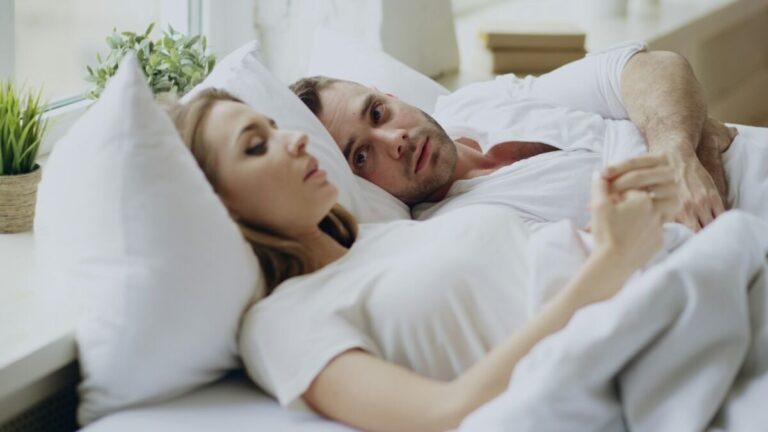
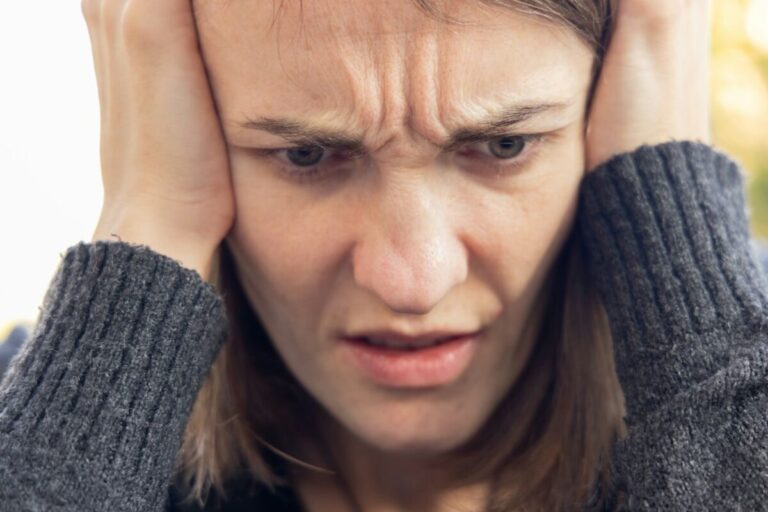
Achieving truly restorative sleep often depends on creating an optimal environment. Unwanted noise stands as a primary disruptor, capable of fracturing sleep cycles and diminishing overall sleep quality. Even sounds that do not fully awaken you can still pull you from deeper stages of sleep.
Earplugs offer a straightforward, non-pharmacological solution to this pervasive challenge. By significantly reducing auditory input, they help foster a quieter space conducive to uninterrupted rest. Integrating high quality earplugs for sleep quality into your nightly routine can profoundly change your rest experience.
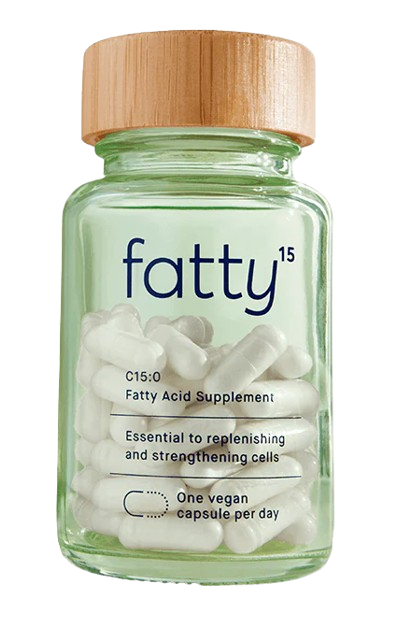
fatty15™ C15:0 Essential Fatty Acid
- Science-backed, pure C15:0 supplement designed to provide foundational support for cellular health
- Promotes balanced metabolism, steady daily energy, and healthy aging from the inside out
- Vegan-friendly, pure, and manufactured in a cGMP-compliant facility
This guide explores the science behind noise disruption and how earplugs function to create a more serene sleep sanctuary. It provides detailed insight into selecting the right type and using them effectively for sustained benefits. Understanding these elements empowers you to make informed decisions for better rest.
Understanding Noise and Its Impact on Sleep Architecture
The human auditory system remains active even during sleep, constantly processing sounds from the surrounding environment. This continuous monitoring serves as an evolutionary protective mechanism, alerting us to potential threats. However, in modern life, this vigilance often works against our need for deep rest.
Any sound exceeding approximately 30 decibels a rustling leaf is about 20 dB can trigger changes in sleep stages, heart rate, and brain activity. These physiological responses occur even if you do not consciously remember waking up. The body still registers the disturbance, preventing it from fully descending into the deepest, most restorative phases of sleep.
These frequent, subtle awakenings fragmentation events disrupt the natural progression through sleep cycles. Each cycle typically includes stages of light sleep, deep sleep (slow-wave sleep), and REM sleep. Fragmented sleep means the brain does not spend enough time in slow-wave sleep, which is critical for physical recovery, and REM sleep, vital for cognitive processing and emotional regulation.
- Noise Threshold: Sounds above 30 dB can interrupt sleep.
- Physiological Impact: Increased heart rate, altered brain waves, sleep stage shifts.
- Sleep Fragmentation: Frequent, brief awakenings reducing deep and REM sleep.
- Long-Term Effects: Potential for chronic fatigue, impaired concentration, mood disturbances.
Optimizing Auditory Environment
Prioritizing sound reduction establishes a foundation for robust sleep.
How Earplugs Function: The Science of Sound Attenuation
Earplugs operate on the fundamental principle of sound attenuation, which is the reduction of sound intensity. They achieve this by creating a physical barrier within the ear canal that blocks or dampens sound waves before they reach the eardrum. The effectiveness of an earplug is measured by its Noise Reduction Rating (NRR).
Different materials and designs achieve this attenuation through varying mechanisms. Some earplugs absorb sound energy, converting it into minimal heat. Others reflect sound waves away from the ear canal. The goal is to isolate the eardrum from airborne vibrations, significantly lowering the perceived volume of external noises.
The ear canal itself is a complex structure, and a proper seal is paramount for effective noise reduction. Gaps or poor fit allow sound waves to bypass the earplug, compromising its performance. This emphasizes the importance of selecting earplugs that conform well to the unique contours of an individual’s ear.
- Mechanism: Physical barrier to sound waves.
- Measurement: Noise Reduction Rating (NRR).
- Energy Conversion: Absorbing or reflecting sound.
- Critical Factor: Creating a tight, consistent seal in the ear canal.
Ensuring Proper Seal
Confirming a snug fit prevents sound leakage and maximizes attenuation.
Exploring Different Types of Earplugs for Optimal Rest
The market offers a diverse array of earplug types, each with distinct characteristics regarding material, comfort, and noise reduction capabilities. Understanding these differences helps in selecting the most suitable option for personal sleep needs. Material properties play a significant role in their performance and feel.
Foam earplugs are widely available and economical. They are typically made from soft, disposable polyurethane or PVC foam that you roll, insert, and allow to expand within the ear canal. Their porous structure helps absorb sound, providing a good level of noise reduction. They are generally considered comfortable for side sleepers due to their pliable nature.
Silicone earplugs come in two main forms: moldable and flanged. Moldable silicone earplugs are often putties that form a custom seal over the ear canal opening, rather than inserting deep inside. Flanged silicone earplugs are pre-formed with multiple rings or lamellae that create a seal within the canal. Both types are reusable and offer good durability, with flanged options providing higher NRRs.
Wax earplugs are another moldable option, offering a comfortable, customized fit. They are made from a blend of wax and cotton, designed to soften with body heat and conform to the outer ear canal. Like moldable silicone, they sit at the entrance of the canal, providing a gentle seal that many find less intrusive than foam or flanged designs. These are generally very comfortable.
Custom molded earplugs represent the premium option. These are often made by an audiologist who takes an impression of your ear canal, ensuring a perfect, personalized fit. While more expensive, they offer the highest levels of comfort and noise reduction, making them ideal for individuals with specific needs or chronic noise exposure.
| Earplug Type | Material | Key Benefit | Noise Reduction (NRR Avg.) | Reusability |
|---|---|---|---|---|
| Foam | Polyurethane/PVC | Affordable, soft, disposable | 28-33 dB | Single use |
| Moldable Silicone | Silicone putty | External seal, gentle fit | 20-25 dB | Reusable (multiple uses) |
| Flanged Silicone | Pre-formed silicone | Deep seal, durable | 25-30 dB | Reusable (long-term) |
| Wax | Wax/Cotton blend | Soft, conforms to ear shape | 20-25 dB | Reusable (multiple uses) |
| Custom Molded | Medical-grade silicone | Perfect fit, maximum attenuation | 30-35+ dB | Reusable (years) |
Selecting Appropriate Materials
Choose a material based on comfort preference, noise level, and desired reusability.
Choosing the Right Earplugs: Key Considerations for Comfort and Efficacy
Selecting the ideal earplugs involves more than just picking any pair off a shelf. Factors like Noise Reduction Rating, fit, material comfort, and personal sleeping habits significantly influence their effectiveness and your overall satisfaction. A poor choice can lead to discomfort, skin irritation, or insufficient noise blocking.
The Noise Reduction Rating (NRR) indicates how much sound an earplug can block, measured in decibels. For sleep, a higher NRR is generally desirable, particularly in noisy environments. However, very high NRR earplugs can sometimes create a sensation of intense isolation, which some individuals might find disorienting. Balancing sufficient noise blocking with a comfortable level of quiet is key.
Fit and comfort are paramount for nightly use. Earplugs that are too large can exert uncomfortable pressure on the ear canal, causing soreness. Those that are too small may not form an effective seal, rendering them useless for noise reduction. The ear canal is uniquely shaped for each person, so finding the right size and design is often an iterative process.
Consider the material. Foam earplugs are soft and moldable, often preferred by side sleepers for their minimal bulk. Silicone and wax options can provide a gentler, external seal that some find less invasive. Reusability and hygiene are also practical aspects, as disposable options offer convenience while reusable ones require regular cleaning.
Your specific noise environment also dictates choice. If you live in a quiet area with only occasional mild disturbances, a lower NRR earplug might suffice. For urban dwellers, shift workers, or those sensitive to even minor sounds, a higher NRR and a more robust seal are typically necessary to ensure truly deep sleep. Information on sleep health, including factors like environmental noise, is readily available from resources like the National Institute of Neurological Disorders and Stroke.
- NRR Level: Match noise reduction to your environment.
- Fit: Crucial for both comfort and noise blocking.
- Material: Consider foam, silicone, or wax for varying sensations.
- Sleeping Position: Side sleepers often prefer softer, less obtrusive designs.
- Hygiene: Disposable versus reusable options and cleaning requirements.
Personalized Selection Method
Experiment with several types to discover the best combination of noise reduction and comfort for your unique needs.
Proper Usage and Maintenance for Longevity and Hygiene
Effective earplug use extends beyond simply inserting them. Correct application ensures maximum noise reduction and prevents potential ear irritation or infection. Consistent maintenance also prolongs the lifespan of reusable earplugs and maintains their hygienic integrity. Ignoring these steps can undermine their benefits.
For foam earplugs, begin by rolling the entire earplug into a thin, creaseless cylinder. Reach over your head with the opposite hand and pull your ear upward and outward to straighten the ear canal. Quickly insert the rolled earplug deep into the ear canal, holding it in place until it fully expands and creates a seal. This technique maximizes its noise blocking capabilities.
Reusable earplugs, such as those made from silicone or wax, require regular cleaning. After each use, gently wash them with mild soap and warm water. Ensure they are completely dry before storing them in a clean, dry case to prevent bacterial growth. Avoid harsh chemicals or abrasive materials, which can degrade the earplug material.
Replacing earplugs at appropriate intervals is also important. Disposable foam earplugs should be discarded after one or a few uses, especially if they become dirty or lose their elasticity. Reusable silicone or wax earplugs should be replaced when they show signs of wear, such as cracking, stiffness, or difficulty forming a seal.
- Insertion Technique: Roll, pull ear, insert deep, hold until expanded.
- Cleaning Reusable Plugs: Wash with mild soap and warm water, air dry.
- Storage: Keep in a clean, dry case when not in use.
- Replacement Schedule: Dispose of foam after limited uses, replace reusable when worn.
Optimizing Earplug Efficacy
Adhere to proper insertion and maintenance routines to maximize performance and safety.
Common Misconceptions About Earplug Use for Sleep
Despite their widespread use, several misunderstandings about earplugs persist. Addressing these common myths helps individuals make more informed decisions and overcome potential hesitations regarding their use for sleep enhancement. Clear information can alleviate concerns and encourage proper integration.
One prevalent misconception is that earplugs are only for extremely loud environments. In reality, even low levels of consistent background noise, like distant traffic or a humming appliance, can compromise sleep quality. Earplugs provide benefit in a range of environments, from moderately noisy apartments to quiet bedrooms needing absolute silence. They are a tool for creating a personal sound haven, not just for extreme situations.
Another common belief is that earplugs are inherently uncomfortable or painful. While some individuals may experience initial discomfort adapting to a foreign object in their ear canal, this is often due to improper fit or material choice. With the variety of types and sizes available, finding a comfortable pair is highly achievable. Many find foam or moldable options to be quite gentle.
Concerns about not hearing important sounds, such as an alarm clock or a smoke detector, also arise. Most earplugs do not completely block all sound. They attenuate it, reducing its intensity. A loud alarm or smoke detector siren will still be audible, though perhaps muffled, allowing for necessary alerts to be heard while minimizing regular sleep disruptions. It is wise to test this in a safe setting initially.
Lastly, some people worry about developing an unhealthy dependence on earplugs or that their ears will become “weaker” without noise. There is no evidence to support these claims. Using earplugs for sleep is a lifestyle choice that supports a healthy sleep environment. It does not alter your auditory system’s function or create physical dependence, rather it helps your brain attain deeper rest.
- Use Case: Not just for extreme noise, beneficial for moderate disturbances too.
- Comfort: Discomfort often relates to poor fit or material choice, not inherent design.
- Safety Concerns: Important alerts like alarms are typically still audible.
- Dependence: No evidence of physical dependence or weakening of hearing.
Dispelling Earplug Myths
Understand the practical realities of earplug use to integrate them confidently into a sleep routine.
Beyond Earplugs: A Holistic Approach to Restful Sleep
While earplugs significantly contribute to a peaceful sleep environment, they are one component of a broader strategy for optimal rest. Combining earplug use with other supportive practices can amplify their benefits, fostering truly restorative sleep. A comprehensive approach addresses multiple factors that influence sleep quality.
Establishing a consistent sleep schedule is fundamental. Going to bed and waking up at the same time each day, even on weekends, helps regulate your body’s natural circadian rhythm. This regularity cues your body for sleep, making it easier to fall asleep and wake up refreshed. Consistency reinforces the body’s internal clock.
Creating a conducive bedroom environment extends beyond noise reduction. Ensure your room is dark, cool, and comfortable. Block out light with blackout curtains, keep the thermostat set to a slightly cooler temperature typically between 60-67 degrees Fahrenheit, and invest in comfortable bedding. These elements combine to signal to your body that it is time to rest.
Mindful evening routines also play a crucial role. Engaging in relaxing activities before bed, such as reading, taking a warm bath, or practicing gentle stretches, can prepare your mind and body for sleep. Avoid stimulating activities like screen time, heavy meals, or intense exercise close to bedtime, as these can elevate alertness and hinder sleep onset.
Diet and movement also factor into sleep quality. People with underlying conditions often work with a qualified healthcare professional for personalized guidance regarding their sleep patterns. This information is educational and not a substitute for medical advice. Managing stress through techniques like meditation or deep breathing further supports calm and readiness for sleep.
- Sleep Schedule: Maintain consistency, even on weekends.
- Bedroom Environment: Dark, cool, and comfortable settings.
- Evening Routine: Incorporate relaxing activities; avoid stimulants.
- Overall Wellness: Consider diet, exercise, and stress management.
Integrated Sleep Strategy
Combine earplug use with consistent sleep hygiene practices for enhanced rest.
Frequently Asked Questions
Do earplugs hurt your ears?
Most earplugs should not cause pain if properly inserted and sized. Discomfort often arises from earplugs that are too large, pushed in too forcefully, or from poor material choice. Trying different types, like softer foam or moldable wax, and ensuring correct insertion technique can resolve most discomfort issues.
Can I wear earplugs every night?
Yes, it is generally safe to wear earplugs every night. Millions of people use them regularly to improve sleep quality without issues. The primary considerations are hygiene for reusable earplugs to prevent infection, and ensuring they do not cause irritation from prolonged pressure. Replace them as they wear out.
Will I still hear my alarm clock with earplugs in?
In most cases, a loud alarm clock will still be audible with earplugs. Earplugs reduce sound intensity; they do not create absolute silence. The loudness of the alarm and the NRR of the earplugs determine how muffled it sounds. It is always wise to test your alarm with earplugs on before relying on them completely for an important wake-up time.
Are earplugs bad for ear health?
When used correctly and hygienically, earplugs are not considered bad for ear health. Improper or unhygienic use, such as inserting dirty earplugs, can potentially introduce bacteria, leading to ear infections. Ensure proper cleaning for reusable plugs and discard disposable ones promptly.
The Bottom Line
Achieving truly restorative sleep is a cornerstone of overall wellness, and a quiet environment plays an indispensable role. Earplugs offer a practical, effective, and accessible solution to mitigate noise disruption, supporting deeper, more consistent sleep cycles. By understanding the different types, selecting the right fit, and adhering to proper usage and hygiene, you can significantly enhance your nightly rest. Take the step to evaluate your current sleep environment and explore how effective noise reduction can transform your sleep experience.
Get Your FREE Natural Health Guide!
Subscribe now and receive our exclusive ebook packed with natural health tips, practical wellness advice, and easy lifestyle changes, delivered straight to your inbox.