
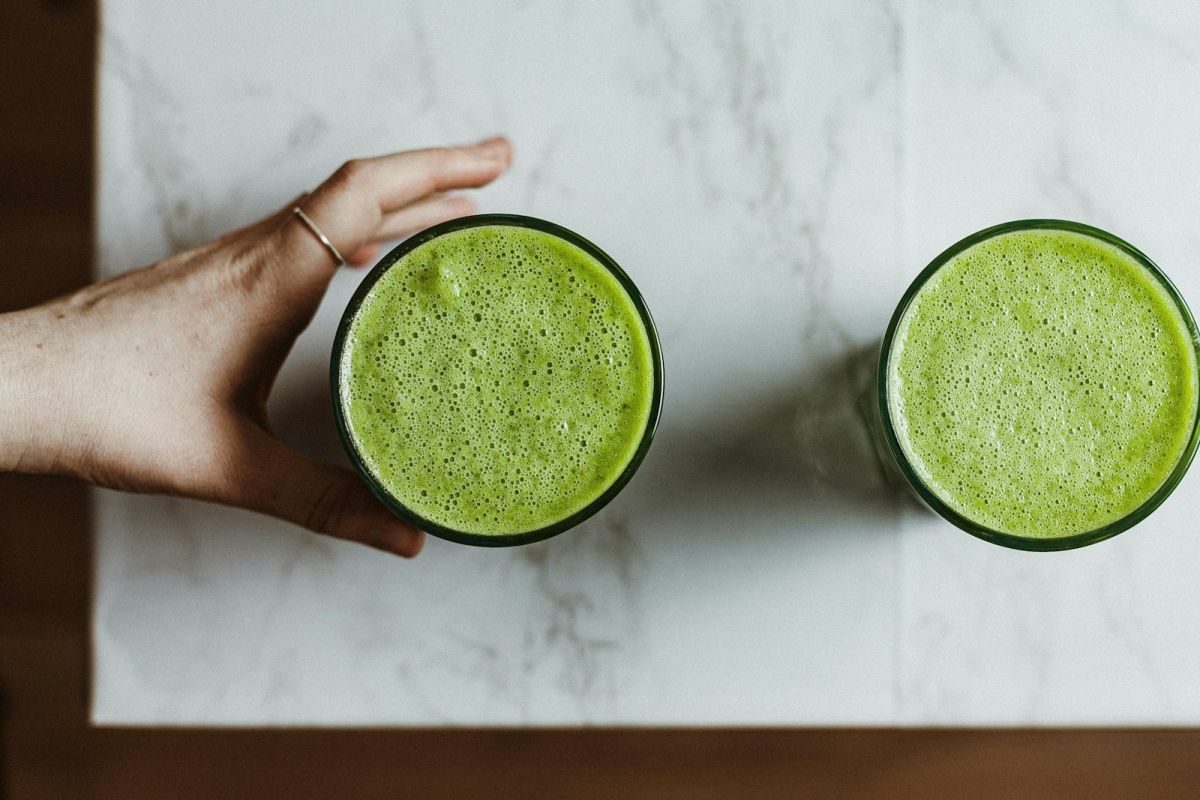

Elevating Wellness: The Synergy of Moringa Juice with Lemon
The quest for sustained vitality often leads us to botanical allies. Among these, moringa stands out for its profound nutrient density, a characteristic recognized across diverse traditional wellness practices.
Pairing moringa with the bright, acidic zest of lemon creates more than just a refreshing beverage. This combination offers a straightforward way to support daily wellness, bringing together compounds that enhance overall physiological balance.
This guide explores the foundational aspects of creating and integrating moringa juice with lemon into your routine. We examine the individual merits of each ingredient and explain how their combined presence can complement a health conscious lifestyle.
The Ancient Pedigree of Moringa oleifera
Moringa, often called the “miracle tree,” boasts a history stretching back millennia. Traditional systems of medicine, particularly Ayurveda in India and various African and Asian folk practices, have long prized its leaves, pods, flowers, and seeds for their perceived wellness attributes.
Indigenous communities recognized moringa’s resilience and its ability to thrive in challenging environments. They incorporated it into daily meals and traditional preparations, understanding its value in supporting overall strength and comfort.
The plant’s widespread cultivation across tropical and subtropical regions speaks to its adaptable nature and the broad cultural acceptance of its general health-supporting properties.
- Geographic Origins: Northern India, cultivated globally.
- Traditional Uses: Valued for general nutrition, promoting a sense of well-being, and supporting daily functions.
- Key Historical Insight: Documented in ancient texts for its comprehensive plant components.
Cultivation and Harvesting
Moringa is a fast growing, drought resistant tree. Its leaves are ready for harvest within months of planting, a factor contributing to its historical significance as a readily available, nutrient rich food source.
Unpacking the Nutritional Powerhouse: Moringa’s Biochemical Profile
Moringa leaves are a botanical repository of various compounds. These include a spectrum of vitamins, minerals, and plant based compounds that contribute to its celebrated reputation.
Within its cellular structure, moringa contains various classes of phytochemicals. These naturally occurring compounds are often discussed for their potential roles in supporting human physiology, though specific clinical claims require professional evaluation.
The leaves are particularly noted for their content of isothiocyanates, quercetin, and kaempferol. These are some of the principal compounds that researchers have focused on when examining the plant’s biological interactions.
- Key Vitamins: Vitamin C, Vitamin A as beta carotene, B vitamins.
- Key Minerals: Calcium, Potassium, Iron.
- Notable Phytonutrients: Quercetin, Kaempferol, Isothiocyanates, Chlorogenic acid.
- Associated Properties: Contains compounds often associated with general cellular stability and comfort.
Phytonutrient Focus
The complex interplay of these diverse compounds within moringa’s leaf matrix forms its unique biochemical signature. It is this broad spectrum of constituents, rather than any single component, that defines moringa’s comprehensive profile, a topic extensively reviewed by scientific literature, including detailed explorations by the National Institutes of Health.
Lemon: The Bright Companion
The common lemon, Citrus limon, is more than just a kitchen staple. Its vibrant flavor and distinct aroma are matched by a rich composition of compounds that have earned it a respected place in dietary practices worldwide.
Lemon’s primary claim to fame lies in its substantial vitamin C content. This essential nutrient is widely recognized for its general role in maintaining various physiological processes and supporting daily vitality.
Beyond ascorbic acid, lemons provide a range of citrus bioflavonoids like hesperidin and naringin, along with volatile compounds such as limonene. These constituents contribute to the fruit’s overall profile, enhancing its general wellness attributes.
- Dominant Vitamin: Vitamin C (Ascorbic Acid).
- Key Bioflavonoids: Hesperidin, Naringin, Diosmin.
- Aroma Compound: Limonene.
- Associated Properties: Supports general cellular processes and contributes to the feeling of freshness and revitalization.
Citrus Contributions
The acidity of lemon is not merely for taste. It can influence how plant compounds are presented in a beverage, potentially impacting the overall experience. This acidity also lends itself to a refreshing taste, making the moringa lemon blend particularly palatable.
The Synergistic Benefits of Moringa Juice with Lemon
Combining moringa and lemon creates a blend where the components of each ingredient contribute to a unified experience. This combination is often explored by individuals seeking to complement their daily nutritional intake.
The presence of vitamin C from lemon can, in a general sense, accompany the diverse phytonutrients found in moringa. This complementary pairing creates a beverage that offers a broad spectrum of plant derived compounds.
Many individuals find that incorporating such a drink into their routine supports a general sense of well-being and vitality. It offers a refreshing way to hydrate while also consuming beneficial plant compounds.
- Flavor Enhancement: Lemon’s acidity balances moringa’s earthy notes.
- Compound Complementarity: Vitamin C from lemon alongside moringa’s phytonutrients.
- Wellness Focus: Supports overall vitality and daily physiological balance.
- Refreshing Quality: Provides a pleasant and invigorating drink.
Integrated Wellness Support
This simple juice is often consumed as part of a broader wellness strategy, not as a standalone solution for specific health conditions. People with underlying conditions often work with a qualified healthcare professional for personalized guidance.
Addressing Common Concerns: Bioavailability and Absorption
The effectiveness of plant compounds relies significantly on how well the body can absorb and utilize them. This concept, known as bioavailability, is a crucial consideration when preparing botanical beverages.
Numerous factors influence the bioavailability of phytonutrients. These include the form of the compound, the presence of other food components, and individual physiological differences.
For instance, some compounds are more readily absorbed in the presence of fats, while others may be sensitive to heat or oxidation during preparation. Understanding these nuances helps in optimizing the creation of plant based drinks.
- Key Factor: Presence of other dietary components.
- Influence: Individual digestive health.
- Preparation Impact: How ingredients are processed affects compound stability.
- Consideration: Compound form, such as whole plant material versus extracts.
Enhancing Uptake
Consuming moringa juice with lemon as part of a meal or with a small amount of healthy fats can, in general, support the absorption of fat soluble compounds present in moringa. This information is educational and not a substitute for medical advice.
Crafting Your Daily Moringa Lemon Juice
Preparing moringa juice with lemon is a straightforward process that emphasizes fresh ingredients and simple techniques. The goal is to preserve the integrity of the botanical compounds while creating a palatable drink.
Starting with high quality moringa, whether fresh leaves or a reputable powder, is fundamental. Fresh lemons provide the best flavor and a full spectrum of their inherent compounds.
The method of combining these ingredients should be gentle, avoiding excessive heat that could degrade some of the more delicate phytonutrients, especially vitamin C.
- Essential Ingredients: Fresh moringa leaves or moringa powder, fresh lemons, filtered water.
- Optional Additions: A touch of natural sweetener like a date or a small amount of ginger for flavor variation.
- Equipment Needed: Blender for fresh leaves, spoon for powder, citrus juicer.
- Freshness is Key: Use ingredients at their peak for optimal flavor and compound retention.
Preparation Method
Begin by blending a handful of fresh moringa leaves with water until smooth, then strain, or simply stir a teaspoon of moringa powder into water before squeezing in the juice of half a lemon.
| Feature | Fresh Moringa Leaves | Moringa Powder |
|---|---|---|
| Source | Directly from the plant, local markets | Dried, ground leaves |
| Flavor Profile | Grassy, slightly peppery, vibrant | Earthy, more concentrated, less fresh |
| Preparation | Requires blending and straining | Mixes directly into liquid |
| Compound Preservation | Higher water soluble vitamins and enzymes | May lose some volatile compounds during drying |
| Convenience | Less convenient, seasonal | Highly convenient, always available |
Potential Pitfalls and Preparation Mistakes
While making moringa lemon juice is simple, certain practices can diminish its quality or palatability. Awareness of these common errors ensures you get the most from your preparation.
One frequent mistake involves using excessive heat. Boiling water can degrade heat sensitive compounds such as vitamin C, reducing the overall nutritional contribution of the lemon.
Another pitfall is over concentrating the moringa. While potent, moringa has a distinct flavor that can be overwhelming if too much is used, potentially deterring consistent consumption.
- Heat Exposure: Avoid high temperatures when preparing, especially for lemon juice.
- Over Concentration: Start with smaller amounts of moringa and adjust to taste.
- Ingredient Quality: Using old or low quality moringa powder can impact taste and effectiveness.
- Storage: Prepare fresh daily to maintain compound integrity and flavor.
Best Practices
Always use cool or lukewarm water for mixing moringa powder, and add fresh lemon juice just before consuming to maximize the vibrancy and compound profile of your drink.
Integrating Moringa Lemon Juice into a Balanced Lifestyle
Moringa juice with lemon functions best as one component of a broader, health promoting lifestyle. It can complement a diet rich in whole foods, regular physical activity, and adequate rest.
Consider this refreshing drink as a daily addition that supports your general well-being, rather than a singular solution for complex physiological needs. Its role is to enhance, not replace, fundamental health practices.
Consistency is often key when incorporating any dietary addition. Regular, moderate consumption of moringa juice with lemon allows its general properties to integrate effectively into your daily rhythm.
- Dietary Complement: Pairs well with a diverse, nutrient rich diet.
- Hydration Support: Contributes to daily fluid intake.
- Mindful Consumption: Integrate it as part of a conscious approach to wellness.
- Personalization: Adjust ingredient ratios to suit individual taste and comfort.
Lifestyle Enhancement
Many individuals find that incorporating this juice into their morning routine provides a pleasant start to the day, contributing to a sense of refreshment and vigor.
Frequently Asked Questions
Is moringa juice with lemon suitable for daily consumption?
Yes, for most healthy individuals, moringa juice with lemon can be consumed daily as part of a balanced diet. It contributes to general well-being. People with underlying conditions often work with a qualified healthcare professional for personalized guidance.
Can I use moringa powder instead of fresh moringa leaves?
Absolutely. Moringa powder is a convenient and readily available alternative to fresh leaves. The nutritional profiles are similar, though some delicate compounds may vary slightly between fresh and dried forms. Adjust the quantity to your preference.
What is the best time of day to drink moringa lemon juice?
There is no single “best” time; it depends on individual preference and daily routine. Some people enjoy it in the morning to start their day, while others prefer it mid afternoon as a refreshing pick me up. Listen to your body and integrate it when it feels most beneficial.
Does this drink support general energy levels?
Many people report feeling a general sense of enhanced vitality and overall comfort when incorporating nutrient rich foods and beverages like moringa lemon juice into their routine. This contribution to general well-being can often be associated with feeling more energetic.
The Bottom Line
The combination of moringa and lemon creates a simple yet impactful beverage, rich in a spectrum of botanical compounds. It offers a refreshing way to support daily wellness and contributes to a balanced, health conscious lifestyle.
Consider incorporating this refreshing blend into your daily routine and observe how it complements your overall wellness strategy.
Get Your FREE Natural Health Guide!
Subscribe now and receive our exclusive ebook packed with natural health tips, practical wellness advice, and easy lifestyle changes, delivered straight to your inbox.






