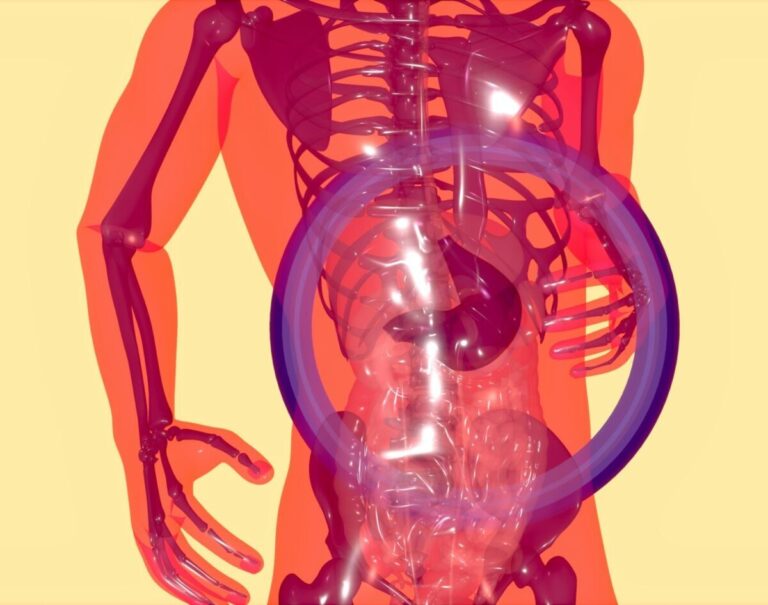

Many individuals explore natural approaches to foster digestive wellness. Among these, coconut oil for gut support frequently enters discussions due to its unique fatty acid profile.
This widespread tropical staple offers more than culinary versatility. Its distinct composition, particularly its medium chain triglycerides or MCTs, sets it apart from many other dietary fats.
Understanding how these components interact with the complex internal environment of the digestive system provides valuable insights for those considering its inclusion in a wellness regimen.
The Distinctive Composition of Coconut Oil
Coconut oil stands out primarily because of its high concentration of Medium Chain Triglycerides. These are fatty acids with a shorter carbon chain length compared to the long chain triglycerides found in most other fats.
This structural difference impacts how the body processes them. Unlike longer chain fats, MCTs do not require bile salts for digestion and are absorbed more directly into the bloodstream.
Lauric acid is one of the most abundant MCTs in coconut oil, typically making up around 50% of its fat content. This particular fatty acid receives considerable attention in discussions about microbial balance.
Caprylic acid and capric acid are other notable MCTs present. Each contributes to the overall properties that make coconut oil a topic of interest for those seeking digestive comfort.
The combination of these specific fatty acids creates a fat that behaves differently within the digestive tract, potentially influencing various aspects of gut health in a general wellness context.
- Primary Component: Medium Chain Triglycerides (MCTs)
- Key Fatty Acid: Lauric Acid, Caprylic Acid, Capric Acid
- Structural Advantage: Shorter carbon chains allow for distinct metabolic processing.
Considering Dietary Inclusion
People often integrate small amounts of coconut oil into their daily meals, such as in smoothies or cooked dishes, to explore its unique qualities.
Medium Chain Triglycerides and Digestive Harmony
MCTs offer a pathway for energy that differs from longer chain fatty acids. They travel directly to the liver after absorption, where they can be quickly converted into energy sources known as ketones.
This rapid metabolism means they are less likely to be stored as body fat. This characteristic makes them a popular choice for individuals who want an efficient energy source that may support metabolic wellness.
In the context of digestive comfort, MCTs are often discussed for their ease of digestion. For some individuals, this can translate to less digestive burden compared to fats requiring more extensive breakdown.
The unique absorption of MCTs also means they may be a suitable fat source for people who experience challenges with the digestion and absorption of conventional dietary fats, contributing to a sense of digestive ease.
Their presence in the diet can support a feeling of satiety, which can be part of a broader strategy for maintaining a balanced approach to eating and overall wellness.
- Metabolic Trait: Rapid absorption and conversion into energy.
- Digestive Impact: Requires less enzymatic breakdown, potentially easing the digestive process for some.
- Wellness Context: Provides a readily available energy source.
Usage Recommendations
Incorporating a serving into morning coffee or a post workout shake is a common method for many individuals to enjoy the benefits of MCTs.
Lauric Acid’s Role in Microbial Balance
Lauric acid, a significant component of coconut oil, has been a subject of interest in general discussions surrounding the gut microbiome. It transforms into monolaurin within the body, a compound often considered for its properties that may influence microbial populations.
The gut microbiome comprises trillions of microorganisms that play a role in digestive function and overall wellness. Maintaining a diverse and balanced microbial community is a widely recognized goal for digestive health.
Lauric acid’s presence is often explored by those looking to support a harmonious environment within their digestive tract. It is part of the broader discussion of how dietary fats can interact with the gut’s inhabitants.
While this is not a treatment, some people explore the properties of lauric acid as a dietary component that may contribute to a balanced internal ecosystem. This aligns with a proactive approach to wellness rather than addressing specific conditions.
The general educational understanding is that certain dietary elements can contribute to maintaining microbial diversity, and lauric acid is sometimes mentioned in this context. People with underlying conditions often work with a qualified healthcare professional for personalized guidance.
- Active Compound: Lauric Acid
- Metabolite: Monolaurin (formed in the body)
- Associated Property: Often discussed for its properties that may influence the microbial landscape.
Integrating into Diet
Many individuals add virgin coconut oil to their cooking or baking, benefiting from its distinctive flavor and functional components.
Caprylic Acid and Capric Acid: Further Contributions
Beyond lauric acid, coconut oil also provides caprylic acid (C8) and capric acid (C10), which are other forms of MCTs. These fatty acids possess their own unique characteristics and are frequently highlighted in discussions about digestive health.
Caprylic acid, in particular, has garnered attention for its relatively rapid metabolic conversion. Some individuals choose to explore caprylic acid for its potential role in supporting a balanced gut environment.
Capric acid, while present in smaller quantities than lauric or caprylic acid in whole coconut oil, also contributes to the overall profile of beneficial fats. Its inclusion supports the diverse spectrum of MCTs.
These two MCTs are often concentrated in specialized MCT oil products, which isolate them for specific purposes. However, they are naturally occurring in coconut oil, contributing to its broad appeal.
The collective effect of these medium chain fatty acids is what makes coconut oil a subject of ongoing interest for general wellness and digestive support. This information is educational and not a substitute for medical advice.
- Caprylic Acid (C8): Known for rapid metabolism and sometimes explored for microbial balance.
- Capric Acid (C10): Another significant MCT, contributing to the overall fatty acid profile.
- Concentration: Often found in higher concentrations in isolated MCT oil.
Daily Enhancement
Some people enjoy stirring a spoonful of coconut oil into their hot beverages as a way to enhance their daily intake of these specific fatty acids.
Different Forms of Coconut Oil and Their Uses
The market offers various forms of coconut oil, each with distinct processing methods and characteristics. Understanding these differences can help individuals make informed choices based on their preferences and wellness goals.
Virgin Coconut Oil is minimally processed. It is extracted from fresh coconut meat without the use of harsh chemicals or high heat. This method retains the natural aroma, flavor, and antioxidant compounds present in the coconut.
Many people prefer virgin coconut oil for its taste and perceived purity. It is often chosen for consumption in its raw form, such as in smoothies or directly from a spoon, and for lower-heat cooking applications.
Refined Coconut Oil undergoes more processing, including bleaching and deodorizing. This process removes the distinct coconut aroma and flavor, making it a neutral-tasting fat that is suitable for a wider range of cooking methods, especially at higher temperatures.
While refined coconut oil still contains MCTs, some of the more delicate phytonutrients found in virgin coconut oil may be reduced. It offers a convenient, flavor-neutral option for those who do not wish to impart a coconut taste to their dishes.
MCT Oil is a concentrated form of medium chain triglycerides, typically consisting primarily of caprylic acid (C8) and capric acid (C10). It is often derived from coconut oil, but the lauric acid content is significantly reduced or absent.
MCT oil is colorless, odorless, and flavorless, making it highly versatile for adding to drinks or dressings without altering taste. People use it when they specifically want a concentrated source of the most rapidly metabolized MCTs.
| Type of Coconut Oil | Processing Method | Flavor & Aroma | Primary Use Cases |
|---|---|---|---|
| Virgin Coconut Oil | Minimal processing, cold-pressed | Distinct coconut flavor and aroma | Raw consumption, low-heat cooking, baking |
| Refined Coconut Oil | Processed, bleached, deodorized | Neutral, no coconut flavor or aroma | High-heat cooking, general culinary use |
| MCT Oil | Fractionated distillation from coconut oil | Odorless, flavorless | Supplementation, coffee, smoothies for concentrated MCTs |
Mindful Selection
Choosing the appropriate type of coconut oil depends on individual preferences for flavor, cooking needs, and the specific digestive support goals one hopes to explore.
Considering Individual Responses and Sensitivities
While coconut oil is generally considered safe for consumption, individual responses can vary. Like any dietary fat, consuming it in moderation is often a prudent approach to introduce it into one’s diet.
Some individuals, particularly when first introducing coconut oil or MCT oil, might experience mild digestive upset. This can include feelings of nausea or a change in bowel habits, which usually subsides as the body adjusts.
Starting with small amounts and gradually increasing intake allows the digestive system to adapt. This approach helps to assess personal tolerance and minimize any potential discomfort.
The body’s response to any food component is unique. Paying attention to how your body feels after consuming coconut oil is important for tailoring its use to your personal wellness journey.
It’s always wise for individuals with existing digestive concerns or underlying health conditions to consult with a qualified healthcare professional before making significant dietary changes. This ensures that any new addition aligns with their overall health plan.
- Initial Intake: Start with small portions.
- Potential Effect: Temporary digestive discomfort for some individuals.
- Adaptation: Gradually increase intake to allow the body to adjust.
Proactive Assessment
Observing one’s own body and adjusting consumption based on individual comfort levels is a key part of integrating any new dietary component.
Historical Context and Traditional Use
Coconut oil is far from a modern discovery in wellness circles. For centuries, communities in tropical regions have relied on coconuts and their derivatives as fundamental components of their diets and traditional practices.
In many cultures, coconut oil was not just a food source but also played a role in folk wellness traditions. Its versatility extended beyond the kitchen, used for purposes ranging from skin moisturization to supporting general vitality.
Traditional diets in places like the Pacific Islands often featured high amounts of coconut and its oil. These populations historically exhibited robust health, suggesting a long-standing compatibility with this fat source.
The historical integration of coconut oil into daily life provides a backdrop for its current resurgence in natural health discussions. It grounds its perceived benefits in real-world application across generations.
This long history of use highlights a sustained human interaction with coconut oil, offering a perspective that extends beyond contemporary scientific inquiry into enduring cultural practices.
- Cultural Significance: Staple in tropical diets for centuries.
- Traditional Application: Used in cooking, wellness practices, and personal care.
- Historical Context: Long-standing integration into daily life in specific populations.
Ancestral Wisdom
Drawing on ancient practices, many modern wellness seekers continue to value coconut oil for its historical relevance and inherent properties.
Synergistic Dietary Approaches for Gut Wellness
Incorporating coconut oil for gut support works best as part of a broader strategy for overall digestive wellness. No single food or oil acts in isolation within the complex dietary landscape.
A diet rich in diverse, whole foods, including plenty of fiber from fruits, vegetables, and whole grains, forms the foundation of a healthy gut environment. Fiber acts as a prebiotic, nourishing beneficial gut bacteria.
Probiotic-rich foods, such as fermented vegetables, yogurt, and kefir, introduce beneficial bacteria directly into the digestive system. Combining these with a balanced diet can enhance microbial diversity.
Adequate hydration is also crucial for digestive function. Water helps to keep food moving through the digestive tract and maintains the health of the intestinal lining.
Mindful eating practices, including chewing food thoroughly and eating without rush, can also support digestion. Stress management and regular physical activity further contribute to a well-functioning digestive system.
Considering coconut oil as one component within this comprehensive framework can offer a more holistic approach to digestive wellness. This strategy emphasizes synergistic effects rather than focusing on a single element.
- Foundational Diet: Rich in diverse whole foods, high fiber.
- Beneficial Additions: Probiotic-rich foods, adequate hydration.
- Lifestyle Factors: Mindful eating, stress management, regular activity.
Holistic Framework
A comprehensive approach that combines coconut oil with other beneficial dietary and lifestyle choices offers the most robust path to supporting digestive health.
Frequently Asked Questions
Can coconut oil help with occasional digestive discomfort?
Some individuals explore coconut oil, particularly its MCT content, as a dietary fat that may be easier to digest for some people. This can contribute to a general sense of digestive comfort, but individual results vary.
Is virgin coconut oil better for gut health than refined coconut oil?
Virgin coconut oil retains more of its natural phytonutrients and distinct flavor due to minimal processing. Both types contain MCTs, but some people prefer virgin for its whole food characteristics when exploring gut support.
How should I incorporate coconut oil into my diet for gut support?
Many people start by adding a small amount, like half a teaspoon, to smoothies, coffee, or as a cooking oil. Gradually increasing the quantity allows the body to adjust and helps assess individual tolerance. People with underlying conditions often work with a qualified healthcare professional for personalized guidance.
Are there any downsides to using coconut oil for digestive health?
While generally well-tolerated, some individuals may experience mild digestive upset, such as nausea or loose stools, especially when starting with larger amounts. Moderation and gradual introduction are key.
The Bottom Line
Coconut oil presents a distinctive dietary fat, predominantly characterized by its Medium Chain Triglycerides, including lauric, caprylic, and capric acids. These components offer a unique metabolic pathway and are often explored by those seeking to support digestive wellness and a balanced internal environment.
Its historical use and specific fatty acid profile position it as a noteworthy addition to a comprehensive wellness plan. However, individual responses vary, and its inclusion should always be mindful of personal tolerance and broader dietary context.
Explore different forms of coconut oil to find what best suits your culinary preferences and wellness goals. This information is educational and not a substitute for medical advice.
Actionable Insight
Consider integrating a small, consistent amount of virgin coconut oil into your daily diet and observe how your body responds over time.
Get Your FREE Natural Health Guide!
Subscribe now and receive our exclusive ebook packed with natural health tips, practical wellness advice, and easy lifestyle changes, delivered straight to your inbox.