
Exploring Erythritol’s Place in Blood Sugar and Gut Health
Erythritol is a sugar alcohol that has gained considerable attention as a sweetener alternative. For those managing carbohydrate intake or seeking to moderate sugar consumption, it often appears on ingredient labels. Understanding how this compound truly behaves within the body is key.
The discussion around erythritol for blood sugar gut considerations centers on its unique metabolic path and potential interactions. Many people wonder if it offers a truly neutral sweetening experience or if it carries hidden health implications. This exploration aims to clarify its role.
This guide provides a deep dive into erythritol’s properties, its impact on glucose metabolism, and its journey through the digestive system. It helps individuals make informed decisions about incorporating this sweetener into their dietary choices.
The Biochemistry of Erythritol: A Sweetener’s Journey
Erythritol belongs to a class of compounds known as sugar alcohols, also called polyols. Unlike typical sugars, its chemical structure renders it largely unabsorbable and unmetabolized by human enzymes. This characteristic contributes to its low caloric value.
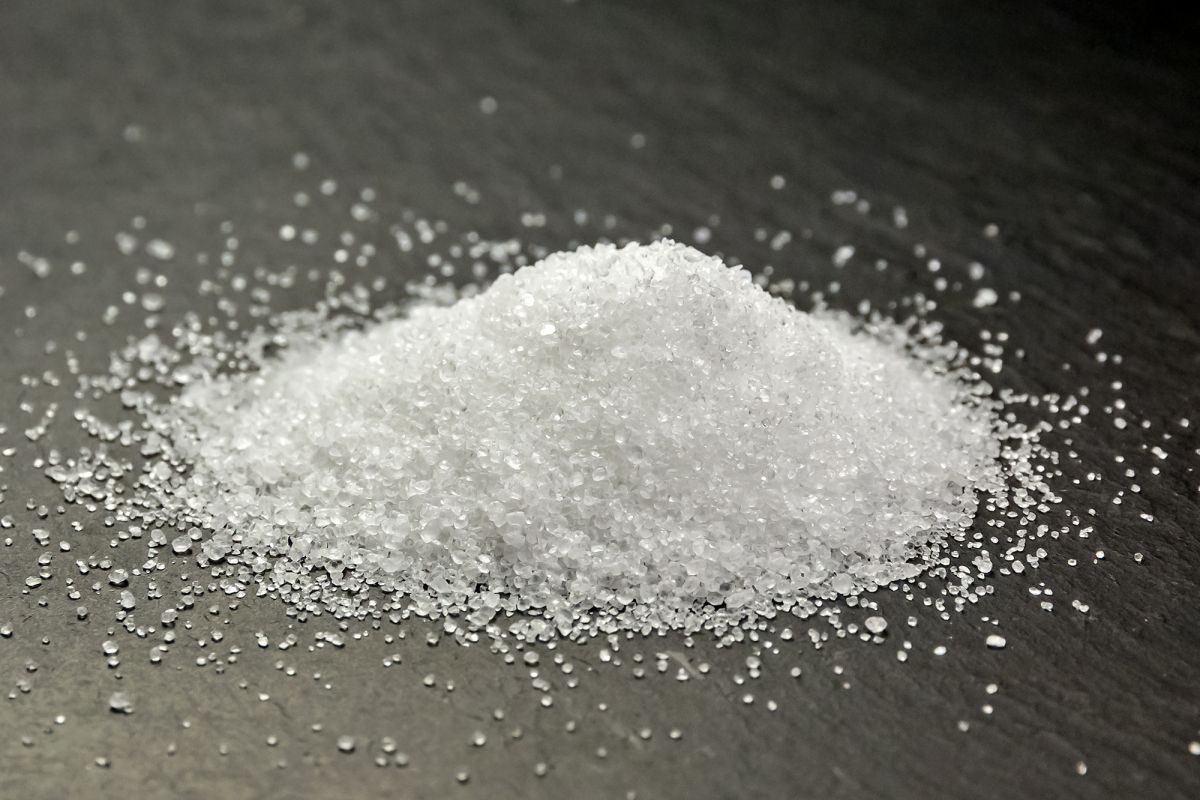
Naturally present in some fruits like grapes, pears, and watermelons, as well as fermented foods like soy sauce and wine, erythritol is also manufactured. Industrial production commonly involves the fermentation of glucose with a specific yeast species, *Moniliella pollinis*. This process yields a pure crystalline product.
Its sweetness profile is about 70 percent that of sucrose, or table sugar, but without the associated calories. This makes it a popular choice for formulating sugar free products and for those following low carbohydrate eating patterns. Its stable nature also allows it to withstand heat, making it suitable for baking and cooking.
- Compound Class: Sugar Alcohol (Polyol)
- Natural Presence: Fruits, fermented foods
- Sweetness Profile: Approximately 70% of sucrose
- Caloric Value: Nearly zero calories per gram
Understanding Production
Industrial erythritol is typically derived from glucose through a fermentation process, which is important for understanding its purity and consistency.
How Erythritol Interacts with the Body
Absorption and Metabolism: A Unique Path
When consumed, erythritol takes a remarkably distinct route through the human digestive system compared to other carbohydrates. The majority of ingested erythritol is absorbed rapidly in the small intestine, a process that occurs quickly and efficiently. This rapid absorption sets it apart from other sugar alcohols.
Once absorbed into the bloodstream, erythritol circulates throughout the body but is not utilized for energy. Human enzymes do not possess the capacity to break down erythritol for metabolic fuel. It passes through the body largely unchanged, meaning it does not contribute to caloric intake in the same way sugars do.
The absorbed erythritol is then excreted from the body predominantly through the kidneys, appearing in urine within hours of consumption. This rapid clearance minimizes its systemic presence and further explains its negligible impact on bodily functions that rely on metabolic energy. Its non reactive nature is a key feature.
- Absorption Site: Rapidly absorbed in the small intestine
- Metabolic Fate: Not metabolized for energy; largely unchanged
- Excretion Pathway: Primarily excreted in urine via kidneys
- Caloric Contribution: Considered virtually noncaloric
Processing Within the Body
Erythritol undergoes quick absorption and excretion, meaning it typically does not linger in the system for significant periods.
Erythritol and Blood Sugar Levels
One of erythritol’s most compelling attributes is its generally recognized non effect on blood glucose levels. Unlike dietary sugars and most other carbohydrates, erythritol does not prompt an insulin response upon consumption. This makes it a favored option for individuals focused on blood sugar management.
The reason for this lies in its unique metabolism, or rather, its lack thereof. Since erythritol is absorbed but not broken down by the body’s enzymes, it bypasses the metabolic pathways that typically convert sugars into glucose. Consequently, it does not introduce glucose into the bloodstream.
This characteristic is particularly significant for people monitoring their glycemic load. Using erythritol in place of sugar allows them to enjoy sweet tastes without the typical fluctuations in blood glucose that accompany sugar intake. It helps maintain more stable energy levels throughout the day.
- Glycemic Index: Near zero, minimal impact on blood sugar
- Insulin Response: Typically does not elicit an insulin release
- Energy Contribution: Does not contribute to circulating glucose
- Dietary Relevance: Supports blood sugar management strategies
Dietary Application
Including erythritol in one’s diet can be a strategy for those aiming to reduce sugar intake while maintaining a sweet flavor profile in foods and beverages.
The Gut Microbiome Connection: What We Know
While the majority of erythritol is absorbed in the small intestine and excreted, a small portion can reach the large intestine. Here, it may interact with the diverse community of microorganisms residing within the gut microbiome. The extent and nature of this interaction are subjects of ongoing scientific interest.
Some studies explore whether erythritol, like other sugar alcohols, can be partially fermented by certain gut bacteria. The byproducts of such fermentation could theoretically influence the gut environment. However, due to its high absorption rate, erythritol is less prone to extensive fermentation compared to other polyols such as xylitol or sorbitol.
The impact on specific microbial populations can vary widely among individuals. Some research suggests that while erythritol does reach the colon, its effects on overall microbial diversity or the balance of beneficial versus less beneficial bacteria are generally considered mild, especially at typical consumption levels. This distinguishes it from other sweeteners that can have more pronounced gut effects.
- Gut Destination: Small portion may reach the large intestine
- Microbial Fermentation: Limited fermentation by gut bacteria compared to other polyols
- Potential Byproducts: Research explores influence on gut environment
- Individual Variability: Gut response can differ among people
Gut Interaction Profile
The interaction of erythritol with the gut microbiome is often described as minimal due to its efficient absorption before reaching the colon.
Digestive Considerations and Tolerance
For many individuals, erythritol is well tolerated, even in moderate amounts. Its efficient absorption and excretion pathway mean that less of it remains in the digestive tract to potentially draw water into the intestines or be fermented by gut bacteria, which are common causes of digestive upset with other sugar alcohols.
However, some people may experience digestive discomfort, especially when consuming larger quantities of erythritol. Symptoms can include bloating, gas, or a mild laxative effect. This is usually dose dependent, meaning higher intakes are more likely to trigger these responses. Personal sensitivity plays a role.
It is wise to introduce erythritol gradually into the diet to assess individual tolerance. Starting with small amounts allows the digestive system to adapt and helps determine the personal threshold before any discomfort arises. This approach applies to all new dietary components.
- Common Effects: Generally well tolerated; mild bloating, gas, or laxation in some
- Tolerance Variability: Individual sensitivities differ widely
- Influencing Factors: Dose consumed, individual gut health, and other dietary components
- Mitigation Strategy: Gradual introduction and moderation of intake
Personal Tolerance Assessment
To understand how your body responds to erythritol, begin with minimal amounts and incrementally increase if desired, noting any digestive changes.
Erythritol Compared: A Look at Other Sweeteners
The landscape of nonnutritive sweeteners is diverse, and erythritol stands out due to several distinguishing characteristics. Understanding these differences helps in making selections aligned with specific dietary goals. We can compare erythritol to other common alternatives like xylitol, stevia, and sucralose. Each offers a unique profile concerning metabolism, taste, and digestive impact.
Xylitol, another sugar alcohol, is fermented to a greater extent in the gut and can cause more significant digestive upset in some individuals. Stevia is a plant derived sweetener, offering intense sweetness with no calories, but some people perceive a lingering aftertaste. Sucralose is an artificial sweetener that provides high sweetness intensity with minimal caloric contribution, but its synthetic nature raises different considerations for some consumers. Erythritol’s high digestive tolerance compared to other polyols often makes it a preferred choice.
This table highlights key distinctions among these popular sweeteners, offering a concise overview of their functional properties. The choice often depends on individual health priorities, taste preferences, and tolerance. Many people with underlying conditions often work with a qualified healthcare professional for personalized guidance regarding sweeteners.
| Sweetener | Sweetness Relative to Sucrose | Caloric Impact | Glycemic Impact | Primary Gut Impact |
|---|---|---|---|---|
| Erythritol | 70% | Negligible | None | Low (Well tolerated for most) |
| Xylitol | 100% | Low (2.4 kcal/g) | Low | Moderate (Can cause laxative effect) |
| Stevia | 200-400x | None | None | Minimal (Some mild changes in gut microbiota observed) |
| Sucralose | 600x | None | None | Some (Variable effects on gut microbiota) |
- Erythritol’s Advantage: High digestive tolerance and negligible caloric impact.
- Xylitol’s Difference: Full sweetness of sugar, but higher caloric and laxative potential.
- Stevia’s Natural Origin: Plant derived, intense sweetness, sometimes with an aftertaste.
- Sucralose’s Potency: Highly sweet artificial option, but often with considerations for long term use.
Sweetener Selection Criteria
When choosing a sweetener, consider factors like caloric content, glycemic response, taste profile, and potential digestive effects to align with your health objectives.
Incorporating Erythritol Wisely
Choosing Quality Products
The market offers a wide array of products containing erythritol, ranging from bulk powders to integrated ingredients in food items. Selecting high quality sources is a consideration for many health conscious consumers. Purity can vary, and some products may include other additives or blends that might not align with individual preferences.
Look for erythritol that specifies its origin and production method. Non GMO verification can be important for some people, ensuring the glucose source used for fermentation was not genetically modified. Reading ingredient labels helps identify whether the product is pure erythritol or a mixture with other sweeteners or fillers.
Opting for brands that prioritize transparency in their sourcing and manufacturing processes can contribute to confidence in the product’s quality. This approach supports a more informed decision making process for your dietary choices.
- Purity Standards: Seek out products labeled as pure erythritol.
- Source Verification: Consider non GMO options if that aligns with your values.
- Additive Avoidance: Check labels for additional sweeteners, fillers, or artificial ingredients.
- Brand Transparency: Favor manufacturers who are open about their production practices.
Product Selection Guidance
Prioritize erythritol products from reputable suppliers known for their quality control and clear labeling.
Navigating Individual Sensitivities
Despite erythritol’s generally favorable digestive profile, individual responses can differ. What is well tolerated by one person may cause mild discomfort for another. This variability underscores the importance of a personalized approach to incorporating new dietary components.
Begin with a modest amount of erythritol when first introducing it into your diet. For instance, start with a quarter or half teaspoon in a beverage or food item. Pay close attention to how your body responds, particularly any digestive sensations or changes. This allows for an individualized assessment.
If tolerance is good, you can gradually increase the amount over several days or weeks, staying within personal comfort levels. If any discomfort arises, reduce the amount or discontinue use. This cautious method helps prevent unpleasant experiences and establishes your unique tolerance threshold. This information is educational and not a substitute for medical advice. Research from the National Library of Medicine offers a deeper understanding of erythritol’s properties.
- Initial Intake: Start with small, conservative portions.
- Personal Monitoring: Observe your body’s digestive and overall responses.
- Adjustment Strategies: Modify intake based on your individual tolerance.
- Professional Consultation: People with underlying conditions often work with a qualified healthcare professional for personalized guidance.
Personalized Use Strategy
To effectively integrate erythritol, start low and go slow, allowing your body to acclimate and signal its optimal intake level.
Frequently Asked Questions
Is erythritol safe for regular consumption?
Erythritol is widely considered safe for consumption. Regulatory bodies in various countries, including the FDA in the United States, have affirmed its safety for use as a general purpose sweetener. As with any food component, moderation and individual tolerance are key considerations.
Does erythritol have any taste disadvantages?
Some individuals report a cooling sensation on the tongue when consuming erythritol, particularly in higher concentrations. It is also about 70 percent as sweet as sugar, so larger quantities may be needed to achieve equivalent sweetness, which can sometimes alter the texture of foods.
Can erythritol cause weight gain?
Erythritol is virtually noncaloric and does not raise blood sugar, meaning it typically does not contribute to weight gain in the same way that caloric sugars do. It can be a tool within a broader dietary strategy focused on managing caloric intake.
How does erythritol compare to stevia regarding health?
Both erythritol and stevia are noncaloric sweeteners that generally do not impact blood sugar. Erythritol is a sugar alcohol with a mild taste and high digestive tolerance, while stevia is a plant based extract that is much sweeter and can have a distinct aftertaste for some. The choice between them often comes down to individual preference and specific application.
The Bottom Line
Erythritol offers a compelling option for those seeking a sweet taste without the caloric and glycemic impact of sugar. Its unique metabolic pathway means it typically does not elevate blood glucose or cause widespread digestive issues at moderate intake levels. However, individual sensitivities vary, and careful consideration of personal tolerance is always recommended.
Informed Sweetener Choice
Before making significant dietary changes, always discuss your health goals and any concerns with a qualified healthcare professional.
Get Your FREE Natural Health Guide!
Subscribe now and receive our exclusive ebook packed with natural health tips, practical wellness advice, and easy lifestyle changes, delivered straight to your inbox.