Choosing fruits that align with healthy blood sugar goals can feel like a complex puzzle. Many people enjoy the natural sweetness of fruit but want to understand how different options affect their internal metabolic balance. Understanding the natural compounds within fruits is key.
Our bodies process various forms of sugar found in fruits, primarily fructose and glucose. The presence of fiber, water, and other plant compounds significantly influences how quickly these sugars enter the bloodstream. Not all fruits are created equal in this regard.

Moringa Magic™ Plant-Based Routine
- Highly bioavailable, plant-based routine designed to provide foundational nutritional support
- Helps your body optimize daily nutrient absorption and address hidden nutrient gaps
- Manufactured in a cGMP-compliant, FDA-registered facility without heavy stimulants
This guide focuses on **low-sugar fruits**, providing detailed insights into options that offer robust nutritional benefits without contributing to sharp spikes in blood glucose. We’ll explore ten specific fruits, breaking down their unique profiles and why they earn a spot on this list. This information is educational and not a substitute for medical advice.
The Science of Fruit Sugar and Your Body
Fruits contain natural sugars, primarily fructose and glucose, sometimes in combination as sucrose. The way your body responds to these sugars depends on several factors beyond just the total sugar content. Fiber, water content, and the presence of other nutrients all play crucial roles.
The **glycemic index** or GI measures how quickly a food causes blood glucose levels to rise after eating. Foods with a high GI are digested rapidly, leading to quick blood sugar spikes. Foods with a low GI are digested more slowly, resulting in a gradual and sustained release of glucose.
**Glycemic load** or GL offers a more comprehensive picture. It considers both the glycemic index and the typical serving size of a food. A food might have a high GI but a low GL if its typical serving size is small, or if it’s mostly water.
Fiber is a nondigestible carbohydrate that occurs naturally in fruits. It plays a significant role in moderating sugar absorption. Soluble fiber can form a gel-like substance in the digestive tract, slowing down the release of glucose. Insoluble fiber adds bulk, promoting digestive regularity and also impacting nutrient absorption rates.
When selecting fruits, focusing on those naturally rich in fiber and lower in total sugar per serving can be a beneficial approach for maintaining blood sugar balance. This approach prioritizes whole, unprocessed forms of fruit. People with underlying conditions often work with a qualified healthcare professional for personalized guidance.
| Fruit | Approx. Sugar (per 100g) | Approx. Fiber (per 100g) | Typical Glycemic Index (GI) |
|---|---|---|---|
| Strawberries | 4.9 g | 2.0 g | 40 |
| Raspberries | 4.4 g | 6.5 g | 32 |
| Blackberries | 4.9 g | 5.3 g | 40 |
| Blueberries | 9.96 g | 2.4 g | 53 |
| Kiwi | 9.0 g | 3.0 g | 50 |
| Avocado | 0.66 g | 6.7 g | <15 |
| Tomatoes | 2.6 g | 1.2 g | 30 |
| Lemons | 2.5 g | 2.8 g | 20 |
| Guava | 8.9 g | 5.4 g | 20 |
| Star Fruit | 3.98 g | 2.8 g | 36 |
Your Top 10 Low-Sugar Fruits
Exploring fruits that offer flavor and nutritional value without significantly impacting blood sugar can expand your dietary choices. Each fruit presents a distinct profile of vitamins, minerals, and plant compounds. Prioritizing these whole food options supports a broader wellness strategy.
1. Strawberries
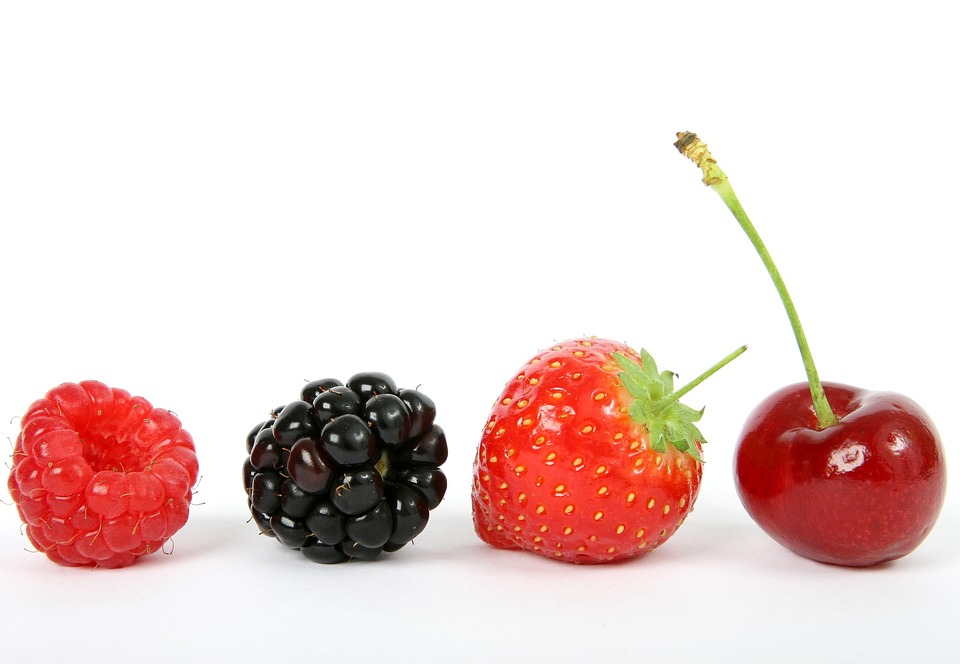
Strawberries are a classic choice among berries, celebrated for their vibrant red color and sweet yet slightly tart flavor. They are exceptionally rich in vitamin C, a compound known for its antioxidant properties. These compounds contribute to cellular protection.
Beyond vitamin C, strawberries provide a good amount of manganese and potassium. They also contain various **polyphenols**, including anthocyanins, which give them their characteristic hue. The fiber content in strawberries helps moderate the absorption of their natural sugars.
Their relatively low sugar and calorie count make them a popular addition to many eating patterns. This fruit has been cultivated for centuries, appreciated for both its taste and its nutritional contributions. Their versatility allows for inclusion in numerous dishes.
- Key Nutrients: Vitamin C, Manganese, Potassium, Fiber
- Associated Benefits: Supports cellular health, contributes to a balanced diet
- Unique Compounds: Anthocyanins, Ellagic Acid
Incorporating Strawberries
Add sliced strawberries to a morning bowl of oats or blend them into a simple, unsweetened smoothie.
2. Raspberries
Raspberries are small, delicate berries known for their unique texture and sweet-tart taste. They stand out for their exceptional fiber content, which is among the highest of all fruits. This fiber plays a critical role in promoting digestive regularity.
They are also a good source of vitamin C, manganese, and vitamin K. Raspberries contain **ellagic acid**, a type of antioxidant found in many fruits. The combination of fiber and antioxidants makes raspberries a valuable addition to many dietary approaches.
The intricate structure of raspberries means they offer a complex interaction of flavors and textures. Their use dates back to prehistoric times, valued both for food and traditional applications. Modern cultivation has enhanced their availability and variety.
- Key Nutrients: Fiber, Vitamin C, Manganese, Vitamin K
- Associated Benefits: Aids digestive regularity, supports antioxidant activity
- Unique Compounds: Ellagic Acid, Anthocyanins
Serving Raspberries
Sprinkle fresh raspberries over yogurt or cottage cheese for a nutritious snack.
3. Blackberries
Blackberries are dark, juicy berries offering a rich, slightly earthy flavor profile. Like other berries, they are packed with fiber and vitamin C. They also provide a good amount of vitamin K, which is important for various bodily functions.
These berries are particularly noted for their high concentration of **anthocyanins**, the pigments responsible for their deep purple-black color. These compounds are extensively discussed for their antioxidant capabilities. Blackberries also contain tannins, which contribute to their unique flavor.
Historically, blackberries have been consumed for millennia, both for their fruit and the leaves of the plant. Their resilient nature means they grow wild in many regions, making them a readily available seasonal fruit. Their robust flavor holds up well in diverse preparations.
- Key Nutrients: Fiber, Vitamin C, Vitamin K, Manganese
- Associated Benefits: Contributes to antioxidant intake, supports cellular processes
- Unique Compounds: Anthocyanins, Tannins
Enjoying Blackberries
Mash blackberries gently and spread them on whole-grain toast, or add them to salads for a burst of flavor.
4. Blueberries
Blueberries are small, round fruits famous for their deep blue hue and sweet taste. While slightly higher in sugar than other berries on this list, their significant fiber content and nutrient density earn them a place among beneficial low-sugar options. They are particularly rich in vitamin K and manganese.
Blueberries are often recognized for their high levels of **anthocyanins**, specific flavonoids that contribute to their color. These compounds are frequently highlighted in discussions about dietary antioxidants. They also contain a range of other polyphenolic compounds.
Their long history in North America, where they are native, includes extensive use by indigenous populations for both food and traditional practices. Modern science has continued to explore the diverse benefits of these popular berries. They remain a staple in many health-conscious diets.
- Key Nutrients: Vitamin K, Manganese, Vitamin C, Fiber
- Associated Benefits: Provides antioxidant compounds, supports dietary diversity
- Unique Compounds: Anthocyanins, Quercetin
Using Blueberries
Mix blueberries into plain Greek yogurt or incorporate them into a homemade fruit compote with no added sugar.
5. Kiwi
Kiwi, often called kiwifruit, is a small, oval fruit with a fuzzy brown skin and vibrant green flesh. It’s renowned for its exceptional vitamin C content, often exceeding that of an orange. This fruit also provides a good amount of vitamin K and dietary fiber.
Kiwi contains a unique enzyme called **actinidin**, which is discussed for its potential role in protein digestion. The fruit also offers a range of phytonutrients, including lutein and zeaxanthin, which are carotenoids found in some plant foods. Its tart and sweet flavor is distinctive.
Originating in China, kiwi was first introduced to New Zealand in the early 20th century, where it was renamed. It rapidly gained popularity worldwide for its unique taste and nutritional density. The combination of fiber and various vitamins makes it a valuable dietary component.
- Key Nutrients: Vitamin C, Vitamin K, Fiber, Potassium
- Associated Benefits: Supports daily vitamin C intake, aids digestive processes
- Unique Compounds: Actinidin, Lutein, Zeaxanthin
Preparing Kiwi
Peel and slice kiwi to eat plain, or add it to a fruit salad for a refreshing twist.
6. Avocado
Avocado is botanically classified as a fruit, though it’s often used in savory applications. It stands out dramatically on this list due to its extremely low sugar content and exceptionally high healthy fat and fiber profile. It provides a rich source of monounsaturated fats.
Avocados are also packed with vitamins K, C, B6, E, and folate, as well as potassium. The creamy texture comes from its significant fat content, which helps create a feeling of satiety. This nutrient density makes it a unique and valuable fruit choice.
Native to south-central Mexico, avocados have been consumed for thousands of years. Their cultivation and culinary uses spread throughout Central and South America long before European contact. Today, they are a globally recognized superfood.
- Key Nutrients: Monounsaturated Fats, Fiber, Vitamin K, Folate, Potassium
- Associated Benefits: Supports satiety, contributes healthy fats to the diet
- Unique Compounds: Oleic Acid, Carotenoids
Adding Avocado
Mash avocado with a sprinkle of sea salt for a simple spread, or dice it into salads and wraps.
7. Tomatoes
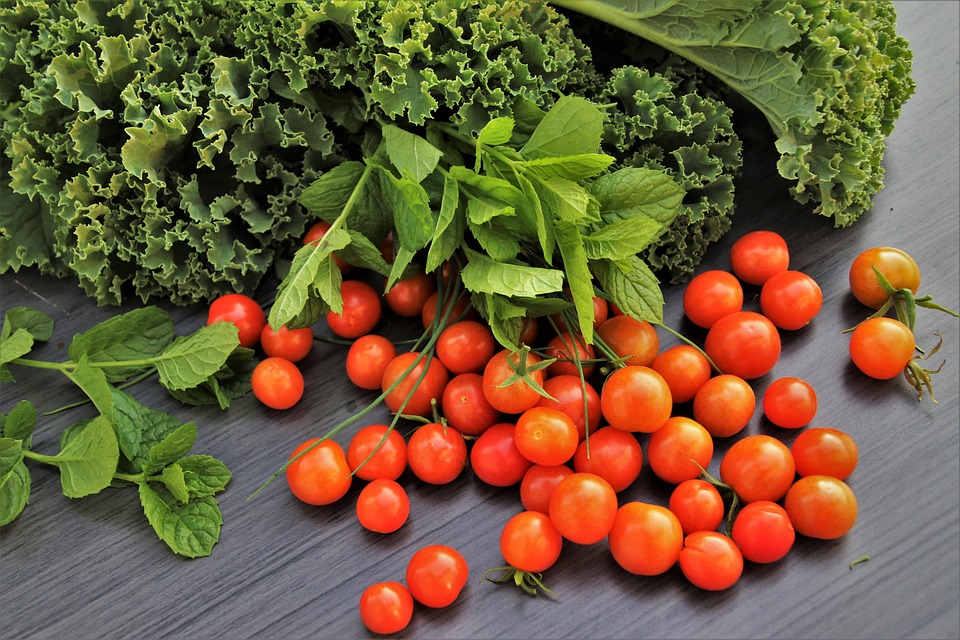
Tomatoes are another fruit that often finds its way into the vegetable category in culinary contexts. They are incredibly low in sugar and calories, while being rich in vitamin C and potassium. Their high water content also contributes to their low energy density.
The distinctive red color of tomatoes comes from **lycopene**, a powerful antioxidant carotenoid. Lycopene is extensively discussed for its health-supporting properties. Tomatoes also provide other carotenoids, such as beta-carotene, and various polyphenols.
Tomatoes originated in the Andes region of South America and were cultivated by Mesoamerican civilizations for centuries. They were introduced to Europe in the 16th century, initially viewed with suspicion, but eventually became a culinary staple worldwide. Their nutritional profile is broad and well-regarded.
- Key Nutrients: Vitamin C, Potassium, Lycopene, Vitamin K
- Associated Benefits: Provides antioxidant carotenoids, supports electrolyte balance
- Unique Compounds: Lycopene, Beta-carotene
Using Tomatoes
Slice fresh tomatoes into a simple salad, or add them to scrambled eggs for a savory meal.
8. Lemons
Lemons are highly acidic citrus fruits known for their bright, pungent flavor and very low sugar content. They are an excellent source of vitamin C, which is essential for many bodily functions. The zest and juice are both widely utilized.
Beyond vitamin C, lemons contain **flavonoids** like hesperidin and naringenin. These plant compounds contribute to the fruit’s overall antioxidant activity. The acidity of lemons can also enhance the flavors of other foods without adding sugar.
Lemons are thought to have originated in Asia, possibly in India or China, and have been cultivated for thousands of years. They were introduced to Europe during Roman times and later spread globally. Their unique taste and preservative qualities make them versatile.
- Key Nutrients: Vitamin C, Flavonoids, Small amounts of Potassium
- Associated Benefits: Boosts vitamin C intake, enhances food flavors naturally
- Unique Compounds: Hesperidin, Naringenin, Limonene
Consuming Lemons
Squeeze fresh lemon juice into water for a refreshing, hydrating drink, or use it in dressings.
9. Guava
Guava is a tropical fruit with a unique sweet and slightly tangy flavor, often described as a cross between a strawberry and a pear. It’s remarkably high in fiber and contains an impressive amount of vitamin C, far exceeding that of an orange.
This fruit also provides good amounts of vitamin A, folate, and potassium. Guava seeds are edible and contribute to its high fiber content. The fruit’s pink varieties are rich in **lycopene**, similar to tomatoes, which is a powerful antioxidant.
Native to Mexico, Central America, and South America, guava has been cultivated since ancient times. Its robust nutritional profile made it a staple food in many indigenous diets. It is now enjoyed globally and recognized for its unique health contributions.
- Key Nutrients: Fiber, Vitamin C, Vitamin A, Folate, Potassium
- Associated Benefits: Supports digestive wellness, provides substantial vitamin C
- Unique Compounds: Lycopene, Quercetin, Guaijaverin
Preparing Guava
Eat guava fresh by slicing it and removing the rind, or blend it into a natural, unsweetened fruit puree.
10. Star Fruit
Star fruit, or carambola, is a distinctive tropical fruit named for its star-like cross-section. It’s very low in sugar and calories, with a high water content. It provides a good source of vitamin C and dietary fiber.
Star fruit also contains copper and pantothenic acid. It offers various **flavonoids** and other polyphenolic compounds that are explored for their antioxidant properties. Its crisp texture and subtly sweet-tart flavor make it a unique addition to the fruit platter.
Originating in Southeast Asia, star fruit has been cultivated for centuries in countries like Malaysia, Indonesia, and the Philippines. It later spread to other tropical regions. Its attractive appearance makes it a popular garnish as well as a nutritious snack.
- Key Nutrients: Vitamin C, Fiber, Copper, Pantothenic Acid
- Associated Benefits: Low-calorie and hydrating, contributes to antioxidant intake
- Unique Compounds: Flavonoids, Oxalic Acid
Eating Star Fruit
Wash and slice star fruit into elegant stars to enjoy raw or add to a light fruit salad.
Common Misconceptions About Fruit and Blood Sugar
A common misunderstanding revolves around the difference between whole fruit and fruit juice. Whole fruits contain natural sugars alongside essential fiber, which slows sugar absorption and helps prevent rapid blood sugar spikes. Juices, even 100% fruit juice, strip away most of this beneficial fiber.
Without the fiber, the sugars in juice are absorbed much more quickly, leading to a faster and more pronounced glucose response. This is why medical professionals often advise people to consume whole fruits rather than rely on fruit juices for their daily fruit intake. The entire fruit offers a complete nutritional package.
Another misconception relates to dried fruits. While dried fruits are convenient, their sugar content is highly concentrated due to the removal of water. A small serving of dried fruit can contain as much sugar as a much larger serving of fresh fruit. It’s easy to overconsume dried fruit, leading to unintended sugar intake.
Portion control is also frequently overlooked. Even low-sugar fruits contain carbohydrates. Consuming excessively large portions can still impact blood sugar levels. Balancing fruit intake with other food groups like proteins and healthy fats can help mitigate potential effects. People with underlying conditions often work with a qualified healthcare professional for personalized guidance.
Integrating Low-Sugar Fruits into Your Daily Eating
Incorporating low-sugar fruits into your daily routine is a simple way to enhance your diet with vital nutrients and natural flavors. Consider these fruits as versatile additions to various meals and snacks. Their natural sweetness can satisfy cravings without relying on refined sugars.
Start your day by adding berries or sliced kiwi to oatmeal or a high-protein yogurt. This combination of fiber, protein, and fruit sugars can provide sustained energy. For lunch, diced tomatoes or avocado make excellent additions to salads, offering healthy fats and a burst of freshness.
Throughout the day, low-sugar fruits can serve as excellent standalone snacks. A handful of raspberries or a sliced star fruit provides a hydrating and nutrient-dense option. Remember that pairing fruits with a source of protein or healthy fat, like nuts or seeds, can further help balance blood sugar responses.
For those looking to reduce added sugars in recipes, pureed low-sugar fruits can act as natural sweeteners or flavor enhancers. For example, a little lemon juice can brighten savory dishes. Focus on fresh, whole forms of these fruits for maximum benefit.
Frequently Asked Questions
What is the best time of day to eat low-sugar fruits?
There isn’t a single “best” time; however, consuming low-sugar fruits as part of a meal containing protein and healthy fats can help moderate blood sugar responses. Many people find them beneficial as a morning addition to breakfast or a midday snack.
Can fruit cause digestive upset in some people?
Yes, some individuals may experience digestive upset from certain fruits due to their fiber content or specific natural sugars. Gradual introduction and monitoring personal tolerance are often recommended. If you have concerns, speak with a healthcare provider.
Are frozen low-sugar fruits as good as fresh?
Frozen low-sugar fruits retain most of their nutritional value and are an excellent alternative to fresh, especially when out of season. Ensure they are plain, unsweetened frozen fruits with no added sugars or syrups. Research from the USDA shows frozen berries are still healthy.
How much low-sugar fruit can I eat daily?
The ideal amount of fruit varies based on individual needs, activity levels, and overall dietary patterns. While these fruits are lower in sugar, moderation remains important for balanced nutrition. Consulting a qualified healthcare professional can provide personalized dietary guidance.
The Bottom Line
Selecting low-sugar fruits is an effective strategy for enjoying the nutritional benefits of fruit while supporting balanced blood sugar levels. These ten options offer a rich array of vitamins, minerals, and plant compounds, along with significant fiber content. Incorporating them into your daily eating provides both flavor and robust wellness support.
Embrace the diversity of these fruits to enhance your meals and snacks. Focus on whole, unprocessed choices and consider pairing them with sources of protein or healthy fats. Making informed fruit selections is a proactive step toward a more balanced and vibrant diet.
Get Your FREE Natural Health Guide!
Subscribe now and receive our exclusive ebook packed with natural health tips, practical wellness advice, and easy lifestyle changes, delivered straight to your inbox.