
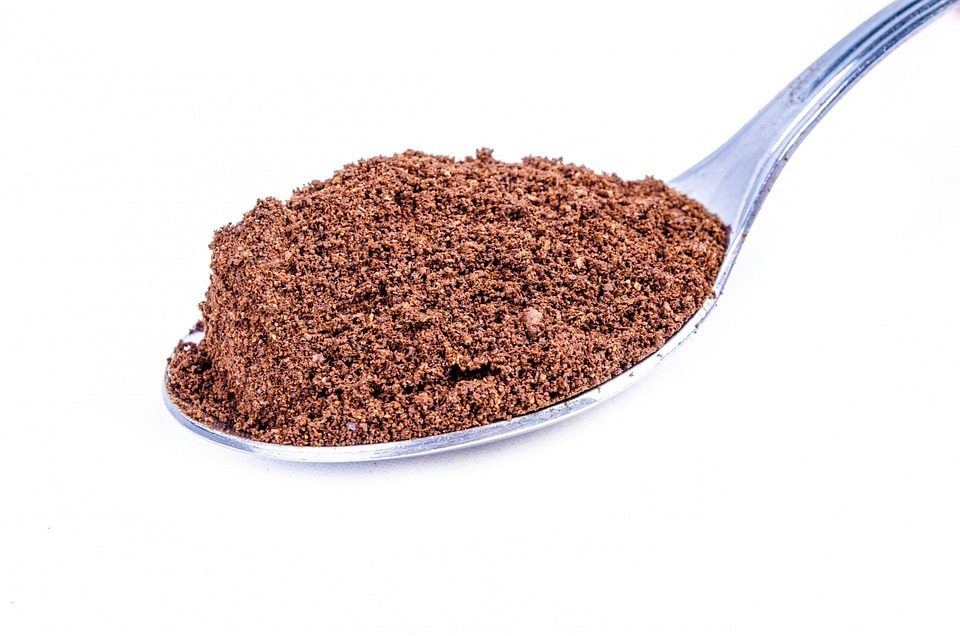

Elevating Your Morning Ritual with Coffee with Cacao Powder
Transforming a routine morning cup into something more intentional offers a simple yet impactful shift. The addition of cacao powder to your daily coffee presents an opportunity to explore new dimensions of flavor and a range of botanical compounds.
This pairing isn’t just about taste. Integrating coffee with cacao powder introduces a blend of naturally occurring plant constituents that interact in distinct ways.
Understanding the individual profiles of both coffee and cacao helps appreciate why this combination holds a unique appeal for many seeking to enhance their daily practice.
The Ancient Roots of Coffee and Cacao
Coffee’s journey began centuries ago in the ancient coffee forests of Ethiopia, where its energizing properties were first observed. Legend speaks of goat herders noticing their animals becoming more spirited after consuming the berries.
From these early observations, coffee cultivation spread across the Arabian Peninsula. It then made its way to Europe, eventually becoming a staple beverage across the globe, valued for its invigorating qualities and rich aroma.
Cacao, on the other hand, boasts an even more ancient lineage, tracing back over 3,000 years to Mesoamerica. Civilizations like the Mayans and Aztecs revered cacao, using its beans as currency and crafting them into a ceremonial, often bitter, drink.
They recognized cacao not only for its distinctive flavor but also for its cultural significance. Its presence permeated rituals, social gatherings, and daily sustenance within these societies.
Historical Overview
- Coffee Origin: Ethiopian highlands, ~9th century AD.
- Traditional Use: Energy, alertness, social ritual.
- Cacao Origin: Mesoamerica, ~1900 BC.
- Traditional Use: Sacred ceremonies, currency, nourishing beverage.
Cultural Integration Protocol
Incorporating historical context into understanding these plant foods deepens appreciation for their sustained relevance in human culture.
The Unique Chemistry of Cacao
Cacao is a complex botanical food, recognized for its intricate flavor profile and diverse array of compounds. These constituents contribute to its characteristic taste and its widespread appeal.
One primary group of compounds in cacao are the flavanols, a type of polyphenol. These plant-derived substances contribute to the color and flavor of many fruits and vegetables. Cacao offers specific flavanols, such as epicatechin and catechin.
Another notable compound is theobromine, an alkaloid structurally similar to caffeine but with distinct properties. It often contributes to cacao’s unique feeling of comfort and sustained engagement.
Beyond these, cacao contains other alkaloids, minerals like magnesium and iron, and various fatty acids, which collectively form its rich nutritional matrix.
Key Cacao Compounds
- Active Compounds: Flavanols (epicatechin, catechin), Theobromine, Anandamide.
- General Associations: Comfort, sustained presence, unique flavor.
- Compound Class: Polyphenols, alkaloids.
Cacao Sourcing Consideration
When selecting cacao powder, opting for varieties with minimal processing helps preserve its natural compound profile.
Coffee’s Bioactive Profile
Coffee is much more than just caffeine. It contains hundreds of different chemical compounds that contribute to its flavor, aroma, and the overall experience of drinking it.
Chlorogenic acids are a prominent group of polyphenols found in coffee. These compounds are a significant part of coffee’s non-caffeine component and contribute to its characteristic bitterness and potential antioxidant capacity.
Diterpenes like cafestol and kahweol are also present, especially in unfiltered coffee preparations. These compounds contribute to the oily sheen sometimes seen on brewed coffee and possess their own distinct biochemical properties.
And, of course, caffeine is the most widely recognized stimulant alkaloid in coffee. It is known for its ability to promote alertness and reduce perceptions of fatigue.
Key Coffee Compounds
- Active Compounds: Caffeine, Chlorogenic acids, Cafestol, Kahweol.
- General Associations: Alertness, invigorated feeling, rich aroma.
- Compound Class: Alkaloids, polyphenols, diterpenes.
Brewing Method Impact
The method of brewing coffee influences the extraction of these compounds, affecting both taste and the final composition of the beverage.
Synergistic Potential: How Coffee and Cacao May Complement Each Other
Combining coffee and cacao powder brings together two distinct botanical profiles, creating a beverage that some people find offers a unique experience. This combination isn’t merely about mixing flavors; it involves the interaction of their respective compounds.
The caffeine from coffee provides its familiar invigorating push. Theobromine from cacao, while also an alkaloid, tends to offer a gentler, more sustained feeling of focus without the sharp intensity sometimes associated with high caffeine intake alone.
Flavanols from cacao and chlorogenic acids from coffee are both classes of polyphenols. These compounds contribute to the overall phytochemical richness of the drink, adding another layer to its appeal. This rich profile is often discussed in wellness circles.
Many people find the flavor combination deeply satisfying. The bitterness and roast notes of coffee often harmonize well with the earthy, sometimes slightly fruity, undertones of cacao, creating a more complex and rounded taste experience.
| Compound Category | Primary Source | Associated Effects (General) |
|---|---|---|
| Caffeine | Coffee | Promotes alertness, reduces perception of fatigue. |
| Theobromine | Cacao | Supports comfort, sustained presence. |
| Flavanols | Cacao | Contributes to rich flavor, part of polyphenol group. |
| Chlorogenic Acids | Coffee | Contributes to coffee’s distinct taste, part of polyphenol group. |
Integrated Beverage Experience
The combined action of caffeine and theobromine, alongside their respective polyphenols, can lead to a feeling some describe as ‘focused calm’ or ‘smooth energy’. This effect may be why the blend of coffee with cacao powder is gaining popularity.
Compound Interaction Context
Observing how these natural compounds from different sources interact provides an interesting study in botanical synergy within daily consumables.
Choosing and Preparing Your Cacao Powder
The quality and type of cacao powder you select significantly influence both the flavor and the compound profile of your morning drink. Not all cacao powders are created equal, and understanding the differences helps in making an informed choice.
Natural cacao powder is typically lighter in color and more acidic. It retains more of the bean’s natural acidity and a higher concentration of certain flavanols.
Dutch-processed cacao powder, or alkalized cacao, undergoes a washing process that reduces its acidity and darkens its color. While this can mellow the flavor, the process may reduce the concentration of some sensitive flavanols.
Many prefer raw cacao powder, which undergoes minimal processing and lower temperatures. This approach aims to preserve the natural enzymatic and nutritional integrity of the cacao bean. Research from the National Institutes of Health provides general information on the nutrient content of many foods, including those found in cacao.
Avoid cacao powders with added sugars, artificial flavors, or fillers. The goal is to maximize the natural benefits and flavor of pure cacao.
Cacao Selection Guide
- Natural Cacao: Higher acidity, stronger flavor, more bitter.
- Dutch-Processed Cacao: Milder flavor, less bitter, darker color.
- Raw Cacao: Minimal processing, aims to preserve natural compounds.
- Purity Check: Opt for 100% cacao powder without additives.
Preparation Best Practice
Sifting cacao powder before adding it to coffee can help prevent clumps and ensure a smooth, even texture in your beverage.
Crafting Your Cacao-Infused Coffee
Creating your perfect cup of coffee with cacao powder involves a few simple steps, allowing you to customize the flavor and intensity to your preference. Start with high-quality ingredients to achieve the best results.
Begin by brewing your preferred coffee. Whether it’s drip, pour-over, French press, or espresso, the quality of your coffee grounds and brewing method will be the foundation of your drink.
For incorporating the cacao, a general starting point is one to two teaspoons of cacao powder per 8 to 12 ounces of coffee. You can adjust this ratio based on your taste and desired cacao intensity.
To ensure thorough mixing, it’s often helpful to first create a paste with the cacao powder and a small amount of hot coffee or hot water. Whisk this until smooth, then incorporate it into the rest of your coffee. This prevents clumping and allows the cacao to disperse evenly.
Consider adding a touch of a natural sweetener, if desired, to balance the inherent bitterness of both coffee and cacao. A splash of your favorite milk or milk alternative can also enhance the creaminess and overall mouthfeel.
Recipe Framework
- Coffee Base: Freshly brewed, preferred strength.
- Cacao Ratio: 1-2 teaspoons per 8-12 oz coffee (adjust to taste).
- Mixing Technique: Create a smooth paste first.
- Optional Additions: Natural sweetener, milk or alternative.
Flavor Customization Method
Experiment with different types of coffee beans and cacao powders to discover your favorite unique flavor combination.
Addressing Common Misconceptions
When incorporating new elements into a daily routine, questions and misconceptions naturally arise. Understanding these can help individuals make informed choices about their daily practices.
One common idea is that all cacao powders are identical. As discussed, there are significant differences between natural, Dutch-processed, and raw cacao, each with its own flavor profile and compound concentration. This impacts the final beverage.
Another point relates to the expected “boost.” While coffee provides a noticeable lift, the cacao’s contribution often feels more nuanced, sometimes described as a sustained feeling rather than a sharp peak. This difference is largely due to theobromine’s distinct properties compared to caffeine.
Some people may wonder about sugar content. Pure cacao powder contains no added sugar. Any sweetness in a cacao-infused coffee comes from additional sweeteners introduced by the individual, not from the cacao itself.
This information is educational and not a substitute for medical advice. People with underlying conditions often work with a qualified healthcare professional for personalized guidance.
Frequently Asked Questions
Exploring the nuances of coffee and cacao powder often leads to specific inquiries. These common questions address practical aspects of this popular combination.
Is “raw” cacao always better than regular cacao powder?
The term “raw” indicates minimal processing and lower heat exposure, which proponents suggest helps preserve more of the natural enzymes and heat-sensitive compounds. While raw cacao maintains a distinct profile, “better” is subjective and depends on individual preference for flavor and compound retention. Both types offer beneficial plant compounds.
Can I use cocoa powder instead of cacao powder?
Yes, you can use cocoa powder. However, it’s important to understand the distinction. Cocoa powder is cacao that has been roasted and processed at higher temperatures, which can alter its compound profile and flavor. While both come from the cacao bean, raw cacao powder typically has a more robust nutritional and compound density compared to heavily processed cocoa powder.
How much cacao powder is typically recommended per day?
There isn’t a universally established “recommended daily allowance” for cacao powder as a food ingredient. However, many people incorporate one to two tablespoons into their daily routine for flavor and general wellness. Individual tolerance and dietary context should always be considered. Consulting with a professional for personalized guidance is a thoughtful approach.
Does adding cacao powder to coffee change the caffeine content?
No, cacao powder itself contains only trace amounts of caffeine. Its primary stimulating alkaloid is theobromine. Therefore, adding cacao powder will not significantly alter the caffeine content of your coffee. It will, however, introduce theobromine and other cacao-specific compounds, which may subtly influence the overall experience.
The Bottom Line
Combining coffee with cacao powder offers more than just an appealing flavor blend. It brings together distinct botanical compounds, creating a beverage that many find both satisfying and unique in its overall effect. The historical significance and complex chemistry of both ingredients underscore their enduring popularity.
Thoughtful selection of cacao powder and mindful preparation can elevate your morning ritual, transforming a simple drink into a more enriching experience. Consider experimenting with different cacao varieties and coffee blends to discover your personal ideal ratio.
Begin your exploration by selecting a high-quality, pure cacao powder to integrate into your next cup of coffee.
Get Your FREE Natural Health Guide!
Subscribe now and receive our exclusive ebook packed with natural health tips, practical wellness advice, and easy lifestyle changes, delivered straight to your inbox.






