
Elevating Your Breakfast: The Wholesome Moringa Pancakes Recipe
Embrace a new morning ritual that blends flavor with profound nutritional support. This guide explores the creation of wholesome moringa pancakes, a simple yet powerful way to integrate a nutrient-dense botanical into your daily diet. We delve into the science and practical steps behind making these vibrant, health-conscious pancakes.
Moringa oleifera, often called the “miracle tree,” delivers an impressive array of vitamins, minerals, and plant compounds. Incorporating its powder into a classic breakfast offers a unique spin on a familiar comfort food. You can transform an everyday meal into a vehicle for enhanced wellness.
This recipe goes beyond mere ingredients. It’s an exploration of how careful preparation and ingredient selection can maximize the benefits of a superfood. Discover how to create fluffy, delicious pancakes that genuinely nourish your body.
The Moringa Marvel: Nutritional Profile and Historical Significance
Moringa oleifera originates from India and has a long history of traditional use across various cultures. Its leaves, pods, flowers, and seeds are all consumed for their unique properties. Ancient texts and traditional practices highlight its role in supporting general well-being.
This botanical powerhouse earned its reputation through generations of consistent use. It became a staple in communities seeking robust, accessible nutrition. The tree grows resiliently in diverse climates, making it a reliable food source.
Modern understanding confirms many of these historical observations. Research illuminates the specific compounds responsible for its celebrated status. It truly is a remarkable plant with a rich heritage.
Unpacking the Phytochemical Riches of Moringa
Moringa leaves contain an impressive spectrum of beneficial compounds. These include **isothiocyanates**, **quercetin**, **kaempferol**, and **chlorogenic acid**. These molecules are responsible for many of the plant’s discussed properties.
**Isothiocyanates**, for instance, are a class of sulfur-containing compounds. They are widely studied for their diverse biological activities. These compounds are also found in cruciferous vegetables.
**Quercetin** is a prominent flavonoid. It is present in many fruits and vegetables and is recognized for its general plant support roles. It contributes to the broad biochemical profile of moringa.
**Kaempferol** is another significant flavonoid, closely related to quercetin. It adds to the complex array of plant compounds found in moringa. Both of these flavonoids are antioxidants.
**Chlorogenic acid** is an important phenolic acid. It is commonly found in coffee and other plants. This compound further enriches moringa’s biochemical composition.
- Isothiocyanates: Sulfur containing compounds, widely studied.
- Quercetin: Flavonoid, common in plants, antioxidant properties.
- Kaempferol: Flavonoid, similar to quercetin, contributes to plant defense.
- Chlorogenic Acid: Phenolic acid, found in coffee, antioxidant properties.
Understanding Bioavailability
These compounds are naturally present in the moringa plant material. When consumed as a whole food powder, they interact synergistically within the digestive system. This natural form allows for a comprehensive intake of the plant’s many components.
Crafting Your Wholesome Moringa Pancakes: A Step-by-Step Guide
Creating the perfect moringa pancake requires attention to detail. From selecting the right ingredients to mastering the cooking technique, each step contributes to the final delicious outcome. This section guides you through the process.
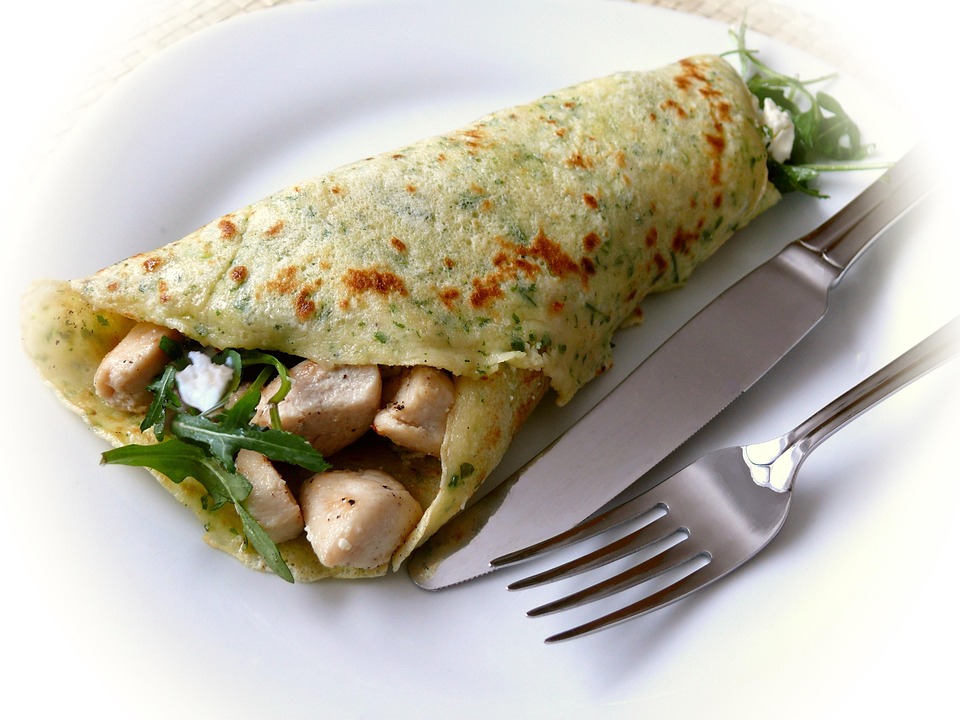
The goal is to produce light, fluffy pancakes with a subtle green hue and an earthy flavor. Balancing the moringa’s distinct taste with other ingredients is key. We ensure a delightful culinary experience.
Follow these instructions carefully to achieve consistent, high-quality results. Your breakfast will be both nourishing and incredibly satisfying. Let’s begin the journey of making these unique pancakes.
Essential Ingredients for Superior Pancakes
The foundation of any great pancake lies in its ingredients. For moringa pancakes, selecting quality components is even more crucial. Each item plays a specific role in texture, flavor, and overall nutritional value.
Whole wheat flour provides a heartier texture and more fiber than refined white flour. It also introduces a mild nutty flavor that complements moringa well. For gluten-sensitive individuals, a gluten-free all-purpose blend can be a suitable alternative.
Plant-based milk, such as almond or oat milk, adds moisture without dairy. These options contribute a subtle sweetness and creaminess. Choosing unsweetened varieties allows you to control the sugar content of your pancakes.
The moringa powder itself should be of high quality, ideally organic and vibrant green. This ensures maximum nutrient retention and a pleasant taste. Freshness affects both flavor and efficacy.
Eggs bind the ingredients together and contribute to the pancake’s structure and richness. For egg-free options, a “flax egg” (ground flaxseed mixed with water) can serve as an effective binder. Baking powder acts as the leavening agent, creating the desired fluffiness.
- Whole Wheat Flour: Provides fiber and structure, nutty flavor.
- Moringa Powder: Nutrient source, color, earthy flavor.
- Plant-Based Milk: Moisture, non-dairy option, subtle sweetness.
- Eggs: Binder, richness, structural support.
- Baking Powder: Leavening agent, promotes fluffiness.
- Sweetener (optional): Balances moringa flavor, adds sweetness.
Ingredient Selection Principle
Always prioritize fresh, high-quality ingredients. This impacts both the taste and the nutritional profile of your pancakes. Sourcing good moringa powder is especially important for the best results.
The Art of Mixing: Achieving the Perfect Batter
Mixing pancake batter seems straightforward, yet precision makes all the difference. The goal is to combine ingredients just enough to integrate them, without overworking the gluten in the flour. Overmixing leads to tough, chewy pancakes.
Begin by whisking all the dry ingredients together thoroughly. This includes the flour, moringa powder, baking powder, and any optional spices or sugar. This step ensures that the moringa is evenly distributed and prevents clumps later.
In a separate bowl, whisk the wet ingredients: milk, eggs, and a touch of oil or melted butter if using. Once combined, pour the wet mixture into the dry ingredients. Stir gently with a whisk or spatula.
Stop mixing as soon as no dry streaks of flour remain. A few small lumps are perfectly acceptable and even desirable. This under-mixed state promotes tender pancakes. Resting the batter for 5-10 minutes allows the flour to hydrate and the leavening agent to activate.
- Dry Ingredients First: Ensures even distribution of leavening and moringa.
- Gentle Combining: Prevents gluten overdevelopment, keeps pancakes tender.
- Avoid Overmixing: Leads to tough texture, undesirable outcome.
- Rest the Batter: Hydrates flour, activates baking powder, enhances fluffiness.
Preparation Insight
Patience during the mixing phase yields a significantly better pancake texture. Resist the urge to create a perfectly smooth batter. Lumps are your friends here.
The Cooking Process: From Batter to Golden Perfection
Cooking pancakes requires a well-heated griddle or non-stick pan. Achieving the correct temperature is critical for even cooking and a beautiful golden-brown exterior. Too hot, and they burn; too cool, and they dry out.
Preheat your pan over medium heat. A good test is to flick a few drops of water onto the surface; they should sizzle and evaporate within a couple of seconds. Lightly grease the pan with a neutral oil or butter.
Pour about a quarter cup of batter per pancake onto the hot griddle. Give them space to spread slightly. Watch for bubbles forming on the surface of the pancake and the edges firming up. This usually takes 2-3 minutes.
When the bubbles start to pop and the edges look set, it’s time to flip. Use a thin spatula to gently slide under the pancake and turn it over. Cook for another 1-2 minutes on the second side, until golden and cooked through.
Serve immediately, or keep warm on a plate in a low oven. Batch cooking allows for consistent temperature control. This ensures each pancake cooks perfectly.
- Preheat Properly: Ensures even cooking and browning.
- Watch for Bubbles: Key indicator for when to flip.
- Flip Gently: Maintains pancake structure and shape.
- Cook Through: Ensures edibility and ideal texture.
Cooking Dynamics
Consistent heat management is the most important factor in cooking perfect pancakes. Adjust the flame as needed throughout the process.
Enhancing Your Moringa Pancakes: Toppings and Variations
Once your wholesome moringa pancakes are cooked, the fun of customization begins. Toppings can transform your breakfast into an even more nutrient-rich and satisfying meal. Think beyond conventional syrup.
Consider fresh berries like blueberries, raspberries, or sliced strawberries. These add natural sweetness, vibrant color, and an abundance of antioxidants. A sprinkle of chopped nuts or seeds provides healthy fats and a satisfying crunch.
A dollop of plain Greek yogurt or a plant-based alternative can add a creamy texture and protein. A drizzle of pure maple syrup or a touch of raw honey can sweeten the deal, but use them sparingly. The natural flavors of moringa and other ingredients are the stars.
| Topping Category | Example Options | Key Contribution |
| :————— | :———————– | :———————————– |
| **Fresh Fruit** | Berries, Sliced Banana | Natural sweetness, fiber, vitamins |
| **Nuts & Seeds** | Walnuts, Chia Seeds | Healthy fats, protein, crunch |
| **Dairy/Plant** | Greek Yogurt, Coconut Cream | Creaminess, probiotics (yogurt), texture |
| **Natural Sweeteners** | Maple Syrup, Raw Honey | Balanced sweetness, natural sugars |
Creative Presentation
Arranging your toppings artfully enhances the visual appeal of your pancakes. This makes the meal even more enjoyable. Experiment with different combinations to find your favorites.
Common Pancake Pitfalls and How to Avoid Them
Even experienced cooks can encounter challenges when making pancakes. Understanding common mistakes helps you avoid them and consistently produce excellent results. Precision in technique minimizes issues.
From batter consistency to griddle temperature, several factors influence the final product. Addressing these potential problems ensures a smoother cooking process. Your moringa pancakes will turn out perfectly every time.
Knowing what to look for and how to correct it empowers you in the kitchen. This section highlights typical hurdles and provides straightforward solutions. Enjoy flawless pancake making.
The Problem of Under-Mixed or Over-Mixed Batter
Under-mixing leaves pockets of dry flour, resulting in an uneven texture. The moringa powder might not be fully incorporated, leading to concentrated green spots and a gritty mouthfeel. This detracts from the overall experience.
Conversely, over-mixing develops the **gluten** in the flour excessively. This creates a tough, rubbery pancake that lacks the desired lightness and tenderness. The more you stir, the more gluten strands form, which stiffens the batter.
The ideal batter has a few lumps. It flows slowly from a spoon. This ensures proper hydration without activating too much gluten. A slightly lumpy batter is often the secret to fluffy pancakes.
- Under-Mixed: Dry pockets of flour, gritty texture.
- Over-Mixed: Tough, rubbery pancakes due to gluten development.
- Solution: Mix until just combined, leave small lumps.
Batter Correction Strategy
If your batter seems too thick, add milk one tablespoon at a time until it reaches the desired consistency. If too thin, add a teaspoon of flour. Adjustments are often simple.
Temperature Troubles on the Griddle
A griddle that isn’t hot enough causes pancakes to absorb too much oil and become dense or greasy. They won’t brown properly. The leavening agent might not activate effectively, leading to flat pancakes.
If the griddle is too hot, the pancakes will burn on the outside before cooking through on the inside. This results in a raw center and a charred exterior. This creates an unpleasant eating experience.
Consistent medium heat is crucial. The goal is to cook the pancake evenly from edge to center. This allows for both golden-brown exteriors and fully cooked interiors.
- Too Cold: Greasy, dense, pale pancakes.
- Too Hot: Burnt outside, raw inside.
- Solution: Maintain consistent medium heat, test with water drops.
Heat Management Technique
Monitor your griddle temperature throughout the cooking process. Adjust the heat as needed, especially after adding cold batter, which can temporarily lower the surface temperature.
Ensuring Even Distribution of Moringa Powder
Moringa powder is fine and can sometimes clump. If not properly dispersed, you might end up with areas of intense moringa flavor and color, alongside bland spots. This creates an inconsistent taste experience.
To avoid this, always whisk the moringa powder thoroughly with the dry ingredients before adding any liquid. Sifting the moringa powder with the flour can also help break up any small lumps. This ensures a uniform mixture.
This simple step guarantees that every bite of your pancake delivers the intended flavor and nutritional benefits. It helps achieve that beautiful, uniform green hue. This contributes to a pleasing visual and taste experience.
- Challenge: Moringa powder can clump if not properly mixed.
- Impact: Inconsistent flavor, uneven color.
- Method: Whisk with dry ingredients, consider sifting.
Integration Method
Pre-mixing moringa with flour and baking powder prevents clumping. This ensures a beautifully even distribution throughout the batter. This is a foundational step for success.
Frequently Asked Questions
Why add moringa to pancakes?
Adding moringa powder to pancakes enriches them with a broad spectrum of nutrients. These include vitamins, minerals, and plant compounds. It provides a convenient way to integrate this superfood into a breakfast staple.
What does moringa taste like in pancakes?
Moringa has an earthy, slightly grassy taste. When incorporated into pancakes, this flavor is often subtle. It blends well with the sweetness of the batter and toppings. The specific amount used can influence its prominence.
Can I use fresh moringa leaves instead of powder?
While fresh moringa leaves are highly nutritious, using them in pancakes is generally not recommended. Their texture and moisture content differ significantly from powder. This can alter the batter’s consistency and the pancake’s texture. Powdered moringa is specifically formulated for ease of integration into recipes.
Are these pancakes suitable for specific dietary needs?
The basic recipe can be adapted. For gluten-free needs, substitute whole wheat flour with a gluten-free all-purpose blend. For dairy-free options, use plant-based milk. For egg-free needs, a flax egg or other egg substitute can be used. People with underlying conditions often work with a qualified healthcare professional for personalized guidance. This information is educational and not a substitute for medical advice.
The Bottom Line
Moringa pancakes offer a delightful and nutrient-packed start to your day. By understanding the ingredients and mastering the techniques, you can create a wholesome breakfast that supports overall wellness. This simple recipe provides a delicious avenue for incorporating the benefits of moringa into your diet. Research from the National Institutes of Health discusses the nutritional benefits of moringa.
Embrace the vibrant green hue and subtle earthy flavor of these unique pancakes. They are more than just a meal. They are a step towards a more informed approach to daily nourishment.
Discover the joy of making and enjoying these healthful pancakes. Experiment with toppings and make them your own.
Get Your FREE Natural Health Guide!
Subscribe now and receive our exclusive ebook packed with natural health tips, practical wellness advice, and easy lifestyle changes, delivered straight to your inbox.