
Supporting Ligament Comfort with Comfrey Salve
Navigating the path to everyday comfort often involves exploring traditional botanical applications. Many people seek gentle, external methods to support their body’s natural state of ease, especially after periods of physical exertion.
For centuries, specific botanicals have been central to wellness practices, valued for their potential to help people feel more comfortable. One such botanical is comfrey, often prepared as a salve, which has garnered attention for its historical use in promoting skin and tissue comfort.
When considering approaches to general well-being around areas like the ligaments, understanding options like a comfrey salve for ligaments can be part of a broader discussion about personal care and lifestyle choices. This exploration focuses on its historical context and the botanical compounds often discussed in relation to its application.
The Historical Understanding of Comfrey’s Role
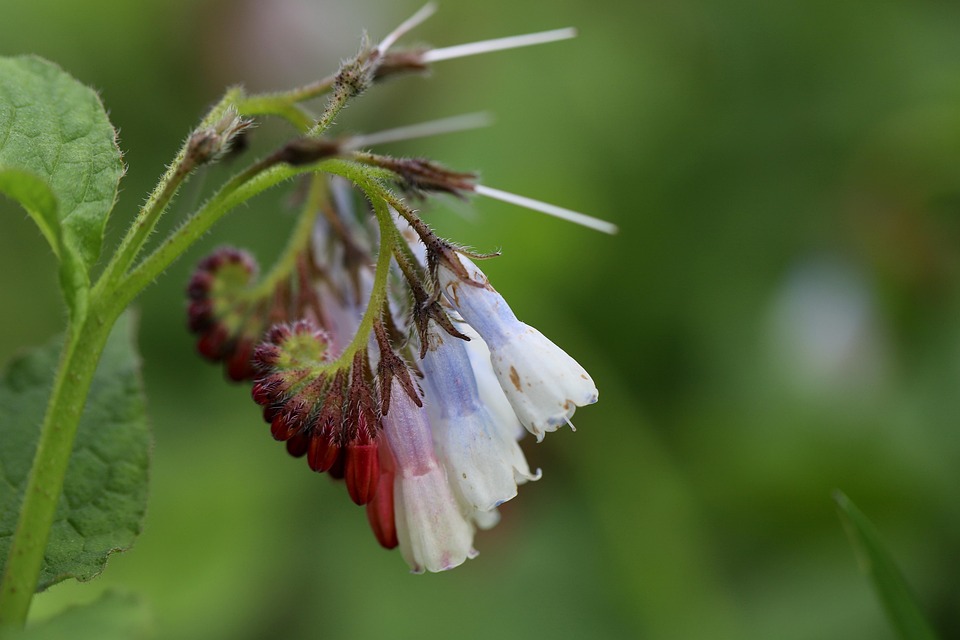
The use of comfrey, scientifically known as Symphytum officinale, traces back through extensive historical records. Ancient civilizations in various parts of the world incorporated this plant into their local health practices.
Traditional herbalists and folk medicine practitioners often cultivated comfrey for its leaves and roots. These plant parts were typically prepared in forms suitable for external application, reflecting a long-standing appreciation for its properties.
The plant earned nicknames such as “knitbone” in some cultures, illustrating the traditional associations with its use. This historical nomenclature speaks to a long-held belief in its supportive qualities when applied topically.
For generations, people prepared comfrey as poultices, compresses, or infused oils, which were then crafted into salves. These preparations aimed to provide a sense of comfort and ease to the skin and underlying tissues.
- Key Historical Use: Traditional skin and tissue applications
- Traditional Application: Poultices, compresses, infused oils
- Noted Benefit: Associated with supporting feelings of comfort and ease
Traditional Preparation Insight
To honor its traditional role, comfrey was often harvested, dried, and then infused into a carrier oil such as olive or almond oil, forming the base for a soothing salve.
Biochemical Insights into Comfrey’s Actions
The botanical properties attributed to comfrey stem from its diverse array of naturally occurring compounds. Modern analyses have helped identify specific constituents that contribute to its characteristics.
One prominent compound found in comfrey is allantoin, which is often a focal point in discussions about the plant’s topical applications. This compound is widely recognized in cosmetic and skin care formulations.
Comfrey also contains various phenolic acids, including rosmarinic acid. These compounds are generally noted for their presence in many plants and are explored for their influence on overall plant characteristics.
Other constituents, such as mucilage and triterpenoids, also contribute to comfrey’s profile. These components are part of the plant’s natural composition and are often discussed in the context of botanical wellness.
Understanding these biochemical components helps frame discussions around how comfrey salve may support a sense of comfort and ease when applied externally to the skin, including areas around ligaments.
- Key Compound: Allantoin
- Associated Action: Supports skin conditioning
- Observed Effect: Contributes to a feeling of smoothness and softness
Compound Interaction Guidance
The combined presence of these various botanical constituents is often considered when evaluating the comprehensive properties of comfrey for topical use.
Allantoin: A Core Botanical Component
Allantoin is an organic compound that naturally occurs in several plants, including comfrey. It is a derivative of uric acid and is synthesized by many organisms.
In topical applications, allantoin is often included for its perceived properties that support the skin’s external layers. It is frequently featured in products designed to enhance skin comfort and appearance.
Formulations containing allantoin are generally discussed for their ability to promote a sense of skin smoothness. This contributes to the overall feeling of well-being when a product like comfrey salve is applied.
Information from the NCCIH website indicates that comfrey contains pyrrolizidine alkaloids, which are important considerations for internal use due to potential liver concerns. External applications are often discussed differently.
- Compound Class: Organic nitrogen compound
- Typical Presence: Roots and leaves of comfrey
- General Discussion Point: Valued in skin care formulations
Application Focus
The presence of allantoin is often highlighted as one reason comfrey salve is considered for its potential to support external skin comfort and softness.
Rosmarinic Acid and Phenolic Compounds
Beyond allantoin, comfrey contains a spectrum of phenolic compounds, with rosmarinic acid being particularly notable. Phenolic compounds are plant secondary metabolites known for their diverse structures.
Rosmarinic acid is a naturally occurring ester of caffeic acid and 3,4-dihydroxyphenyl lactic acid. It is found in many Lamiaceae family plants, not just comfrey, and contributes to the plant’s overall botanical profile.
In discussions about topical preparations, phenolic compounds are often recognized for their contribution to a plant’s protective qualities. They are part of the plant’s natural defense mechanisms.
The presence of these compounds in comfrey salve may contribute to the perceived feeling of comfort and ease. Many people consider formulations rich in plant phenols for general skin wellness.
- Compound Type: Phenolic acid
- Associated Property: Contributes to plant characteristics
- Wellness Aspect: Often discussed in general skin care
Formulation Consideration
The combined activity of rosmarinic acid and other phenolics is thought to complement the effects of allantoin, enhancing the overall topical experience of comfrey salve.
Understanding Ligaments and Their Comfort
Ligaments are vital fibrous tissues that connect bones to other bones, forming joints. They provide structural support and help maintain the stability of various body parts.
These connective tissues are designed to withstand significant forces, allowing for a range of movement while keeping joint structures appropriately aligned. Maintaining their comfort is often a key aspect of an active lifestyle.
Periods of intense physical activity or unaccustomed movements can sometimes lead to general feelings of tightness or tenderness around these areas. Supporting a sense of ease in these instances is a common wellness goal.
People often seek methods to help them feel more comfortable and maintain a sense of flexibility following such activities. Topical applications are one approach many individuals explore for this purpose.
The goal with approaches like comfrey salve is to offer external support that complements the body’s natural capacity for comfort and recovery after everyday physical demands.
- Tissue Type: Fibrous connective tissue
- Primary Function: Connects bones, supports joint stability
- Common Considerations: Maintaining comfort after physical exertion
Comfort Enhancement Strategy
Applying a comforting salve like comfrey can be a part of a personal wellness routine aimed at supporting a sense of ease around these crucial structural components.
Preparing and Using Comfrey Salve Safely
Creating or using a comfrey salve involves understanding its external application and important safety considerations. This ensures that its use aligns with general wellness practices.
For homemade preparations, comfrey root or leaf is typically dried and then infused into a carrier oil over several weeks. This infused oil forms the base, which is then combined with a wax, such as beeswax, to create the salve consistency.
When using any botanical topical product, including comfrey salve, it is always advisable to perform a patch test. Apply a small amount to an inconspicuous area of skin, like the inner forearm, and observe for any sensitivity for 24 hours.
Comfrey salve is intended strictly for external use on unbroken skin. It should never be applied to open wounds or consumed internally. People often work with a qualified healthcare professional for personalized guidance regarding specific health concerns.
The goal is to provide a gentle, localized application that supports a sense of comfort and skin conditioning. The salve should be massaged gently into the skin over the desired area until absorbed.
- Preparation Step: Infuse comfrey into carrier oil, then combine with wax
- Safety Precaution: Always conduct a patch test before widespread use
- Application Principle: For external use only on intact skin
Application Protocol Guidelines
Gently apply a thin layer of the comfrey salve to the area needing comfort, rubbing it in with a soft, circular motion until it is absorbed into the skin.
| Comfrey Form | Primary Use | Application Method |
|---|---|---|
| Salve/Balm | Localized skin comfort | Topical massage on intact skin |
| Oil Infusion | Base for salves, direct massage | Applied directly or mixed with other oils |
| Poultice (Traditional) | Historical external application | Directly applied plant material (caution advised) |
Important Considerations and Professional Dialogue
While comfrey salve has a long history of traditional use for supporting comfort, it is important to approach its application with careful consideration and awareness.
The plant contains compounds called pyrrolizidine alkaloids, or PAs. These compounds, particularly when ingested, can have implications for liver health. This is why strict adherence to external application on unbroken skin is essential.
This information is educational and not a substitute for medical advice. If you are experiencing persistent discomfort, or have underlying health conditions, seeking guidance from a qualified healthcare professional is always recommended.
People with underlying conditions often work with a qualified healthcare professional for personalized guidance. Topical botanicals are intended to complement, not replace, professional medical evaluation and advice.
The decision to use comfrey salve should be an informed one, prioritizing safety and understanding its role as a supportive external comfort agent rather than a treatment for specific medical conditions.
- Key Principle: Strict external application only
- Important Discussion Point: Presence of pyrrolizidine alkaloids
- General Guideline: Consult a healthcare professional for specific concerns
Prudent Usage Strategy
Prioritizing personal safety and consulting with a healthcare provider for any health-related questions ensures that natural remedies like comfrey salve are used appropriately within a wellness plan.
Frequently Asked Questions
Can comfrey salve be used on any part of the body?
Comfrey salve is generally intended for external use on areas of intact skin. It is important to avoid applying it to open wounds, cuts, or irritated skin to prevent absorption of certain compounds.
How often can comfrey salve be applied?
For general comfort, many people apply comfrey salve a few times a day, as desired. Always observe your skin for any reactions and adjust frequency accordingly. Follow any specific instructions if using a commercially prepared product.
Are there different types of comfrey?
Yes, Symphytum officinale is commonly known as true comfrey, but other species like Russian comfrey (Symphytum x uplandicum) also exist. Both are often discussed in traditional herbal contexts, but true comfrey is usually the focus for topical preparations.
Is comfrey salve safe for long term use?
Due to the presence of pyrrolizidine alkaloids, some people choose to use comfrey salve periodically rather than continuously over very long durations. Discussing ongoing use with a healthcare professional can provide personalized insight.
The Bottom Line
Comfrey salve offers a traditional, botanical approach for individuals seeking external support to maintain a sense of comfort and ease. Its long history of use, coupled with an understanding of its botanical compounds like allantoin and rosmarinic acid, positions it as a valued option in personal wellness practices.
Always prioritize your safety by ensuring strict external application on unbroken skin and consider consulting a healthcare professional for personalized advice regarding your comfort goals.
Get Your FREE Natural Health Guide!
Subscribe now and receive our exclusive ebook packed with natural health tips, practical wellness advice, and easy lifestyle changes, delivered straight to your inbox.