
Plantains for Gut Health: A Natural Ally for Digestive Wellness
Often mistaken for bananas, plantains stand as a distinct and versatile fruit with a profound history in global cuisines. Beyond their culinary adaptability, these starchy staples offer a unique nutritional profile that can significantly influence digestive well being.
The intricate relationship between our diet and our gut microbiome dictates much about our overall health. Exploring foods like plantains provides a pathway to understanding how simple dietary choices can foster a more balanced internal environment.
Focusing on plantains for gut health unveils a range of benefits, from supporting microbial diversity to aiding in regular digestive function. It’s a testament to nature’s ability to provide sustenance that nourishes the body on multiple levels.
Understanding Plantains: More Than Just a Banana
Plantains, botanically known as Musa paradisiaca, belong to the banana family but are fundamentally different. They are typically larger, firmer, and lower in sugar content than dessert bananas, especially when unripe.
Throughout various cultures, plantains serve as a foundational carbohydrate, much like potatoes or rice in Western diets. They are rarely eaten raw due to their starchy texture and require cooking to become palatable and digestible.
Their culinary versatility extends across sweet and savory applications depending on their ripeness. This adaptability also correlates with shifts in their nutritional composition, particularly regarding starch and sugar content, which directly impacts their digestive effects.
- Botanical Origin: Musa paradisiaca, part of the banana family.
- Primary Classification: Cooking fruit, starchy staple.
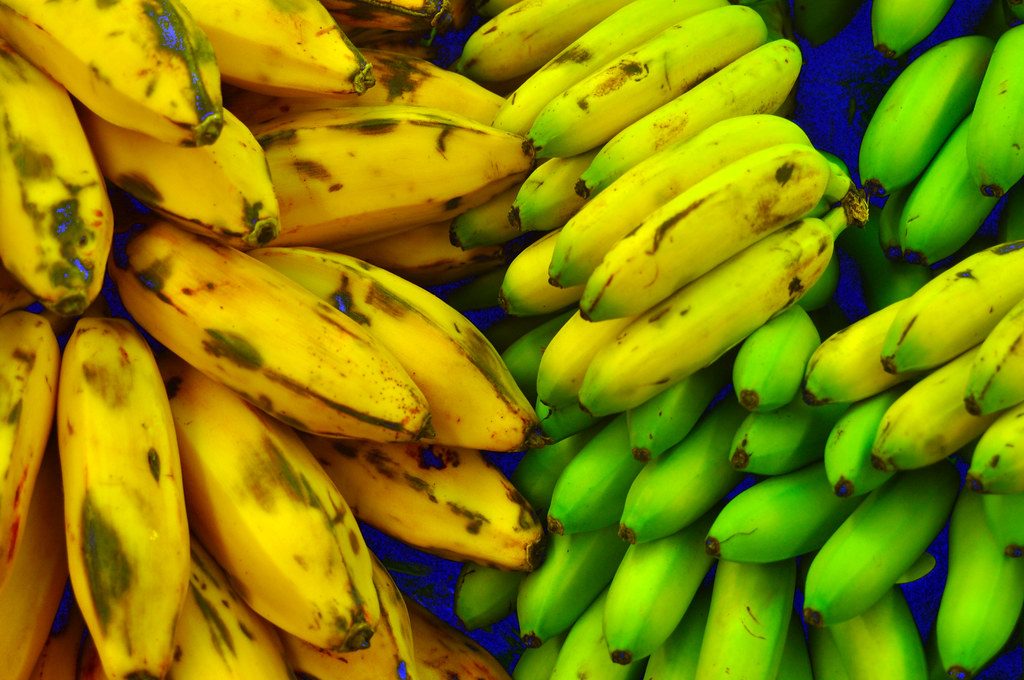
- Ripeness Spectrum: Green (unripe), yellow (ripe), black (overripe).
- Typical Usage: Cooked only, rarely consumed raw.
Cultivation and Cultural Significance
Plantains are indigenous to Southeast Asia but have become a vital food source across Latin America, the Caribbean, and West Africa. They thrive in tropical climates and represent a cornerstone of food security and cultural identity in these regions.
The Historical Role of Plantains in Human Nutrition
For millennia, plantains have been a fundamental component of diets in tropical and subtropical regions. Their ease of cultivation and high caloric yield made them an indispensable food source for communities.
Ancient texts and archaeological findings point to plantains being cultivated and consumed as early as 8,000 BCE in New Guinea. Their journey across continents, facilitated by trade routes and exploration, solidified their global culinary presence.
Traditional medicine systems in many cultures have long recognized plantains not just as food, but for their perceived health supporting properties. This historical context underscores a deep, intuitive understanding of their dietary value.
- Origin Point: Southeast Asia, with early cultivation in New Guinea.
- Global Spread: Extended across Africa, Latin America, Caribbean via trade.
- Traditional Role: Staple food, source of calories and nutrients.
- Cultural Importance: Integrated into traditional recipes and community life.
Ancestral Dietary Practices
Historically, plantains were often boiled, roasted, or fried, consumed as a primary energy source. These traditional preparation methods often preserved or even enhanced their beneficial fiber and starch components, crucial for sustained energy and digestive well being.
Key Nutritional Components Supporting Gut Health
Plantains offer a robust nutrient profile that directly benefits the digestive system. They are notably rich in certain carbohydrates and micronutrients that play a crucial role in maintaining gut integrity and function.
Among their most significant contributions are dietary fiber, particularly resistant starch, and certain vitamins and minerals. These components interact synergistically to create a favorable environment within the gastrointestinal tract.
Understanding these specific elements helps to clarify how plantains can be a valuable addition to a diet focused on supporting digestive wellness.
- Primary Carbohydrate: Resistant starch (especially unripe).
- Fiber Content: Both soluble and insoluble dietary fiber.
- Vitamins: Vitamin C, Vitamin A (as beta carotene), B Vitamins (B6).
- Minerals: Potassium, Magnesium.
Nutrient Integration Strategy
Regular inclusion of plantains within varied meals can help ensure a steady supply of these beneficial nutrients, contributing to a diverse and healthy dietary intake.
Resistant Starch: A Prebiotic Powerhouse
Unripe or green plantains are particularly renowned for their high content of resistant starch. This unique form of carbohydrate resists digestion in the small intestine, passing largely intact into the large intestine.
Once it reaches the colon, resistant starch acts as a potent prebiotic fiber. It serves as a fermentable substrate for beneficial gut bacteria, stimulating their growth and activity.
The fermentation process yields short chain fatty acids, primarily butyrate, acetate, and propionate. These fatty acids are vital for the health of colon cells, helping to maintain the integrity of the gut lining and influencing various metabolic processes.
- Key Compound: Resistant starch (Type 2 and Type 3).
- Best Utilized By: Beneficial colonic bacteria.
- Observed Gut Interaction: Acts as a prebiotic, feeds beneficial flora.
- End Products: Short chain fatty acids (SCFAs), especially butyrate.
Optimal Intake Consideration
To maximize resistant starch intake, prioritize consuming green, unripe plantains, often prepared by boiling, steaming, or baking rather than frying at high temperatures, which can convert some resistant starch into digestible starch.
Dietary Fiber: The Foundation of Gut Function
Plantains, regardless of ripeness, provide both soluble and insoluble dietary fiber, each playing a distinct yet complementary role in supporting gut health.
Insoluble fiber adds bulk to stool, facilitating its passage through the digestive tract. This mechanical action promotes regular bowel movements and can help prevent stagnation.
Soluble fiber absorbs water to form a gel like substance. This can help to soften stool, making it easier to pass, and may also contribute to a feeling of fullness after meals. Additionally, some soluble fibers can be fermented by gut bacteria, contributing to their prebiotic effects.
- Fiber Types: Insoluble fiber and soluble fiber.
- Primary Function (Insoluble): Adds bulk, aids regularity.
- Primary Function (Soluble): Softens stool, may contribute to satiety.
- Digestive Benefit: Supports efficient waste elimination.
Daily Dietary Integration
Incorporating plantains as a fiber rich carbohydrate source can help people meet their daily fiber goals, which is crucial for maintaining a well functioning digestive system.
Plantains and the Microbiome: Fostering Balance
The interplay between plantains and the gut microbiome extends beyond just resistant starch. The array of fibers and micronutrients found in plantains contributes to an overall supportive environment for a diverse microbial community.
A diverse and balanced gut microbiome is often associated with improved digestive comfort and a more resilient internal system. Plantains can help nurture this balance by providing sustenance for a wide spectrum of beneficial bacteria.
Through their prebiotic effects and rich nutrient content, plantains contribute to a stable and harmonious microbial ecosystem, which is foundational for digestive well being.
- Key Influence: Gut microbial diversity and balance.
- Beneficial Impact: Encourages growth of beneficial bacteria strains.
- Supporting Nutrients: Fibers, vitamins, and polyphenols.
- Outcome: Contributes to a stable gut environment.
Microbiome Nurturing Strategy
Varying the ripeness of plantains consumed can provide different types and amounts of fermentable substrates, offering a broader nutritional input for a diverse range of gut microbes.
The Role of Polyphenols and Antioxidants
Beyond fiber and starch, plantains contain various polyphenols and antioxidants. These compounds are secondary metabolites that contribute to the plant’s natural defense mechanisms.
When consumed, these plant derived compounds can interact with the digestive system. They are often discussed for their capacity to support cellular health throughout the body, including the gut lining.
The presence of these bioactive compounds adds another layer to plantains’ potential benefits, contributing to a comprehensive approach to digestive wellness.
- Bioactive Compounds: Polyphenols, flavonoids, carotenoids.
- General Action: Contribute to cellular protection.
- Plant Contribution: Natural plant defense mechanisms.
- Dietary Relevance: Supports broad wellness.
Incorporating Antioxidant Sources
Including plantains alongside other colorful fruits and vegetables ensures a broader spectrum of antioxidant and polyphenol intake, which is generally supportive of overall health.
Selecting and Preparing Plantains for Gut Benefits
The ripeness of a plantain profoundly affects its texture, flavor, and most importantly, its nutritional composition, particularly the ratio of starch to sugar and the amount of resistant starch.
Green, unripe plantains are firm and starchy, ideal for savory dishes where their high resistant starch content is a key benefit. As they ripen, their starches convert to sugars, making them softer and sweeter.
Understanding these transformations allows for intentional selection and preparation methods to target specific gut health benefits.
| Feature | Green (Unripe) Plantain | Ripe (Yellow with Black Spots) Plantain |
|---|---|---|
| Texture | Very firm, starchy, potato like | Soft, somewhat mushy, sweet |
| Flavor Profile | Savory, bland, earthy | Sweet, banana like, caramelized |
| Resistant Starch Content | Highest amount | Reduced amount, starch converted to sugar |
| Digestive Impact | More prebiotic effect, slower sugar release | Easier to digest, higher natural sugars |
| Best Preparation | Boiled, steamed, baked, mashed, chips | Fried, baked, grilled, dessert applications |
Preparation Guidance for Green Plantains
To prepare green plantains for maximum resistant starch, peel and boil them until tender, then mash or slice and bake. Avoid deep frying if the goal is to preserve resistant starch content, as high heat can alter its structure.
Common Misconceptions and Considerations
A common misunderstanding is that plantains are nutritionally identical to dessert bananas. While related, their distinct starch profiles and culinary uses set them apart.
Another point of confusion relates to how cooking methods affect their nutritional value. Deep frying plantains, while delicious, can alter the resistant starch content and adds significant fats.
It’s important to remember that plantains are a source of carbohydrates. People managing their carbohydrate intake or blood sugar levels should consider portion sizes and preparation methods, especially with ripe plantains due to their higher sugar content.
- Misconception 1: Plantains are just big bananas.
- Correction: Distinct nutritional profile, higher starch when green.
- Misconception 2: All cooking methods yield the same benefits.
- Correction: Frying reduces resistant starch; boiling/steaming preserves it more.
- Consideration: Carbohydrate source; consume in moderation, especially ripe varieties for those monitoring sugar intake.
Informed Consumption Practice
People with underlying conditions often work with a qualified healthcare professional for personalized guidance regarding dietary choices, including how to integrate starchy foods like plantains into their eating plan effectively.
Integrating Plantains into Your Wellness Routine
Adding plantains to your diet can be a simple and flavorful way to support digestive health. Their versatility means they can be incorporated into various meals throughout the week.
For those looking to boost resistant starch, focus on green plantains. They can be peeled, boiled, and mashed like potatoes, serving as a wholesome side dish or base for savory meals.
Ripe plantains, with their natural sweetness, work well in baked dishes or as a slightly sweet accompaniment. Always consider the overall balance of your meal and preparation method to align with your health goals.
- For Resistant Starch: Utilize green plantains, boil or steam.
- For General Fiber: Both green and ripe varieties contribute fiber.
- Meal Ideas: Plantain chips (baked, not fried), mashed plantain, plantain stew.
- Frequency: Include as a regular carbohydrate source a few times per week.
Recommended Protocol
Experiment with different ripeness levels and cooking methods to discover what best suits your palate and digestive needs. Start with small portions and gradually increase as your body adapts.
Frequently Asked Questions
Can eating plantains cause digestive upset?
For some individuals, particularly those unaccustomed to high fiber diets, consuming large quantities of plantains, especially unripe ones, might cause temporary gas or bloating. Starting with small portions and increasing gradually can help the digestive system adjust.
Are plantains good for weight management?
Plantains, particularly the unripe varieties with their resistant starch and fiber content, can contribute to feelings of fullness and satiety, which may be helpful for weight management. However, their caloric density and preparation method should be considered within an overall balanced diet.
Is there a difference in health benefits between green and yellow plantains?
Yes, significant differences exist. Green plantains are richer in resistant starch, offering more prebiotic benefits. Yellow plantains, being sweeter, have had much of their starch converted to digestible sugars, making them a source of quicker energy, but with less resistant starch.
Can plantains replace potatoes in a diet?
Nutritionally, plantains can certainly serve as a starchy carbohydrate source similar to potatoes. Green plantains have a texture and flavor profile that makes them an excellent potato substitute in many savory dishes, offering distinct fiber and resistant starch benefits.
The Bottom Line
Plantains represent a versatile and nutritionally rich food with clear advantages for supporting digestive health. Their unique composition of resistant starch, dietary fiber, and essential nutrients makes them a valuable addition to a diet focused on gut wellness.
By understanding the differences between green and ripe plantains and choosing appropriate preparation methods, people can strategically incorporate this staple into their eating patterns. This information is educational and not a substitute for medical advice.
Consider integrating plantains into your diet as a flavorful and functional food. Explore diverse recipes to enjoy their benefits while supporting your digestive system’s balance and comfort.
Get Your FREE Natural Health Guide!
Subscribe now and receive our exclusive ebook packed with natural health tips, practical wellness advice, and easy lifestyle changes, delivered straight to your inbox.