
Contents
Quinoa has gained a reputation as a superfood, especially among fitness enthusiasts. Its unique nutritional profile makes it an ideal choice for those looking to enhance their muscle protein gains. However, many individuals still overlook its potential in fueling workouts effectively. This guide dives into how quinoa can be a game-changer for your fitness journey, addressing not only its benefits but also practical applications, common mistakes, and scientific backing.
The challenge for many athletes and gym-goers is finding the right balance of nutrients to support muscle growth and recovery. Protein intake is essential, but so is the quality and source of that protein. Quinoa stands out as a complete protein, containing all nine essential amino acids that the body cannot produce on its own. This makes it a valuable addition to both plant-based and omnivorous diets.
Incorporating quinoa into your routine can be both simple and versatile. From breakfast bowls to post-workout salads, the possibilities are endless. Understanding how to use quinoa effectively can maximize its benefits, ensuring that you fuel your workouts appropriately. With the right knowledge and preparation, quinoa can become a staple in your nutrition plan, supporting your fitness goals.
This comprehensive guide will not only explore how to utilize quinoa for optimal results but also highlight common pitfalls to avoid. You will gain insights into the science behind quinoa, practical usage protocols, and tips for selecting the best products. By the end, you will be equipped with the knowledge to elevate your workout nutrition and achieve muscle protein gains.
How to Use Quinoa for Real Results
- Best Form: Cooked quinoa
- Best Time: Post-workout or as a meal replacement
- Expected Result: Enhanced muscle recovery and growth
Fueling Your Post-Workout Meal
The first step is to prepare your quinoa. Start with one cup of rinsed quinoa and two cups of water or vegetable broth. Bring it to a boil in a pot, then reduce to a simmer, covering it for about 15 minutes until the liquid is absorbed. This process creates a fluffy texture, making it a delightful base for various dishes. You can enhance the flavor by adding spices or herbs.
After cooking, let the quinoa cool for a few minutes. You can toss it with your choice of vegetables, lean protein, and healthy fats. For a balanced post-workout meal, consider adding grilled chicken, black beans, and diced avocado. This combination not only boosts protein intake but also provides essential nutrients for recovery.
Expect a satisfying fullness after this meal. The combination of protein and fiber from quinoa and other ingredients helps sustain energy levels. You may notice a reduction in muscle soreness and quicker recovery times, making you ready for your next workout sooner.
Pro Tip: Prepare quinoa in bulk at the beginning of the week to save time on meal prep.
Incorporating Quinoa into Breakfast
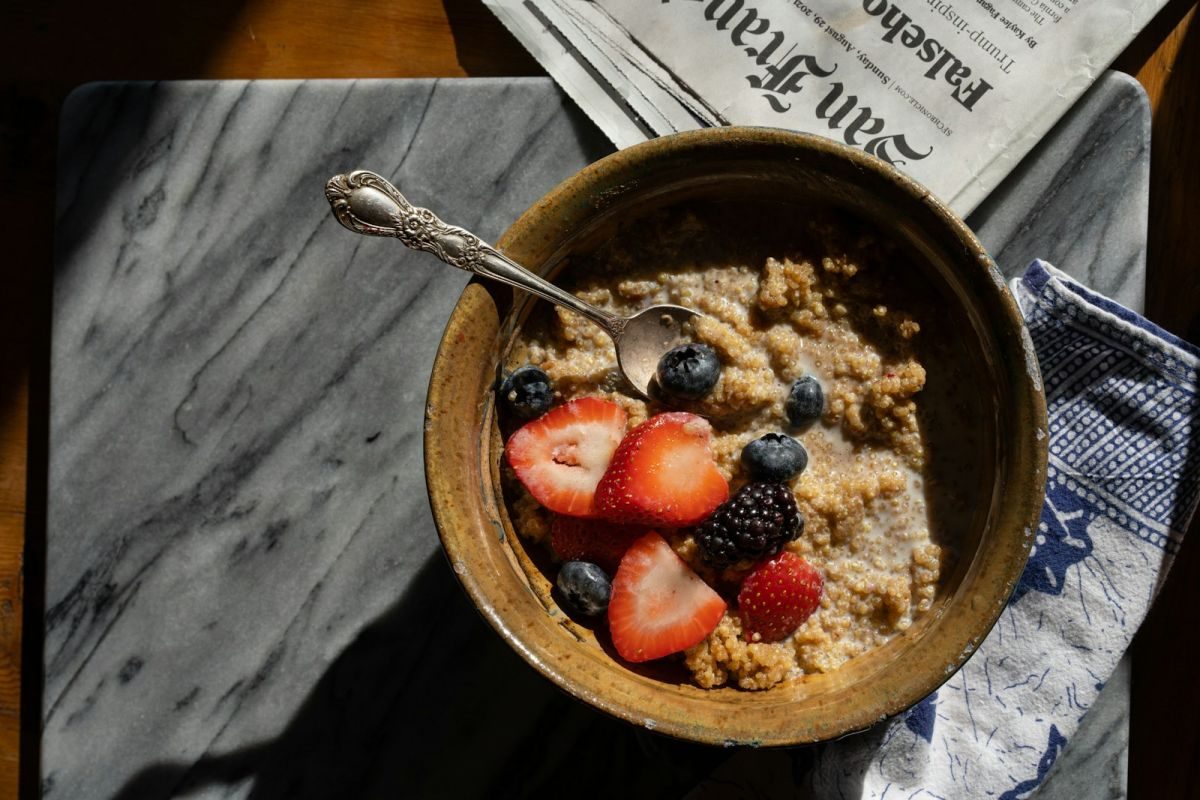
To start your day off right, consider making a quinoa breakfast bowl. Begin with half a cup of cooked quinoa, a splash of almond milk, and a sweetener of your choice, such as honey or maple syrup. Stir these ingredients in a small saucepan over low heat until warm.
Top your breakfast bowl with fresh fruits like berries or banana slices. Adding nuts or seeds can enhance the nutritional profile, providing healthy fats and additional protein. This breakfast is not only filling but also energizing, setting a positive tone for your day.
After consuming this meal, you may feel a steady release of energy throughout the morning. The protein and fiber content will help stabilize blood sugar levels, preventing energy crashes. This sustained energy can enhance your focus and productivity, whether you’re at work or in the gym.
Pro Tip: Experiment with different toppings to keep breakfast exciting and varied.
Using Quinoa in Salads for Lunch
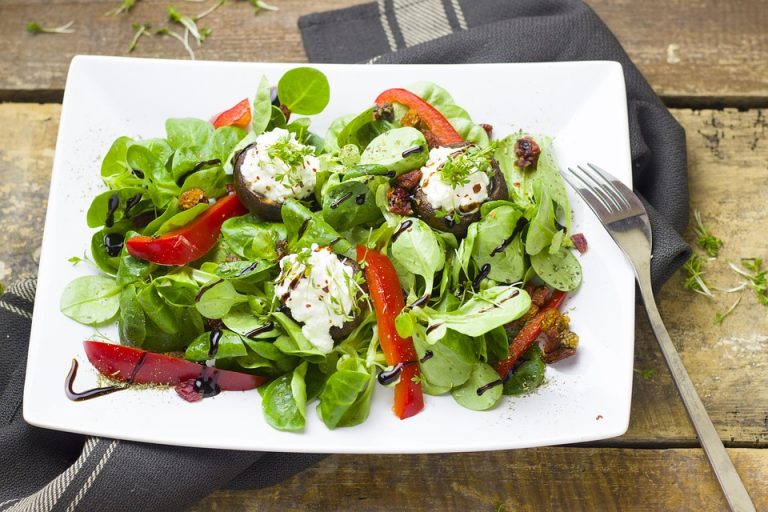
For a nutritious lunch option, consider crafting a quinoa salad. Start by combining one cup of cooked quinoa with a variety of vegetables, such as bell peppers, cucumbers, and cherry tomatoes. Add a source of protein, like chickpeas or grilled shrimp, to make it more substantial.
Dress the salad with a simple vinaigrette made from olive oil, lemon juice, salt, and pepper. This dressing not only adds flavor but also healthy fats that aid in nutrient absorption. Mix all ingredients thoroughly to ensure an even distribution of flavors.
After enjoying this salad, you will likely feel refreshed and satisfied. The protein and fiber content will keep you full until your next meal, preventing unnecessary snacking. This balanced approach can contribute to better overall health and workout performance.
Pro Tip: Prepare salads in advance and store them in airtight containers for quick lunches throughout the week.
Avoiding Common Mistakes
Overcooking Quinoa
One common mistake is overcooking quinoa, which can result in a mushy texture. This may diminish the overall appeal of the dish. To avoid this, always follow the recommended cooking times and ratios. Use a timer to ensure you do not exceed the cooking duration.
Another aspect to consider is rinsing the quinoa before cooking. This helps remove saponins, which can impart a bitter taste. Rinsing thoroughly under cold water can enhance the flavor and texture of the cooked grain. Proper preparation will ensure you enjoy the full benefits of quinoa.
Refrain from skipping the resting period after cooking. Allowing the quinoa to sit for a few minutes before serving can improve its texture. This simple step makes a significant difference in the final product.
Ignoring Nutritional Pairing
Another frequent oversight is not pairing quinoa with complementary nutrients. While quinoa is rich in protein, it is important to combine it with other sources of nutrients. For optimal muscle recovery, include vegetables, healthy fats, and additional proteins in your meals.
Neglecting to incorporate variety in your meals can lead to nutrient deficiencies over time. Mixing quinoa with diverse ingredients not only enhances flavor but also maximizes the health benefits. Aim for a colorful plate to ensure a range of vitamins and minerals.
Consider meal planning to include various nutrients. Planning meals ahead can help you maintain a balanced diet and keep your meals interesting. This proactive approach will support your fitness goals more effectively.
Choosing Low-Quality Quinoa
Selecting low-quality quinoa can impact both taste and nutritional value. Always opt for organic quinoa that is free from additives and preservatives. This ensures you are consuming a product that is not only healthier but also better for the environment.
Reading labels is crucial when shopping for quinoa. Look for brands that provide information on sourcing and processing. High-quality quinoa will have a more pronounced flavor and texture, enhancing your cooking experience.
Additionally, consider buying in bulk to save money and reduce packaging waste. Bulk purchasing often guarantees fresher products and can be more cost-effective. This choice supports both your health and the planet.
Understanding the Science Behind Quinoa
Quinoa’s biological mechanism is rooted in its unique amino acid profile. It contains all nine essential amino acids, making it a complete protein source. This is particularly beneficial for muscle repair and growth, as amino acids serve as the building blocks for new muscle tissue.
Key compounds in quinoa, such as fiber, magnesium, and iron, contribute to its health benefits. Fiber aids in digestion and promotes satiety, while magnesium and iron support energy production and oxygen transport in the body. These elements work together to enhance overall performance during workouts.
Clinical studies have shown that incorporating quinoa into a balanced diet can significantly improve muscle recovery and growth. For more in-depth information, refer to this study. The evidence supports quinoa’s role in promoting optimal health and fitness outcomes.
Selecting the Best Quinoa Products
- Potency: Ensure the quinoa is organic and free from additives. This guarantees a higher nutrient density and better overall quality.
- Purity: Choose quinoa that is certified gluten-free if you have sensitivities. This prevents cross-contamination and ensures safety.
- Form: Opt for whole grain quinoa rather than processed varieties. Whole grains retain more nutrients, providing greater health benefits.
Benefits and Risks
| The Benefits | Potential Downsides |
|---|---|
| Rich in complete protein, aiding in muscle recovery | May cause digestive discomfort in some individuals |
| High in fiber, promoting digestive health | Potential for allergic reactions in sensitive individuals |
| Versatile and easy to incorporate into various meals | Quality may vary between brands and sources |
Adopting Complementary Lifestyle Habits
Incorporating regular strength training into your routine can enhance the benefits of quinoa. Strength training stimulates muscle growth and improves overall fitness. Pairing this with a balanced diet rich in quinoa will yield optimal results in muscle development.
Maintaining hydration is crucial for muscle recovery and performance. Drinking enough water before and after workouts supports nutrient delivery and prevents dehydration. Quinoa can aid this process by providing essential nutrients that help maintain hydration levels.
Who Should Avoid This?
– Individuals with quinoa allergies or sensitivities should avoid consumption.
– Those with specific dietary restrictions must consult a healthcare provider before incorporating quinoa.
– Individuals undergoing certain medical treatments may need to limit their intake of high-fiber foods, including quinoa.
Common Questions
Can quinoa help with weight loss?
Quinoa is high in protein and fiber, which can promote satiety and help control appetite, making it a great addition to a weight loss plan.
Is quinoa gluten-free?
Yes, quinoa is naturally gluten-free, making it suitable for those with celiac disease or gluten sensitivity.
How much quinoa should I eat post-workout?
Aim for half to one cup of cooked quinoa as part of a balanced post-workout meal, combined with other protein and healthy fats.
Can quinoa be eaten every day?
Yes, quinoa can be consumed daily as part of a balanced diet, providing a range of nutrients and health benefits.
The Bottom Line
Quinoa can significantly enhance your workout nutrition and muscle protein gains.
- The Truth: While quinoa is nutritious, it should be part of a varied diet.
- The Strategy: Use quinoa post-workout for optimal recovery.
- The Next Step: Experiment with different quinoa-based recipes to discover your favorites.
Get Your FREE Natural Health Guide!
Subscribe now and receive our exclusive ebook packed with natural health tips, practical wellness advice, and easy lifestyle changes, delivered straight to your inbox.