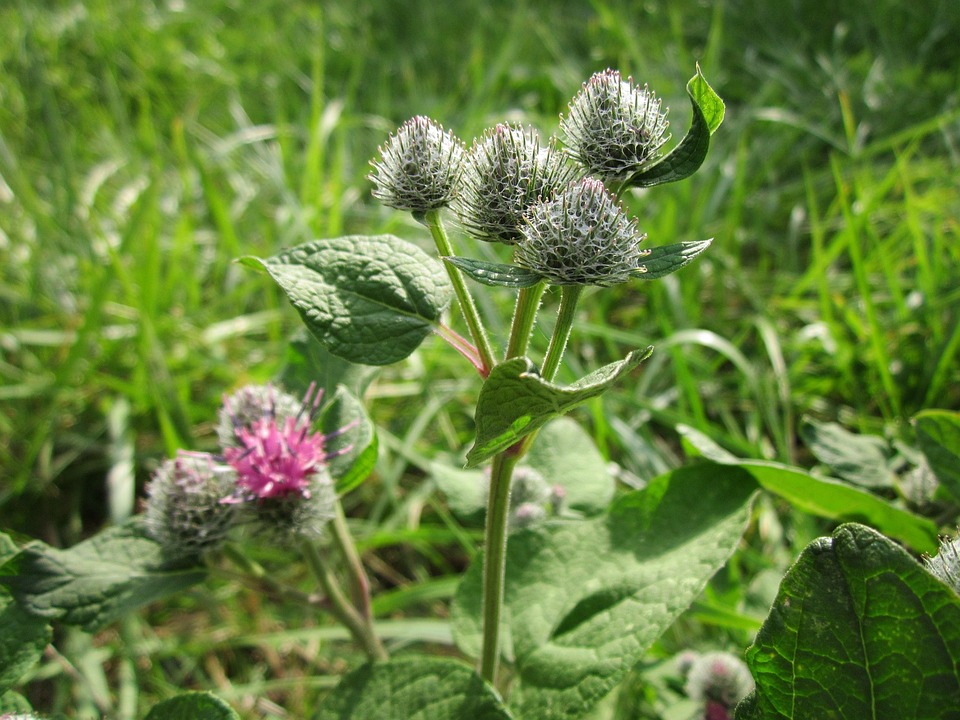

Burdock Root for Skin Detox: Understanding Nature’s Approach
Burdock root, a humble plant found across continents, holds a rich history in traditional wellness practices. People often associate its deep roots with supporting the body’s natural pathways for maintaining health.
This botanical offers a fascinating array of compounds that contribute to its storied reputation. Its use extends beyond historical texts, finding relevance in modern discussions around general wellbeing.
Understanding how burdock root may support skin detox involves looking at its natural properties and how they align with broad wellness goals. It’s a journey into botanical science made accessible.
The Historical Reverence of Burdock Root
Across diverse cultures, burdock root has earned a place of esteem within traditional practices. Records indicate its consistent application for general health support for centuries.
Its robust taproot, which can grow quite long, was a key ingredient in many historical remedies. People often turned to it for overall vitality and balance.
Ancient texts and folklore describe various preparations, from simple decoctions to poultices. These methods highlight an enduring appreciation for its botanical properties.
Today, this historical context informs our understanding of burdock root as a time-honored botanical asset. Its traditional uses laid the groundwork for contemporary exploration.
- Traditional Use: General wellness, supporting bodily balance.
- Notable Cultures: European, Asian, and Indigenous traditions.
- Preparations: Teas, tinctures, food ingredient.
Traditional Preparation Method
To experience this historical connection, people often prepared burdock root as a nourishing herbal tea by simmering its dried root in hot water.
Key Compounds in Burdock Root
Burdock root contains a fascinating profile of bioactive compounds that underpin its traditional uses. These include powerful lignans, a significant amount of inulin, and unique polyacetylenes.
Each component contributes to the plant’s overall impact on general wellness. Understanding these constituents helps illuminate burdock root’s place in natural health.
The synergy of these compounds is often what makes botanical remedies so compelling. It is rarely just one ingredient working in isolation.
People exploring burdock root typically seek to engage with these natural compounds for their potential to support various bodily systems, including those related to skin comfort and appearance.
| Compound Class | Primary Constituents | General Wellness Association |
|---|---|---|
| Lignans | Arctiin, Arctigenin | Supports cellular balance, general physiological harmony |
| Polysaccharides | Inulin | Promotes digestive comfort, supports a balanced internal environment |
| Polyacetylenes | Arctinal, Arctinone | Contributes to overall plant integrity, often discussed in relation to broad natural defenses |
- Primary Lignans: Arctiin, Arctigenin.
- Key Polysaccharide: Inulin.
- Distinctive Compounds: Various polyacetylenes.
Guidance on Compound Engagement
When selecting burdock root products, people often consider forms that aim to preserve the natural spectrum of these beneficial compounds.
Arctiin and Arctigenin: Lignan Power
Arctiin and arctigenin are prominent lignans found within burdock root. Lignans are a type of phytoestrogen, plant compounds that can interact with the body’s systems in various ways.
These specific compounds are a subject of interest in botanical science for their broad actions. They contribute significantly to the plant’s reputation for general health support.
Their presence helps explain why burdock root has been historically valued for maintaining overall internal balance. They are central to the plant’s unique biological signature.
- Active Compound: Arctiin, Arctigenin.
- Class: Lignans.
- Associated Area of Wellness: Cellular support, maintaining physiological harmony.
Incorporating Lignan-Rich Extracts
Some people choose burdock root extracts standardized for these lignans to ensure a consistent botanical experience.
Inulin: The Prebiotic Fiber
Burdock root contains a notable concentration of inulin, a type of fructan. Inulin is a soluble dietary fiber that acts as a prebiotic.
Prebiotics are often discussed in relation to supporting a balanced gut environment. A healthy gut is frequently associated with broader aspects of wellness, including skin appearance.
Maintaining digestive comfort and a thriving internal microbial community is a cornerstone of overall health. Inulin’s role as a prebiotic contributes to this foundational support.
For individuals seeking to bolster their internal balance, the inulin in burdock root presents an interesting botanical avenue. It’s a natural way to support a robust digestive system.
- Active Compound: Inulin.
- Class: Prebiotic fiber.
- General Support: Digestive health, gut microbiome balance.
Integrating Inulin for Wellness
People commonly consume dried burdock root or its extracts to naturally increase their dietary intake of this beneficial prebiotic fiber.
Polyacetylenes: Unique Plant Compounds
Burdock root also provides a group of compounds known as polyacetylenes, such as arctinal and arctinone. These are unique secondary metabolites often found in plants.
These compounds contribute to the plant’s natural defenses in its own environment. This internal resilience of the plant is often of interest when considering its role in human wellness.
While not as widely studied for human health as lignans or inulin, polyacetylenes are part of burdock root’s complete phytochemical profile. They contribute to its complexity.
- Active Compound: Arctinal, Arctinone (examples).
- Class: Polyacetylenes.
- General Interest: Contributes to the plant’s distinct botanical identity and broad physiological support.
Exploring Whole Root Benefits
Many individuals prefer to use whole burdock root preparations, valuing the full spectrum of its natural compounds, including polyacetylenes.
Supporting Skin Wellness: A Burdock Perspective
The concept of “skin detox” within natural health often refers to supporting the body’s inherent mechanisms for maintaining skin clarity and comfort. Burdock root is frequently discussed in this context.
People often explore burdock root to help maintain a balanced internal environment, which many believe reflects positively on skin appearance. It’s about supporting natural physiological harmony.
A significant aspect of skin wellness involves supporting its barrier function and natural vitality. Burdock root’s constituents are often associated with these broad goals.
The aim is always to assist the body in its own efforts to achieve a healthy glow and a comfortable skin feel. This is a foundational principle in botanical support for skin health.
- General Focus: Supporting natural skin comfort and clarity.
- How it Works: Associated with internal balance and natural bodily processes.
- Overall Aim: To contribute to a healthy, vibrant skin appearance.
Holistic Skin Approach
Many individuals integrate burdock root into a broader lifestyle that includes adequate hydration, balanced nutrition, and gentle skin care for comprehensive skin wellness.
Formulations and Applications for Burdock Root
Burdock root is versatile in its application, available in various forms to suit different preferences and wellness goals. People use it both internally and topically.
Common preparations include dried root for teas, tinctures made from fresh or dried root, and encapsulated powders or extracts. Each form offers a distinct way to engage with the plant’s properties.
For those interested in supporting skin comfort, the method of application can vary. Some prefer internal consumption, while others explore topical preparations.
People with underlying conditions often work with a qualified healthcare professional for personalized guidance regarding specific formulations or applications.
- Form: Dried Root.
- Common Use: Herbal teas, decoctions.
- Considerations: Gentle, traditional approach.
Tea Infusion Method
To prepare a burdock root tea, people typically simmer a tablespoon of dried root in about 2 cups of water for 10-15 minutes, then strain and enjoy.
Herbal Tea Infusion
Preparing burdock root as an herbal tea is one of the most traditional and gentle ways to incorporate it into a wellness routine. This method allows for a slow, consistent intake of its water-soluble compounds.
The act of preparing and savoring a warm herbal infusion can also be a calming ritual, contributing to overall wellbeing. It’s a simple, comforting practice.
A well-prepared burdock tea offers a mild, earthy flavor. Many people find it a pleasant addition to their daily regimen, particularly when focusing on internal balance.
- Preparation: Simmering dried root in water.
- Purpose: Gentle internal support, daily wellness ritual.
- Note: Best consumed warm.
Daily Tea Regimen
Many people integrate a cup of burdock root tea into their morning or evening routine to support overall comfort and balance.
Topical Applications
Beyond internal consumption, burdock root can also be explored in topical applications. Preparations like infused oils or salves allow for direct contact with the skin.
These external applications are often discussed in relation to supporting the skin’s natural balance and comfort. They offer a localized way to engage with the plant’s properties.
People exploring topical burdock typically seek to soothe and maintain a healthy skin appearance. It’s an approach that complements internal wellness efforts.
- Application Type: Infused oils, salves, compresses.
- Associated Benefit: Supporting skin comfort and a clear appearance.
- Important Note: Always perform a patch test when using new topical products.
Topical Preparation Instructions
For topical use, some individuals create an infused oil by steeping dried burdock root in a carrier oil, then applying small amounts to the skin as desired.
Considerations and General Safety
While burdock root is generally well-regarded in traditional use, people with underlying health conditions or those taking other supplements often discuss its use with a qualified healthcare professional.
Understanding potential interactions or individual sensitivities is a key aspect of responsible botanical integration. Personal health choices are always best guided by professional advice.
This information is educational and not a substitute for medical advice. Always prioritize personalized guidance for any health concerns or before starting new wellness practices.
The goal is to support your body’s natural processes with awareness and caution. A proactive approach to understanding botanical effects is always beneficial.
- General Principle: Always seek personalized health guidance.
- Important Reminder: This information is for educational purposes only.
- Best Practice: Discuss new botanical inclusions with a healthcare professional.
Seeking Professional Health Insights
Before introducing burdock root or any new botanical into your regimen, people generally find it helpful to consult with a doctor or qualified health practitioner.
Frequently Asked Questions
Is burdock root helpful for maintaining skin clarity?
Many people incorporate burdock root into their wellness routines with the aim of supporting overall skin clarity and comfort. Its traditional use is often associated with promoting a balanced internal environment, which some believe contributes to skin appearance.
What is the best way to consume burdock root for general wellness?
Burdock root is commonly consumed as an herbal tea made from the dried root, or in supplement forms like capsules or tinctures. The choice of form often depends on personal preference and desired integration into a daily routine. Research from the National Institutes of Health provides further context on botanicals.
Can burdock root be applied directly to the skin?
Yes, burdock root extracts or infused oils are sometimes used topically. These preparations are often discussed for their potential to support skin comfort and help maintain a healthy appearance. A patch test is always a good practice before widespread topical application.
How long should one use burdock root to observe general wellness support?
The experience of incorporating botanicals like burdock root for general wellness can vary among individuals. Many people find consistent, long-term use aligns best with their wellness goals, often over several weeks or months. It is generally understood that botanical support takes time.
The Bottom Line
Burdock root stands as a testament to the enduring wisdom of traditional botanical practices. Its rich array of compounds, from lignans to inulin, offers a multifaceted approach to general wellness, particularly for those interested in supporting skin comfort and appearance through natural means.
By understanding its historical context and the science behind its key constituents, you can thoughtfully consider burdock root’s place in your personal wellness journey. It’s about empowering your body’s natural systems for comprehensive vitality.
Remember, while botanicals offer profound support, they integrate best within a holistic health strategy. People often find combining botanical support with a balanced lifestyle, adequate hydration, and personalized professional advice yields the most fulfilling results.
Your Next Step Towards Natural Wellness
Consider exploring high-quality, standardized burdock root extracts or traditional tea preparations to thoughtfully incorporate this ancient botanical into your routine, always mindful of your individual health needs.
Get Your FREE Natural Health Guide!
Subscribe now and receive our exclusive ebook packed with natural health tips, practical wellness advice, and easy lifestyle changes, delivered straight to your inbox.