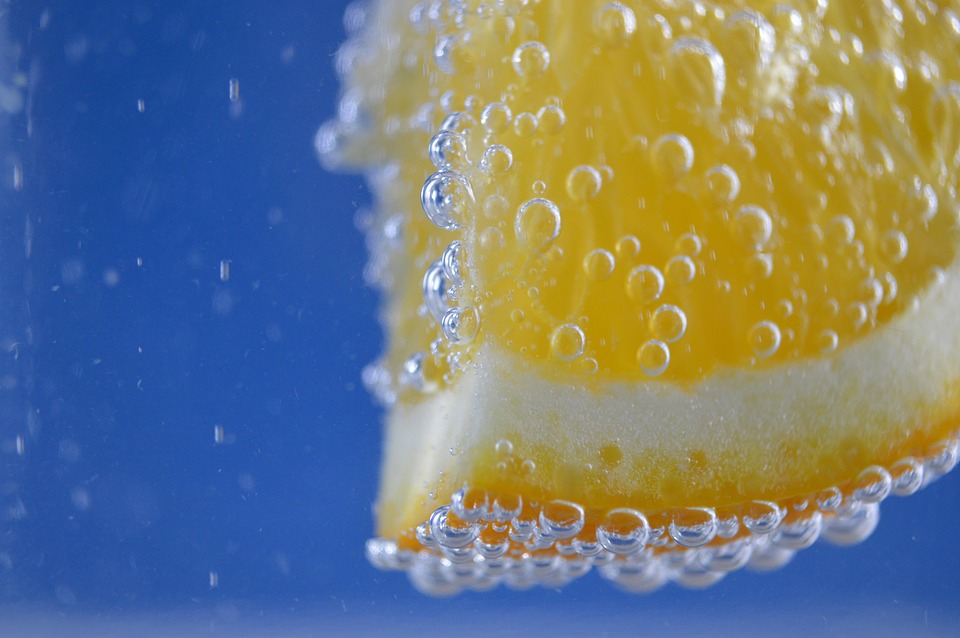

Sensitive bladder issues can significantly impact daily life, leading to discomfort and anxiety. Many people turn to citrus fruits for their refreshing taste and purported health benefits. However, for individuals with sensitive bladders, citrus may exacerbate symptoms. The acidity in these fruits can lead to irritation and discomfort, prompting the need for alternatives that provide similar benefits without the adverse effects. Understanding these alternatives can empower individuals to make informed dietary choices that promote bladder health.
Finding suitable substitutes for citrus can be a game-changer. Many fruits and herbs can offer similar refreshing qualities and health benefits without the acidity that can irritate the bladder. This guide aims to explore various options, focusing on practical applications, common mistakes to avoid, and the underlying science that supports these alternatives. By making informed choices, individuals can enjoy a more comfortable lifestyle while still benefiting from the nutrients typically found in citrus fruits.
A wide range of options exists for soothing a sensitive bladder. Many fruits, such as melons and berries, offer hydration and nutrients without the acidity of citrus. Herbal teas and infusions can also provide soothing effects while supporting bladder health. This guide will delve into these alternatives, providing detailed instructions on how to incorporate them effectively into your daily routine.
The journey to finding the right alternatives may seem daunting, but it is essential for achieving comfort and well-being. By understanding the benefits of these alternatives and how to use them correctly, individuals can take proactive steps in managing their bladder sensitivity. This guide serves as a comprehensive resource to help navigate this journey with confidence.

Contents
How to Use Gentle Alternatives for Real Results
- Best Form: Fresh fruits, herbal teas, and infusions.
- Best Time: Throughout the day, especially during meals.
- Expected Result: Reduced irritation and enhanced hydration.
For Daily Protection
The Prep: Start with watermelon, a hydrating fruit that is gentle on the bladder. Choose a ripe watermelon, cut it into cubes, and remove any seeds. You can also prepare a simple herbal tea using chamomile or peppermint, both known for their soothing properties. Brew one cup of water with a tea bag of your choice for about five minutes.
The Action: Enjoy watermelon cubes as a refreshing snack during the day. For the herbal tea, pour the brewed tea into a cup, and sip slowly. You can add a touch of honey for sweetness if preferred. Consuming these options regularly can help maintain hydration and soothe the bladder.
The Feeling: Watermelon provides a cooling sensation as it hydrates. The herbal tea offers a warm, calming feeling that can help ease tension. The effects may last for a few hours, promoting comfort throughout the day.
Pro Tip: Prepare a batch of watermelon cubes in advance for easy snacking.
Targeting Acute Discomfort
The Prep: When discomfort strikes, reach for cucumber. This vegetable is high in water content and low in acidity. Slice a fresh cucumber into sticks or rounds. For an added soothing effect, prepare a ginger tea by boiling fresh ginger slices in water for about ten minutes.
The Action: Snack on cucumber slices as they are or dip them in a light yogurt dressing. For ginger tea, pour the hot liquid into a mug and sip slowly. Both options can help alleviate acute discomfort and provide hydration.
The Feeling: Cucumber has a crisp texture and a refreshing taste that can instantly soothe. Ginger tea offers a gentle warmth that may help reduce any discomfort in the bladder area. The relief can be felt relatively quickly, often within 30 minutes.
Pro Tip: Keep cucumber slices in a sealed container in the fridge for a quick, refreshing snack.
The Nighttime Routine
The Prep: For a calming evening ritual, use chamomile tea. This herbal option is perfect for promoting relaxation before bed. Boil water and steep a chamomile tea bag for five minutes. Consider having a small bowl of blueberries, which are low in acidity and high in antioxidants.
The Action: Before bedtime, enjoy your chamomile tea in a cozy setting. Pair it with a small bowl of fresh blueberries. Sip the tea slowly, allowing the warmth to relax your body. The blueberries can be a delightful, sweet addition to your nighttime routine.
The Feeling: Chamomile tea brings a soothing warmth that can help ease stress and promote sleep. Blueberries provide a sweet burst of flavor without irritation. The calming effects can last throughout the night, supporting restful sleep.
Pro Tip: Drink chamomile tea about 30 minutes before bedtime for maximum relaxation.
Avoiding Common Pitfalls
Using Low-Quality Ingredients
Using low-quality fruits and herbs can undermine the benefits of natural remedies. Many store-bought products are laden with preservatives and additives that may irritate the bladder. When selecting fruits or herbs, prioritize organic and fresh options. This ensures that you are consuming products free from harmful chemicals, which can exacerbate bladder sensitivity.
Choosing fresh ingredients allows for better flavor and nutrient absorption. If possible, buy local produce to ensure freshness. Avoid canned or processed options that may contain added sugars or preservatives. High-quality ingredients make a significant difference in how your body responds, especially for sensitive bladders.
Ignoring Personal Reactions
Each individual may react differently to various fruits and herbs. Some may find that certain alternatives work well, while others may still experience discomfort. It is crucial to pay attention to how your body responds after consuming different foods. Keeping a food diary can help identify any triggers or sensitivities.
If a particular fruit or herb causes discomfort, it is vital to eliminate it from your diet. Listening to your body is essential in managing bladder health effectively. Taking note of your reactions can lead to better choices in the future.
Overconsumption of Alternatives
While seeking relief, some individuals may overconsume alternatives, thinking that more is better. This mindset can lead to digestive issues or other unintended effects. Moderation is key. Instead of loading up on one type of fruit or herb, practice variety. This approach not only prevents overconsumption but also ensures a broader range of nutrients.
Establish a balanced intake by incorporating different options throughout the week. This strategy will not only benefit bladder health but also contribute to overall wellness. Aim for a mix of hydrating fruits and soothing herbs to maintain comfort.
The Mechanisms at Play
The biological mechanisms behind bladder sensitivity often involve inflammation and irritation. The bladder lining can become sensitive to various substances, leading to discomfort. Certain compounds found in foods can either soothe or aggravate these symptoms. Understanding which foods fall into each category is essential for managing bladder health effectively.
Key compounds in soothing alternatives, such as flavonoids found in blueberries and chamomile, have anti-inflammatory properties. These compounds help reduce irritation and promote healing in the bladder lining. Consuming foods rich in these compounds can provide a protective effect, enhancing overall bladder health.
Clinical evidence supports the use of certain foods and herbal remedies for bladder health. Research has shown that diets rich in antioxidants and anti-inflammatory compounds can reduce the risk of bladder irritation. For more detailed information on natural remedies and their effects, visit PubMed.
Selecting the Right Products
- Potency: Look for products that are high in active compounds. Potency ensures that you are receiving the maximum benefit from the ingredients.
- Purity: Choose products that are free from additives and fillers. Purity is essential to avoid any irritants that may worsen bladder sensitivity.
- Form: Consider whether you prefer fresh, dried, or tea forms. The form can influence how quickly the benefits are experienced and how easily they can be integrated into your routine.
Understanding the Trade-offs
| The Benefits | Potential Downsides |
|---|---|
| Hydration support through high-water content foods. | Some individuals may still experience discomfort from certain alternatives. |
| Natural anti-inflammatory properties from herbs and fruits. | Overconsumption can lead to digestive issues. |
| Nutrient-dense options that support overall health. | Quality can vary significantly between products. |
Enhancing Your Lifestyle
Incorporating regular hydration habits is essential for managing bladder sensitivity. Drinking adequate water daily can help dilute irritants and flush out toxins. Aim for at least eight glasses of water, adjusting for activity levels and climate.
Mindful eating practices can also contribute to bladder health. Taking time to chew food thoroughly and enjoy meals can enhance digestion and reduce stress on the bladder. This approach promotes a more harmonious relationship with food, aiding in overall wellness.
Who Should Avoid This?
– Individuals with specific food allergies or intolerances.
– Those undergoing treatment for bladder-related conditions.
– Pregnant or breastfeeding women without consulting a healthcare provider.
Common Questions
What fruits are best for a sensitive bladder?
Fruits like watermelon, blueberries, and bananas are generally well-tolerated and low in acidity.
Can herbal teas help soothe bladder sensitivity?
Yes, herbal teas such as chamomile and peppermint can provide calming effects and support bladder health.
Is it safe to combine different fruits and herbs?
Combining various fruits and herbs can be beneficial, but it is essential to monitor individual reactions.
How long does it take to notice improvements?
Many individuals notice improvements within a few days of incorporating soothing alternatives into their diet.
The Final Takeaway
Making conscious dietary choices can significantly impact bladder health.
- The Truth: Citrus fruits can irritate sensitive bladders.
- The Strategy: Incorporate gentle alternatives throughout the day.
- The Next Step: Experiment with different fruits and herbs to find what works best for you.
Get Your FREE Natural Health Guide!
Subscribe now and receive our exclusive ebook packed with natural health tips, practical wellness advice, and easy lifestyle changes, delivered straight to your inbox.