
Flaxseeds have emerged as a powerful ally in the fight against tendon inflammation, a condition that can hinder mobility and reduce quality of life. Tendon inflammation, also known as tendinitis, often results from repetitive strain or injury. The discomfort and pain associated with this condition can significantly impact daily activities and athletic performance. While traditional treatments often involve rest, ice, and anti-inflammatory medications, there is a growing interest in natural remedies that can complement these approaches.
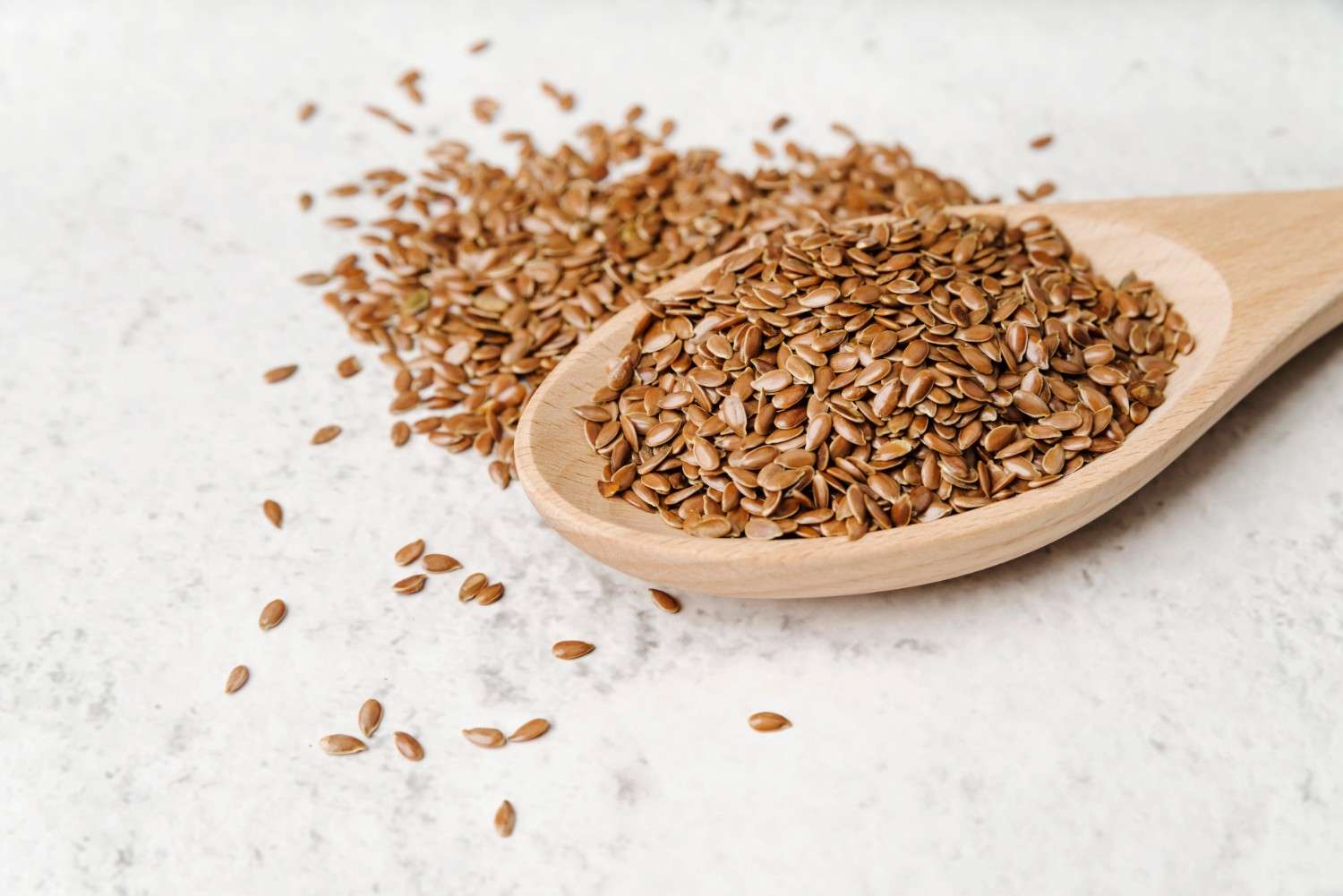
Flaxseeds are rich in omega-3 fatty acids, fiber, and antioxidants, making them a compelling option for those looking to manage inflammation naturally. These tiny seeds pack a nutritional punch, contributing to overall health and wellness, particularly in reducing inflammation. Their unique composition can help modulate the body’s inflammatory responses, potentially alleviating symptoms associated with tendonitis.
The versatility of flaxseeds allows for easy incorporation into various diets. They can be added to smoothies, baked goods, or consumed as a topping for yogurt or salads. This accessibility makes flaxseeds a practical choice for individuals seeking to enhance their dietary intake of anti-inflammatory compounds.
Understanding how to effectively use flaxseeds for tendon inflammation can empower individuals to take charge of their health. This guide will explore practical applications, common mistakes, scientific evidence, and tips for choosing the right flaxseed products.
Contents
How to Use Flaxseeds for Real Results
- Best Form: Ground flaxseeds
- Best Time: Morning for breakfast or smoothies
- Expected Result: Reduced inflammation and improved joint mobility
For Daily Protection
The Prep: Begin by gathering ground flaxseeds, water, and your choice of a smoothie base, such as almond milk or yogurt. Aim for one to two tablespoons of ground flaxseeds for optimal benefits. This combination will create a nutrient-dense start to your day.
The Action: Blend the ground flaxseeds with your liquid base and any additional ingredients like fruits or greens. Blend until smooth. Consuming this smoothie in the morning provides essential nutrients to support your body throughout the day.
The Feeling: Upon consuming, you may experience a sense of fullness and energy. The omega-3s will start working to reduce inflammation over time. Expect a gradual improvement in joint comfort within a few days.
Pro Tip: Experiment with different fruits to enhance the flavor while maximizing nutrient intake.
Targeting Acute Pain
The Prep: For acute tendon pain, prepare a flaxseed gel. Combine two tablespoons of whole flaxseeds with one cup of water in a saucepan. This gel acts as a topical application that can be soothing.
The Action: Heat the mixture on low, stirring continuously until it thickens. Allow it to cool before applying it directly to the inflamed area. Cover with a clean cloth to keep the gel in place.
The Feeling: The gel may provide a cooling sensation on the skin. This soothing effect can last for several hours, offering relief during acute episodes of pain.
Pro Tip: Use this gel post-workout to help mitigate inflammation from physical activity.
The Nighttime Routine
The Prep: Prepare a bedtime snack that includes ground flaxseeds. Combine one tablespoon of flaxseeds with a cup of warm almond milk and a drizzle of honey. This gentle concoction promotes relaxation.
The Action: Heat the almond milk and stir in the flaxseeds and honey. Drink this soothing mixture about an hour before bed. It not only aids in digestion but also supports overnight anti-inflammatory processes.
The Feeling: You may feel a warm, calming sensation as you consume the drink. This can lead to improved sleep quality, which is crucial for recovery from inflammation.
Pro Tip: Consider adding a pinch of cinnamon for additional anti-inflammatory benefits.
Common Errors to Avoid
Using Low Quality Seeds
Using low-quality flaxseeds can diminish the potential benefits. Many commercially available seeds may not be fresh or may have been stored improperly, leading to rancidity. Rancid seeds lose their nutritional value and can even contribute to inflammation instead of alleviating it.
To ensure optimal benefits, purchase flaxseeds from reputable sources. Look for seeds that are labeled organic and check for packaging dates to guarantee freshness.
Neglecting to Grind
Whole flaxseeds can pass through the digestive system undigested. This means the body may not fully absorb the beneficial omega-3 fatty acids and lignans found in flaxseeds.
Grinding flaxseeds before consumption allows for better nutrient absorption. This can be done using a coffee grinder or by purchasing pre-ground flaxseeds. Always store ground flaxseeds in an airtight container in the refrigerator to prevent spoilage.
Ignoring Dosage Recommendations
Overconsumption of flaxseeds can lead to digestive discomfort. Some individuals may experience bloating or gas when consuming large amounts of flaxseeds.
Stick to recommended dosages, typically one to two tablespoons per day. Gradually increase intake if needed but pay attention to how your body responds to avoid discomfort.
The Science Behind Flaxseeds
Tendon inflammation arises from a complex interplay of biological processes. When tendons are injured or subjected to repetitive stress, inflammatory markers are released, leading to pain and swelling. Omega-3 fatty acids found in flaxseeds can modulate these inflammatory pathways by inhibiting the production of pro-inflammatory cytokines.
The key compound in flaxseeds is alpha-linolenic acid (ALA), a type of omega-3 fatty acid. ALA is converted into eicosapentaenoic acid (EPA) and docosahexaenoic acid (DHA) in the body. These compounds exert anti-inflammatory effects by reducing inflammation at the cellular level, promoting healing in damaged tissues.
Clinical studies have supported the anti-inflammatory properties of flaxseeds. Research indicates that regular consumption of flaxseeds can significantly reduce markers of inflammation in the body, thereby aiding in the management of various inflammatory conditions. For further reading, you can explore the findings in detail through this PubMed search.
Choosing the Right Product
- Potency: Look for products with high omega-3 content. Higher potency ensures that you receive the maximum anti-inflammatory benefits.
- Purity: Choose organic flaxseeds to avoid pesticides and additives. This ensures that you are consuming a clean product that supports health.
- Form: Ground flaxseeds are more beneficial than whole seeds. The grinding process enhances nutrient absorption, making it a superior choice.
Benefits vs Risks
| The Benefits | Potential Downsides |
|---|---|
| Rich source of omega-3 fatty acids | May cause digestive discomfort if overconsumed |
| Supports joint health and reduces inflammation | Quality can vary between brands |
| Easy to incorporate into a variety of diets | Can interact with certain medications |
Habits for Enhanced Results
Incorporating regular physical activity can significantly bolster the anti-inflammatory effects of flaxseeds. Engaging in low-impact exercises such as swimming or yoga can promote circulation and support tendon health.
Maintaining a well-balanced diet rich in fruits, vegetables, and whole grains complements the benefits of flaxseeds. This holistic approach helps manage inflammation and supports overall well-being.
Who Should Avoid This?
– Individuals with a known allergy to flaxseeds.
– Those on blood-thinning medications should consult a healthcare provider before use.
– Pregnant or breastfeeding women should seek medical advice before incorporating flaxseeds into their diet.
– People with gastrointestinal disorders should be cautious due to the high fiber content.
Common Questions
Can flaxseeds help with chronic tendon injuries?
Flaxseeds may provide support for chronic tendon injuries due to their anti-inflammatory properties. Regular consumption can aid in managing symptoms over time.
How should flaxseeds be stored?
Store flaxseeds in an airtight container in a cool, dark place. Ground flaxseeds should be refrigerated to maintain freshness and prevent rancidity.
Is there a risk of overconsumption?
Yes, excessive intake can lead to digestive issues. It is advisable to stick to one to two tablespoons daily.
Can flaxseeds interact with medications?
Flaxseeds may interact with blood-thinning medications. Always consult a healthcare provider if you are on medication.
The Bottom Line
Incorporating flaxseeds into your diet can be a beneficial strategy for managing tendon inflammation.
- The Truth: While flaxseeds offer anti-inflammatory benefits, they should not replace conventional treatments.
- The Strategy: Consume flaxseeds regularly in their ground form for best results.
- The Next Step: Consider integrating flaxseeds into smoothies or meals to enhance your nutritional intake.
Get Your FREE Natural Health Guide!
Subscribe now and receive our exclusive ebook packed with natural health tips, practical wellness advice, and easy lifestyle changes, delivered straight to your inbox.