
The struggle with anxiety can feel overwhelming and relentless, leaving individuals searching for effective strategies to alleviate their symptoms. Traditional approaches often include therapy and medication, but many also seek natural remedies that can complement these methods. One such remedy that has garnered attention is magnesium. This essential mineral plays a crucial role in various bodily functions, including nerve transmission and muscle contraction, making it a potential ally in managing anxiety.

Research indicates that magnesium deficiency is linked to increased anxiety and stress levels. The mineral is vital for regulating neurotransmitters, which send messages throughout the brain and nervous system. A diet rich in magnesium can help restore balance and promote feelings of calmness. By incorporating magnesium-rich foods into daily meals, individuals may find a practical solution to ease their anxiety symptoms.
The importance of magnesium extends beyond its physiological roles. It can also influence mood and cognitive function. Low magnesium levels have been associated with an increase in anxiety-related disorders. Understanding how to integrate magnesium into your diet can empower individuals to take a proactive approach to their mental well-being.
This guide delves into the types of foods rich in magnesium that may help ease anxiety. It provides practical applications, scientific insights, and tips for navigating potential pitfalls. Whether you are looking to enhance your current wellness routine or explore new dietary options, the information here will serve as a comprehensive resource for harnessing the benefits of magnesium.
Contents
How to Use Magnesium-Rich Foods for Real Results
- Best Form: Whole foods such as leafy greens, nuts, and seeds
- Best Time: Throughout the day with meals
- Expected Result: Enhanced mood stability and reduced anxiety symptoms
For Daily Protection
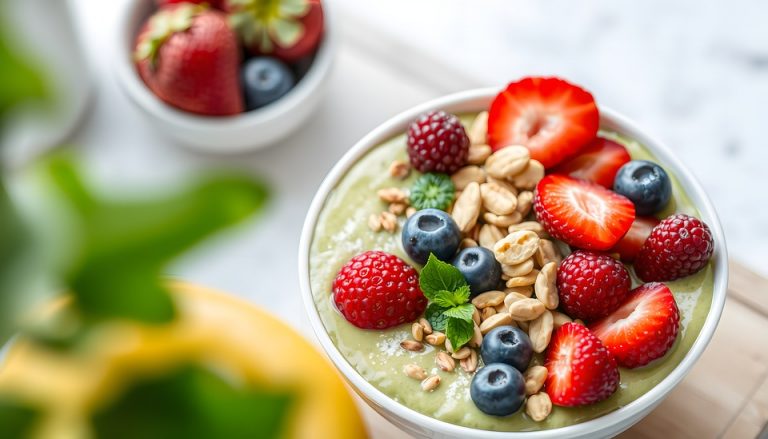
The foundation of a magnesium-rich diet starts with choosing the right ingredients. Incorporate leafy greens like spinach and kale, nuts such as almonds and cashews, and seeds like pumpkin and chia. Prepare a nutrient-dense salad by mixing these ingredients with a vinaigrette dressing. This preparation not only maximizes magnesium intake but also provides essential vitamins and minerals.
Begin by washing and chopping the greens. Next, roughly chop the nuts and seeds. Combine all ingredients in a large bowl, drizzle with olive oil and vinegar, and toss until evenly coated. This simple yet effective dish can serve as a lunch or dinner option.
After enjoying this salad, you may feel a sense of calmness enveloping you. The magnesium from the greens and nuts begins to work on your nervous system, potentially leading to a more relaxed state. This sensation can last a few hours, promoting a steady mood throughout the day.
Pro Tip: Prepare larger portions to have leftovers for the next day.
Targeting Acute Stress
When acute anxiety strikes, certain foods can provide immediate relief. Dark chocolate is a delightful choice that contains high levels of magnesium. To prepare a quick snack, opt for dark chocolate with at least 70% cocoa content. Pair it with a handful of walnuts for added magnesium benefits.
Break the chocolate into small pieces and serve it with walnuts on a plate. This combination not only satisfies your sweet tooth but also delivers a quick magnesium boost.
Upon consuming this snack, you may experience a gentle wave of relaxation. The flavors of chocolate and nuts can stimulate the release of endorphins, enhancing your mood and alleviating anxiety. This effect might be felt within minutes, offering a sweet escape during stressful moments.
Pro Tip: Keep dark chocolate and walnuts on hand for when you need a quick pick-me-up.
The Nighttime Routine
Establishing a calming nighttime routine can significantly improve sleep quality and reduce anxiety. Herbal teas, particularly those infused with chamomile or peppermint, can be excellent choices. These teas are not only soothing but can also contain magnesium, aiding in relaxation.
To prepare a calming tea, steep chamomile flowers or peppermint leaves in hot water for about five minutes. Strain the tea and enjoy it in a quiet space, perhaps while reading a book or practicing mindfulness.
As you sip the warm tea, a sense of tranquility may wash over you. The magnesium, along with the calming properties of the herbs, can help signal your body that it is time to wind down. This peaceful feeling can last throughout the evening, setting the stage for a restful night’s sleep.
Pro Tip: Create a nightly ritual by incorporating this tea into your routine at the same time each evening.
Common Mistakes to Avoid in Your Magnesium Journey
Overlooking Whole Food Sources
Many individuals may turn to supplements without realizing the power of whole foods. Relying solely on magnesium pills can lead to an imbalance of nutrients. Whole foods provide not just magnesium but a host of other essential vitamins and minerals that work synergistically for better health.
To avoid this mistake, prioritize incorporating magnesium-rich foods into your diet. Focus on leafy greens, nuts, seeds, and whole grains. This approach ensures you receive a balanced nutrition profile, enhancing the efficacy of magnesium.
Incorporating these foods into daily meals can make a significant difference in overall well-being. The nutrients from whole foods contribute to a more comprehensive strategy for managing anxiety.
Ignoring Personal Sensitivities
Some individuals may experience digestive issues when consuming certain magnesium-rich foods. Foods like beans or lentils, while excellent sources of magnesium, can cause discomfort for those with sensitivities. Ignoring these reactions can lead to frustration and deter individuals from pursuing a magnesium-rich diet.
To avoid this mistake, pay close attention to how your body reacts to different foods. Keep a food diary to track which magnesium-rich options work for you and which do not. This awareness can help you tailor your diet to support your health without discomfort.
Understanding your body’s responses empowers you to make informed choices about what to include in your diet.
Neglecting Consistency
One of the most common mistakes is inconsistency in dietary habits. Many may try magnesium-rich foods for a short period and expect immediate results. Anxiety management is a long-term journey that requires sustained effort and commitment.
To counter this mistake, develop a meal plan that incorporates magnesium-rich foods consistently. Aim for a variety of sources throughout the week, ensuring you enjoy a balanced intake of nutrients.
This approach helps create a foundation for better mental health. Over time, you may notice a gradual reduction in anxiety symptoms, reinforcing the importance of consistency in your dietary choices.
The Science of Magnesium and Anxiety
Magnesium plays a pivotal role in regulating neurotransmitters and maintaining nerve function. It is involved in over 300 biochemical reactions in the body, including those that manage stress responses. When magnesium levels are optimal, the body can better handle stress and anxiety.
One of the key compounds in magnesium that contribute to its calming effects is GABA (gamma-aminobutyric acid). Magnesium aids in the synthesis of GABA, a neurotransmitter that inhibits nerve transmission in the brain, leading to a calming effect. This relationship highlights the importance of magnesium in mental health.
Clinical studies have shown a significant correlation between magnesium intake and anxiety reduction. A review of research published in the NIH ODS Fact Sheet indicates that individuals with higher magnesium levels report lower anxiety and stress levels. This evidence underscores the potential of dietary magnesium as a natural remedy for anxiety.
Choosing the Right Magnesium Products
– **Potency:** Look for products that clearly state their magnesium content. Knowing the amount ensures you meet your daily requirements effectively.
-
Purity: Choose magnesium supplements that are free from unnecessary fillers or additives. Pure products are more likely to provide the intended benefits without adverse effects.
-
Form: Magnesium comes in various forms, such as citrate, glycinate, and oxide. Citrate is often better absorbed, while glycinate may be gentler on the stomach. Understanding these differences helps in selecting the right type for your needs.
Benefits versus Risks
| The Benefits | Potential Downsides |
|---|---|
| Supports mood regulation | Excessive intake can lead to gastrointestinal issues |
| Enhances sleep quality | May interact with certain medications |
| Reduces muscle tension | Not suitable for individuals with certain health conditions |
Habits to Enhance Magnesium Intake
Incorporating regular physical activity can enhance magnesium utilization in the body. Exercise promotes better blood circulation and helps in the absorption of nutrients, including magnesium.
Mindfulness practices such as meditation can also complement a magnesium-rich diet. These practices help reduce stress, potentially lowering the need for higher magnesium levels.
Who Should Avoid This?
– Individuals with kidney disease should avoid magnesium-rich foods unless advised by a healthcare provider.
– Those taking medications that interact with magnesium should consult with their physician.
– Pregnant or breastfeeding women should seek medical advice before increasing magnesium intake.
Common Questions
How much magnesium do I need daily?
Adult women typically need about 310-320 mg, while men require approximately 400-420 mg per day.
Can I get enough magnesium from food alone?
Yes, a balanced diet rich in leafy greens, nuts, seeds, and whole grains can provide adequate magnesium levels.
Is it safe to take magnesium supplements?
Generally, magnesium supplements are safe for most people. However, consulting with a healthcare provider is recommended before starting any new supplement.
What are the signs of magnesium deficiency?
Symptoms of magnesium deficiency include muscle cramps, fatigue, irritability, and anxiety.
The Bottom Line
Incorporating magnesium-rich foods into your diet may provide a natural way to ease anxiety.
- The Truth: While magnesium can help, it is not a standalone solution for anxiety.
- The Strategy: Consistently include magnesium-rich foods in your meals for optimal results.
- The Next Step: Consider keeping a food diary to track your magnesium intake and its effects on your mood.
Get Your FREE Natural Health Guide!
Subscribe now and receive our exclusive ebook packed with natural health tips, practical wellness advice, and easy lifestyle changes, delivered straight to your inbox.