
Breastfeeding can be a challenging journey for many mothers, especially when it comes to maintaining an adequate milk supply. Various factors contribute to low milk production, including stress, dietary deficiencies, and hormonal imbalances. Mothers often find themselves searching for natural remedies to enhance their milk supply. One such remedy that has gained attention is moringa, a nutrient-rich plant known for its health benefits.
Moringa leaves are packed with vitamins, minerals, and antioxidants, making them a potential ally for breastfeeding mothers. The plant has a long history of use in traditional medicine, particularly in regions where it is readily available. Many cultures recognize moringa as a galactagogue, a substance that promotes lactation. As more mothers seek natural solutions, understanding how to effectively incorporate moringa into their diets becomes essential.
This guide will delve into moringa’s role in naturally enhancing breast milk supply. It will explore practical applications, common mistakes to avoid, the science behind its effectiveness, and how to choose the right moringa product. By the end of this guide, mothers will have a comprehensive understanding of how to harness the benefits of this powerful plant.
Moringa offers a multifaceted approach to supporting lactation. The nutrients found in moringa not only help with milk production but also contribute to the overall well-being of both mother and child. With the right knowledge and application, mothers can experience an increase in their milk supply while enjoying the additional health benefits moringa provides.
Contents
How to Use Moringa for Real Results
- Best Form: Moringa powder or capsules
- Best Time: 30 minutes before breastfeeding
- Expected Result: Increased milk supply and enhanced energy
For Daily Nutritional Support
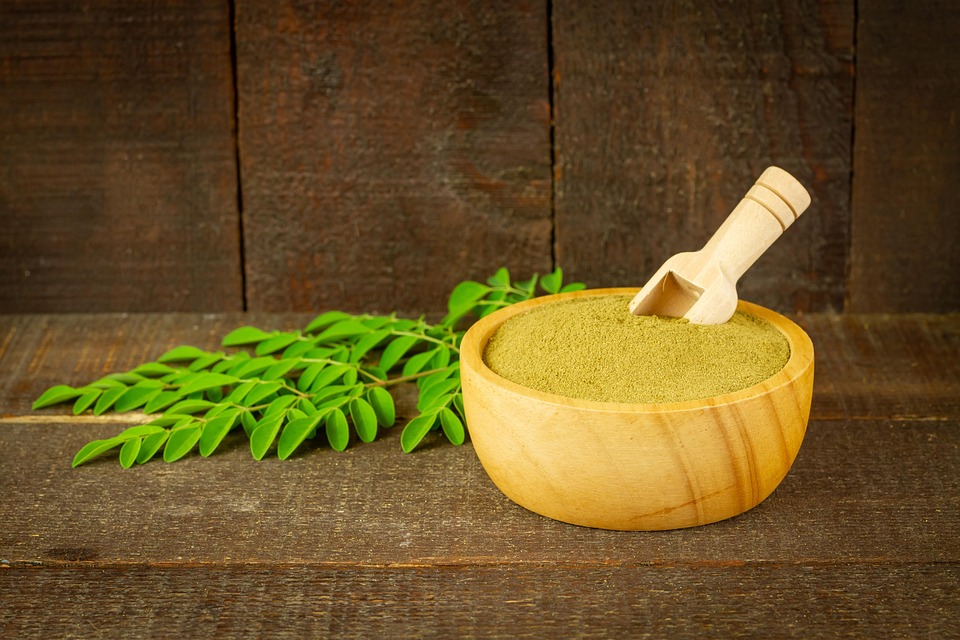
The Prep: Start by sourcing high-quality moringa powder. You will need one teaspoon of moringa powder, a glass of water, and a small whisk or spoon for mixing. Ensure that your utensils are clean to avoid contamination.
The Action: Mix the moringa powder into the glass of water until it is fully dissolved. Drink this mixture about 30 minutes before breastfeeding. This timing allows the nutrients to be absorbed and utilized by your body effectively.
The Feeling: After consuming moringa, many mothers report a gradual sense of well-being. You may notice an increase in energy levels, which can help during those tiring breastfeeding sessions. The effects generally take around 30 minutes to manifest.
Pro Tip: Try adding moringa powder to smoothies or soups for an easy nutritional boost.
For Enhanced Milk Production
The Prep: Gather one tablespoon of moringa powder, a cup of warm milk or plant-based milk, and honey or sweetener to taste. This combination not only enhances milk supply but also offers a comforting drink.
The Action: Warm the milk in a saucepan, then add the moringa powder and stir until well combined. Sweeten to your liking and drink this mixture about an hour before breastfeeding to maximize its effects.
The Feeling: The warm drink provides a soothing sensation, making it easier to relax. Many mothers find that this ritual helps them feel more connected to their baby during feeding times.
Pro Tip: Experiment with different milk types to find the flavor that you enjoy most.
For Stress Relief and Relaxation
The Prep: For this, you will need moringa tea bags or loose moringa leaves, a cup of boiling water, and optional lemon or ginger for added flavor. This soothing tea can help reduce stress, which is essential for milk production.
The Action: Steep the moringa leaves or tea bag in boiling water for about five to seven minutes. If desired, add lemon or ginger for extra flavor. Enjoy this tea in the evening or during moments of stress to promote relaxation.
The Feeling: Many mothers report a calming effect from drinking moringa tea. The warmth and flavors can provide comfort, making it easier to unwind after a long day.
Pro Tip: Create a calming routine by incorporating this tea into your evening self-care ritual.
Avoiding Common Pitfalls
Using Low-Quality Moringa Products
Many mothers may not realize that the quality of moringa products can vary significantly. Low-quality moringa may contain fillers or contaminants that can diminish its effectiveness. Always look for products that are certified organic and sourced from reputable suppliers.
Choosing high-quality moringa ensures that you receive all the beneficial nutrients. Organic products are less likely to contain harmful pesticides or chemicals that could affect your health and your baby’s well-being.
Investing in quality moringa not only enhances your milk supply but also contributes to your overall health. Always read labels and do your research on the brand before making a purchase.
Neglecting to Monitor Your Body’s Response
Some mothers may overlook the importance of tracking their body’s response to moringa. Individual reactions can vary based on dietary habits, hydration levels, and overall health. Keeping a journal can help you identify how moringa affects your milk supply and energy levels.
Monitoring your body’s response allows you to make informed decisions about dosage and frequency. If you notice any adverse effects or no improvement after consistent use, it may be time to reassess your approach.
Listening to your body is crucial. Adjusting your intake based on your experiences will ensure you maximize the benefits of moringa.
Ignoring Other Nutritional Needs
Relying solely on moringa for milk supply can lead to nutritional imbalances. While moringa is nutrient-rich, a balanced diet is essential for optimal lactation. Ensure you consume a variety of foods, including fruits, vegetables, lean proteins, and whole grains.
A well-rounded diet supports overall health and enhances milk production. Nutritional deficiencies can impact hormone levels, which play a significant role in lactation.
Prioritize a balanced diet alongside moringa supplementation to achieve the best results.
The Mechanisms Behind Moringa’s Effects
Moringa contains a unique profile of nutrients that support lactation. Key vitamins and minerals such as calcium, magnesium, and iron play vital roles in milk production. These nutrients help maintain hormonal balance, which is crucial for breastfeeding success.
One of the standout compounds in moringa is phytochemical called niazimicin. Research suggests that niazimicin may positively influence lactation by supporting hormonal activity. This compound works synergistically with other nutrients in moringa to enhance overall health and well-being.
Clinical studies have supported the use of moringa as a galactagogue. For more detailed research, visit PubMed for a compilation of relevant studies.
Choosing the Right Product
- Potency: Look for products with a higher concentration of moringa per serving. This ensures you receive adequate nutrients to support lactation.
- Purity: Choose products that are free from additives and fillers. Pure moringa provides maximum benefits without unwanted ingredients.
- Form: Decide between powder, capsules, or tea based on your lifestyle preferences. Each form has unique benefits and can be integrated into your routine differently.
Benefits vs Risks
| The Benefits | Potential Downsides |
|---|---|
| Rich in essential nutrients that support lactation | Quality varies among products |
| May help reduce stress and improve overall well-being | Possible allergic reactions in sensitive individuals |
| Supports energy levels during breastfeeding | Excessive consumption may lead to digestive discomfort |
Healthy Lifestyle Practices
Incorporating regular exercise into your routine can enhance overall health and support lactation. Activities such as walking or gentle yoga can reduce stress and improve circulation, which is beneficial for milk production.
Maintaining hydration is equally important. Drinking plenty of water throughout the day helps support milk supply and overall well-being. Aim for at least eight glasses of water daily, adjusting based on activity levels and climate.
Who Should Avoid This?
– Pregnant women should consult with a healthcare provider before using moringa.
– Individuals with allergies to plants in the Moringaceae family should avoid moringa.
– Those on specific medications, such as anticoagulants, should seek medical advice before use.
– People with thyroid issues should consult a healthcare professional before incorporating moringa into their diet.
Common Questions
How quickly can I expect results from moringa?
Results can vary, but many mothers notice improvements within a few days to a week of consistent use.
Can I take moringa while pregnant?
Consult your healthcare provider before taking moringa during pregnancy, as its effects are less understood in this context.
Is moringa safe for breastfeeding?
Yes, moringa is considered safe for breastfeeding mothers, but it’s essential to start with small doses and monitor your body’s response.
Can moringa replace my current lactation supplements?
Moringa can complement your current regimen but should not replace prescribed supplements without consulting a healthcare provider.
The Bottom Line
Moringa can be a beneficial addition to a breastfeeding mother’s diet.
- The Truth: While moringa offers many benefits, it may not be a miracle solution for everyone.
- The Strategy: Incorporate moringa about 30 minutes before breastfeeding for optimal results.
- The Next Step: Consider pairing moringa with a balanced diet and hydration for enhanced effects.
Get Your FREE Natural Health Guide!
Subscribe now and receive our exclusive ebook packed with natural health tips, practical wellness advice, and easy lifestyle changes, delivered straight to your inbox.