
The modern world presents numerous challenges that often lead to anxiety and stress. Many individuals find themselves struggling to cope with the pressures of daily life. This constant state of worry can result in insomnia, fatigue, and a decline in overall well-being. Turning to natural remedies has become increasingly popular, with many seeking alternatives to pharmaceutical solutions. One such remedy that has gained significant attention is holy basil tea, a soothing beverage known for its calming properties.
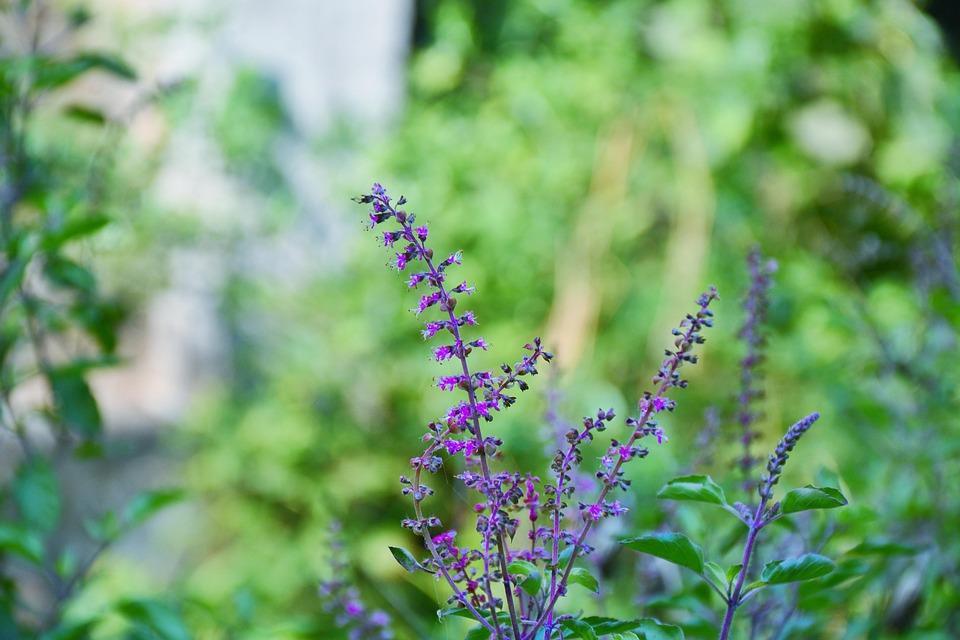
Holy basil, also known as Tulsi, has been revered in traditional medicine for its adaptogenic qualities. Adaptogens are substances that help the body adapt to stress and promote mental balance. Drinking holy basil tea is not just a ritual; it can be a practical approach to managing anxiety. The tea provides a moment of pause, allowing individuals to reconnect with themselves and find a sense of tranquility.
Incorporating holy basil tea into a daily routine can be a transformative experience. The ritual of brewing and sipping this herbal infusion encourages mindfulness, creating a serene atmosphere that fosters relaxation. This guide aims to explore the various ways holy basil tea can help alleviate anxiety, providing practical applications, scientific insights, and lifestyle tips.
Understanding how to effectively use holy basil tea can empower individuals to take charge of their well-being. This guide delves into the nuances of preparation, common mistakes to avoid, and the science behind this remarkable herb. By the end, readers will have a comprehensive understanding of how to integrate holy basil tea into their lives for enhanced serenity.
Contents
How to Use Holy Basil Tea for Real Results
- Best Form: Loose leaf or tea bags
- Best Time: Evening or during stressful moments
- Expected Result: Reduced anxiety and improved relaxation
For Daily Protection
The preparation begins with selecting high-quality loose leaves or tea bags. Ensure the leaves are organic to maximize benefits. You’ll need about one teaspoon of dried holy basil leaves or one tea bag. Boil water in a kettle, allowing it to reach a temperature of around 200°F for optimal extraction.
To brew, pour the hot water over the holy basil leaves in a cup. Let it steep for about five to ten minutes. This infusion time allows the beneficial compounds to be released fully. Strain the leaves if using loose tea. The aroma will fill your space, creating a calming environment.
As you sip the tea, a warm sensation envelops your body. You may experience a gentle tingling in your extremities as your body relaxes. The calming effects typically begin within 20 minutes and can last for several hours. The ritual of preparation and sipping fosters mindfulness, further enhancing the overall experience.
Pro Tip: Experiment with adding a slice of lemon or a touch of honey for added flavor and benefits.
Targeting Acute Stress
For moments of acute stress, prepare a more concentrated infusion. Use two teaspoons of holy basil leaves or two tea bags. Boil water as before, ensuring it is hot but not boiling.
Pour the water over the leaves and steep for twelve to fifteen minutes. This longer steeping time extracts more of the active compounds, providing a potent dose of relaxation. Strain if using loose leaves before drinking.
As you consume the tea, you may notice an immediate sense of calm washing over you. The tension in your shoulders may begin to dissipate, and your mind will start to quiet. The effects can be felt within minutes, making this a perfect remedy during stressful workdays or before important events.
Pro Tip: Keep a thermos of this tea handy to sip throughout the day whenever stress levels rise.
The Nighttime Routine
For a peaceful night’s sleep, prepare holy basil tea an hour before bedtime. Use one teaspoon of dried leaves or one tea bag. Boil water and allow it to cool slightly before pouring it over the leaves, aiming for a temperature of around 190°F.
Steep the tea for about ten minutes, allowing the calming compounds to infuse thoroughly. Strain the tea before drinking. Consider adding a touch of chamomile for an extra calming effect.
While sipping, you may feel a gradual heaviness in your eyelids, signaling your body’s readiness for sleep. The calming properties can help quiet a racing mind, making it easier to drift off. Expect to feel relaxed within half an hour, leading to a more restful night.
Pro Tip: Create a calming bedtime ritual by pairing the tea with soft music or a book.
Common Mistakes to Avoid
Using Low-Quality Herbs
One common mistake is using low-quality holy basil. Many commercially available products lack the potency necessary for effective anxiety relief. Low-quality herbs may be stale or contaminated, diminishing their benefits. Always choose organic and reputable sources.
To ensure quality, look for brands that provide transparency in sourcing and testing. Freshness is key, as older herbs lose their efficacy. Investing in high-quality products will yield better results and enhance your overall experience.
Neglecting Proper Brewing Techniques
Another common error is improper brewing techniques. Many people do not steep the tea long enough or use water that is too hot, which can result in a bitter taste and ineffective extraction of beneficial compounds. The ideal brewing time and temperature are crucial for maximizing the tea’s calming effects.
Follow specific guidelines for steeping time and water temperature. Adjusting these factors can significantly improve the flavor and potency of the tea. Experiment to find the best combination that suits your palate.
Overconsumption
Overconsuming holy basil tea can lead to unintended side effects. While it is generally considered safe, excessive intake may cause digestive upset or dizziness. Moderation is essential for any herbal remedy.
Stick to recommended amounts, typically one to three cups daily. Listen to your body and adjust your intake based on how you feel. Being mindful of consumption will ensure you enjoy the benefits without adverse effects.
The Science Behind Holy Basil Tea
Holy basil tea works through various biological mechanisms that help reduce anxiety. The herb contains adaptogenic properties that help the body cope with stress. Adaptogens regulate the body’s response to stressors, supporting mental clarity and emotional stability.
The key compound in holy basil is eugenol, an essential oil that possesses anti-inflammatory and calming effects. Eugenol interacts with neurotransmitters, helping to modulate mood and promote a sense of well-being. This compound is essential in providing the anxiety-relieving benefits associated with holy basil.
Research supports the efficacy of holy basil in alleviating stress and anxiety. A study published in the Journal of Alternative and Complementary Medicine found that holy basil extract significantly reduced stress levels in participants. For more detailed information, you can explore the findings on PubMed.
Choosing the Right Product
- Potency: Look for products that specify the amount of active ingredients. Higher potency often translates to more effective results.
- Purity: Choose organic and non-GMO options. Purity ensures you are consuming a product free from harmful pesticides and additives.
- Form: Decide between loose leaf and tea bags based on convenience and personal preference. Loose leaves often provide a fresher taste and higher efficacy.
Pros & Cons of Holy Basil Tea
| The Benefits | Potential Downsides |
|---|---|
| Reduces anxiety and stress levels | May cause digestive upset in some individuals |
| Promotes relaxation and better sleep | Overconsumption can lead to dizziness |
| Supports overall mental clarity | Quality varies between products |
Habits to Enhance Benefits
Incorporating mindfulness practices can significantly enhance the benefits of holy basil tea. Engaging in meditation or deep-breathing exercises while sipping the tea can amplify its calming effects. This practice fosters a deeper connection to the moment, allowing for better stress management.
Regular physical activity also complements the effects of holy basil tea. Exercise releases endorphins, which can improve mood and reduce anxiety. Pairing these habits with the tea can create a holistic approach to mental well-being.
Who Should Avoid This?
- Pregnant or breastfeeding women should consult a healthcare provider before using holy basil.
- Individuals taking blood-thinning medications may need to avoid holy basil due to its potential effects on blood clotting.
- People with low blood pressure should be cautious, as holy basil may further lower blood pressure levels.
Common Questions
How often can I drink holy basil tea?
You can safely consume one to three cups daily, depending on your tolerance and desired effects.
Can I drink holy basil tea with other herbal teas?
Yes, holy basil pairs well with other calming herbs like chamomile or lavender for enhanced relaxation.
Is holy basil tea safe for everyone?
While generally safe, individuals with specific health conditions should consult a healthcare provider before use.
When is the best time to drink holy basil tea?
The best times are during stressful moments or in the evening before bed to promote relaxation.
The Bottom Line
Holy basil tea offers a natural approach to managing anxiety and promoting relaxation.
- The Truth: While it provides significant benefits, it is not a substitute for professional medical advice.
- The Strategy: Incorporate it into your evening routine for optimal results.
- The Next Step: Consider adding mindfulness practices to enhance the calming effects.
Get Your FREE Natural Health Guide!
Subscribe now and receive our exclusive ebook packed with natural health tips, practical wellness advice, and easy lifestyle changes, delivered straight to your inbox.