
Women experiencing hair thinning or loss often face emotional distress and a sense of loss regarding their identity. The search for effective solutions can lead to frustration, especially when traditional treatments yield limited results. Many are turning to natural remedies as alternatives to pharmaceutical options, intrigued by their potential benefits without the harsh side effects. Among these remedies, rosemary water has gained attention alongside the widely known minoxidil, a topical treatment approved for hair regrowth.
Understanding the efficacy of these two options requires a closer examination of their mechanisms, application methods, and overall effectiveness. While rosemary water is celebrated for its natural properties, minoxidil has a robust clinical backing. Women looking for solutions need to weigh the pros and cons of each. This guide will explore how to use both treatments effectively, the science behind them, common pitfalls to avoid, and overall best practices.
With a growing body of anecdotal evidence supporting rosemary water, it’s essential to differentiate between what is merely popular and what is scientifically validated. The journey to finding the right solution for hair loss is deeply personal, and making an informed decision can empower women to take control of their hair health. The following sections will delve into practical applications, scientific insights, and lifestyle considerations that can enhance hair growth.
Ultimately, the aim is to provide clarity on whether rosemary water or minoxidil is the better choice for women seeking hair restoration.
Contents
How to Use Rosemary Water and Minoxidil for Real Results
- Best Form: Rosemary water or topical minoxidil.
- Best Time: Twice daily for minoxidil; 2-3 times weekly for rosemary water.
- Expected Result: Improved hair density and growth within 3-6 months.
For Daily Protection
Start with fresh rosemary leaves or high-quality rosemary essential oil. For a DIY approach, steep a handful of rosemary leaves in boiling water for about 15 minutes. Allow it to cool and strain the liquid into a spray bottle. If using essential oil, mix a few drops with a carrier oil like jojoba or coconut oil.
To apply, section your hair and spray the rosemary water directly onto your scalp. If using the oil blend, apply a few drops to your fingertips and massage it into your scalp, ensuring even distribution. Let it sit for at least 30 minutes before washing it out.
The sensation can vary. Rosemary water typically provides a refreshing and cooling effect, while the oil may induce a warm, tingling feeling. Both sensations indicate increased blood circulation, which is beneficial for hair follicles.
Pro Tip: Use rosemary water as a leave-in treatment for added moisture and shine.
Targeting Acute Hair Loss
For more intensive treatment, prepare rosemary water with a higher concentration of rosemary. Combine one cup of boiling water with three tablespoons of fresh rosemary leaves. Allow this mixture to steep longer, about 30 minutes, for a potent infusion.
Apply this stronger rosemary water directly onto clean, dry hair. Use a dropper or spray bottle for targeted application, focusing on areas of thinning hair. Leave it on overnight for maximum absorption.
You may notice a stimulating effect on your scalp, which can last for an hour or two. This indicates increased blood flow to the hair follicles, promoting growth.
Pro Tip: Mix in a few drops of peppermint oil for an invigorating boost.
The Nighttime Routine
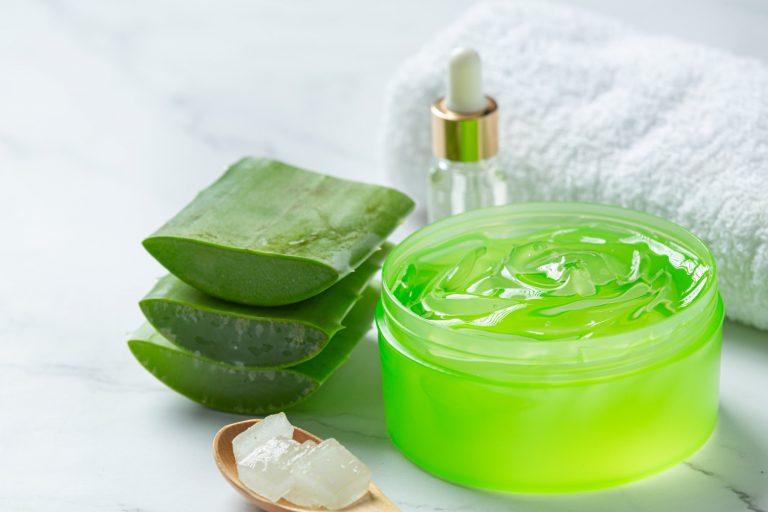
For a nighttime regimen, prepare rosemary water as outlined previously, but consider combining it with other beneficial ingredients. Adding ingredients like aloe vera gel can enhance moisture retention.
Apply the mixture generously to your scalp, parting your hair to ensure full coverage. Gently massage it into your scalp using circular motions to stimulate the area. Allow it to sit overnight without rinsing.
You may feel a soothing sensation as the rosemary water works overnight. This method not only nourishes the scalp but also allows for prolonged exposure to the active compounds in rosemary.
Pro Tip: Sleep with a silk scarf or pillowcase to avoid friction and preserve moisture.
Common Pitfalls to Avoid When Using Hair Treatments
Overuse of Products
Many women mistakenly believe that using more product will yield quicker results. This can lead to product buildup, scalp irritation, and even hair loss. Over-application of rosemary water or minoxidil can clog pores and hinder hair growth.
To fix this, stick to recommended dosages. For rosemary water, 2-3 times a week is sufficient. For minoxidil, follow the instructions on the packaging, generally two applications per day. Consistency is key, not quantity.
Ignoring the Scalp Condition
Another common error is neglecting scalp health. A dirty or irritated scalp can impede the absorption of beneficial ingredients. If the scalp is not clean, the effectiveness of both rosemary water and minoxidil will be compromised.
Regularly wash your hair with a gentle, sulfate-free shampoo to maintain scalp health. Exfoliating the scalp once a month can also help remove dead skin cells, promoting better absorption of treatments.
Neglecting a Holistic Approach
Focusing solely on topical treatments without considering overall health can limit effectiveness. Hair loss often reflects internal issues like nutritional deficiencies or hormonal imbalances. Ignoring these factors can lead to disappointing results.
Incorporate a balanced diet rich in vitamins and minerals essential for hair health, such as biotin, zinc, and omega-3 fatty acids. Consult a healthcare professional for personalized advice on supplementation.
The Science Behind Hair Growth Treatments
Both rosemary water and minoxidil operate through different biological mechanisms that promote hair growth. Rosemary water is believed to enhance blood circulation in the scalp, providing hair follicles with necessary nutrients. Its antioxidant properties may also prevent oxidative stress, which can contribute to hair loss.
Minoxidil, on the other hand, is a vasodilator. It widens blood vessels in the scalp, increasing blood flow and stimulating hair follicles. The primary compound in minoxidil is thought to extend the anagen phase of hair growth, leading to thicker and longer hair.
Research supports the effectiveness of rosemary as a natural hair growth remedy. A study showed that rosemary oil was as effective as minoxidil in promoting hair growth in those with androgenetic alopecia, a common type of hair loss. For further information, visit this link.
Choosing the Right Product
- Potency: Ensure the product has a sufficient concentration of active ingredients. Higher potency often correlates with better results.
- Purity: Look for products free from harmful additives and chemicals. Pure formulations are less likely to irritate the scalp.
- Form: Choose a form that fits your lifestyle. Rosemary water can be a DIY option, while minoxidil comes in easy-to-use topical solutions.
Benefits vs Risks
| The Benefits | Potential Downsides |
|---|---|
| Natural ingredient with fewer side effects. | Results may take longer to appear. |
| Enhances scalp health and hydration. | May cause allergic reactions in sensitive individuals. |
| Improves blood circulation to hair follicles. | Requires consistent use for lasting results. |
Habits for Enhanced Hair Health
Incorporating stress management techniques such as yoga or meditation can significantly improve hair health. Chronic stress contributes to hair loss, so finding ways to relax can enhance the effectiveness of any treatment.
Maintaining a balanced diet rich in vitamins and minerals is equally crucial. Foods high in antioxidants and healthy fats can nourish hair from the inside out, complementing external treatments.
Who Should Avoid This?
- Individuals with known allergies to rosemary or its components.
- Pregnant or breastfeeding women should consult a healthcare provider before use.
- Those undergoing treatment for scalp conditions should seek professional advice.
Common Questions
Can I use rosemary water and minoxidil together?
It’s advisable to space out the applications to avoid irritation. Use rosemary water on days you do not apply minoxidil.
How long does it take to see results?
Results can vary. Typically, users may notice improvements in hair density after 3-6 months of consistent use.
Is rosemary water safe for all hair types?
Yes, rosemary water is generally safe for most hair types. However, those with sensitive scalps should conduct a patch test first.
Can I make rosemary water in advance?
Yes, you can prepare rosemary water in advance. Store it in the refrigerator for up to a week for maximum freshness.
The Bottom Line
Both rosemary water and minoxidil offer unique benefits for women dealing with hair loss. Understanding their differences can help in making an informed choice.
- The Truth: Individual results may vary, and patience is essential.
- The Strategy: Consistent application is key for both treatments.
- The Next Step: Incorporate stress-reducing practices into your routine for overall hair health.
Get Your FREE Natural Health Guide!
Subscribe now and receive our exclusive ebook packed with natural health tips, practical wellness advice, and easy lifestyle changes, delivered straight to your inbox.