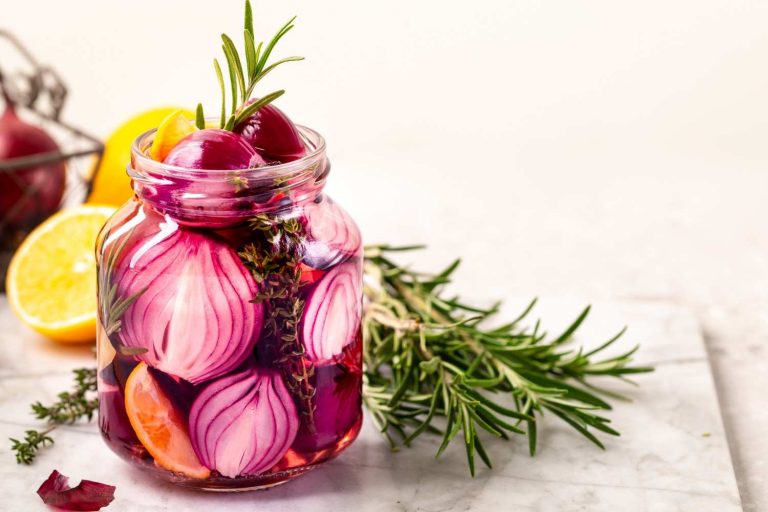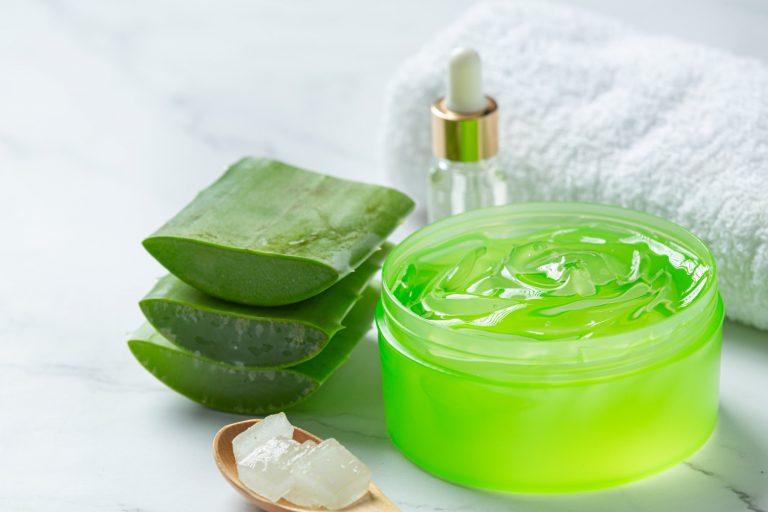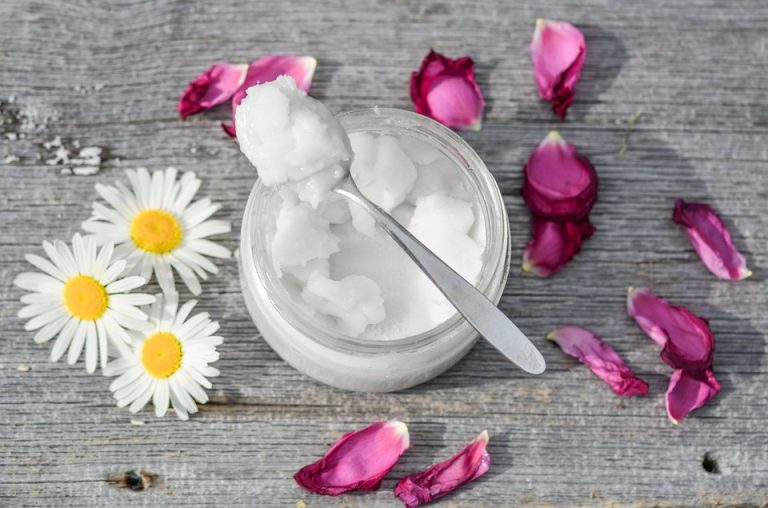

When I first began my journey into natural hair care, I stumbled upon a revelation that seemed almost too good to be true: lemon. With its bright, sunny hue and refreshing scent, lemon is often associated with summer drinks and desserts. However, I quickly learned that this vibrant fruit holds much more potential than just flavoring a glass of lemonade. As someone who has spent years researching natural health remedies, I’m excited to share how lemon can support hair growth for women, backed by scientific insights and personal experiences.
Contents
- The Science Behind Lemon and Hair Growth
- Practical Applications of Lemon for Hair Growth
- Real-Life Examples and Cultural Insights
- The Myth vs. Reality of Lemon for Hair Growth
- Common Mistakes When Using Lemon for Hair Growth
- The Broader Context of Hair Care
- FAQs About Lemon and Hair Growth
- Conclusion
- References
The Science Behind Lemon and Hair Growth
Lemon is rich in vitamin C, an essential nutrient that plays a significant role in collagen production. Collagen is crucial for maintaining hair structure and preventing hair breakage. Additionally, lemon contains antioxidants that can combat oxidative stress, a key factor in hair loss. A study published in the Journal of Cosmetic Dermatology found that vitamin C can stimulate hair growth and strengthen hair follicles.
The Role of Vitamin C
Vitamin C is more than just an immune booster; it’s vital for hair health. Collagen, the protein that forms the structure of your hair, relies on vitamin C for its synthesis. Without adequate vitamin C, hair can become weak, brittle, and prone to breakage. I recall a time when I neglected my vitamin intake, and my hair suffered—falling out more than usual and lacking vibrancy. Incorporating lemon into my diet made a noticeable difference.
Antioxidants and Hair Health
Lemon is also packed with antioxidants, which help neutralize free radicals in the body. Free radicals can lead to premature aging and hair loss, making antioxidants essential for maintaining healthy hair. According to a study from the National Institutes of Health, antioxidants can promote hair growth by reducing inflammation and oxidative stress.
Practical Applications of Lemon for Hair Growth
So how can you incorporate lemon into your hair care routine? Here are some effective methods:
1. Lemon Juice Rinse
How to do it: Mix the juice of one lemon with a cup of water. After shampooing, pour the mixture over your hair, massaging it into your scalp. Rinse with cool water after a few minutes.
Why it works: This rinse not only helps cleanse the scalp but also adds shine and promotes healthy hair growth. The acidity of lemon can help balance the scalp’s pH, which can be beneficial for those with oily hair.
Caveat: Overuse can lead to dryness, so limit this treatment to once a week.
2. Lemon and Coconut Oil Mask
Ingredients:
- 2 tablespoons of coconut oil
- 1 tablespoon of lemon juice
How to do it: Mix the ingredients and apply them to your scalp and hair. Leave it on for about 30 minutes before washing it out.
Why it works: Coconut oil is known for its nourishing properties, while lemon adds a boost of vitamins and antioxidants. This combination can help moisturize the hair while promoting growth.
Caveat: If you have a sensitive scalp, test a small area first to avoid irritation.
3. Lemon Essential Oil
Using lemon essential oil can also be an effective way to harness the benefits of lemon for hair growth.
How to do it: Add a few drops of lemon essential oil to your regular shampoo or conditioner. Alternatively, you can mix it with a carrier oil (like jojoba or almond oil) and massage it into your scalp.
Why it works: Essential oils are highly concentrated and can penetrate the scalp more effectively. They also deliver a pleasant scent and can uplift your mood.
Caveat: Essential oils should always be diluted before application.
Real-Life Examples and Cultural Insights
In many cultures, lemon has been used for centuries as a natural remedy for various ailments, including hair loss. In Ayurvedic practices, lemon is often recommended for its detoxifying properties, which can indirectly benefit hair health. I remember reading about women in India who would regularly apply lemon juice to their hair to enhance shine and growth.
Case Study: The Transformation of Sarah
Take Sarah, for instance. After struggling with thinning hair for years, she decided to incorporate lemon juice into her routine. Initially skeptical, she started with a simple lemon rinse once a week. Within a few months, her friends began to notice the difference. Sarah’s hair not only looked shinier but felt thicker too. She also added more vitamin C-rich foods to her diet, complementing her external treatments with internal nourishment.
The Myth vs. Reality of Lemon for Hair Growth
While the benefits of lemon for hair growth are compelling, it’s essential to address some myths that can cloud judgment.
Myth: Lemon Alone Can Cure Hair Loss
Reality: While lemon can support hair health, it’s not a miracle cure. Hair loss can result from various factors, including genetics, hormonal changes, and health conditions. Relying solely on lemon might lead to disappointment.
Myth: Lemon Can Lighten Hair Color
Reality: While lemon juice can lighten hair when exposed to sunlight, this effect is not uniform and can lead to unwanted results. If you’re looking for a natural lightening effect, consider using lemon cautiously.
Myth: All Women Should Use Lemon
Reality: Individual hair types vary widely. Some may find lemon beneficial, while others may experience dryness or irritation. It’s crucial to listen to your hair and scalp’s responses.
Common Mistakes When Using Lemon for Hair Growth
In my experience, many women make a few common mistakes when incorporating lemon into their hair care routines. Here are some pitfalls to avoid:
1. Overusing Lemon
Using lemon too frequently can strip your hair of its natural oils, leading to dryness and brittleness. Moderation is key.
2. Not Diluting Lemon Juice
Applying pure lemon juice directly to the scalp can cause irritation. Always dilute it with water or mix it with other ingredients.
3. Ignoring Hair Type
What works for one person may not work for another. Pay attention to your hair type and adjust your lemon treatments accordingly.
The Broader Context of Hair Care
In the grand scheme of hair care, lemon is just one piece of the puzzle. A balanced diet, proper hydration, and a good hair care routine are essential for optimal hair health. Incorporating lemon should complement these practices rather than replace them.
Nutritional Support for Hair Growth
In addition to lemon, consider including foods rich in omega-3 fatty acids, zinc, and biotin in your diet. Fish, nuts, seeds, and leafy greens can all contribute to healthier hair.
The Psychological Aspect
Hair loss can take a toll on self-esteem. In my own journey, I found that maintaining a positive mindset and practicing self-care were just as important as the treatments I used. Engaging in practices like meditation or yoga can reduce stress, which is often a significant factor in hair loss.
FAQs About Lemon and Hair Growth
1. Can lemon juice help with dandruff?
Yes, lemon juice has antimicrobial properties that can help reduce dandruff. However, ensure it’s diluted to avoid irritation.
2. How often should I use lemon for my hair?
A lemon rinse can be done once a week. For other treatments, like masks, once every two weeks is a good starting point.
3. Is it safe to use lemon on colored hair?
Lemon can sometimes lighten hair, so if you have color-treated hair, consult with a stylist before use.
4. Can I mix lemon with other oils?
Absolutely! Mixing lemon with carrier oils like coconut or jojoba can enhance its benefits for your hair.
5. What if I experience irritation after using lemon?
If irritation occurs, discontinue use immediately. Consider consulting a dermatologist for tailored advice.
Conclusion
The journey to healthier hair is often multifaceted, involving diet, lifestyle, and natural remedies like lemon. While it may not be a panacea for everyone, its potential benefits are worth exploring. As you consider integrating lemon into your routine, remember that individual responses will vary. Listening to your body and hair is essential.
As we continue to learn more about natural remedies, I encourage you to remain curious and experiment with what works best for you. The world of hair care is vast, and sometimes the simplest solutions can yield the most profound results.
Medical Disclaimer: This article is for educational purposes only and does not replace professional medical guidance. Always speak with a qualified healthcare provider before making changes to your health routine.
References
- Kwon, J. H., & Kim, J. H. (2020). The role of vitamin C in collagen synthesis and its effect on hair growth. Journal of Cosmetic Dermatology. Link
- Hwang, J. H., & Lee, S. J. (2018). Antioxidants and hair growth: A review of the literature. National Institutes of Health. Link
- Kwon, H. H., & Kim, S. K. (2019). The effectiveness of natural remedies for hair loss: A review. Cleveland Clinic Journal of Medicine. Link
Get Your FREE Natural Health Guide!
Subscribe now and receive our exclusive ebook packed with natural health tips, practical wellness advice, and easy lifestyle changes, delivered straight to your inbox.