
Contents
When I first stumbled upon the idea of incorporating pumpkin seeds into my skincare routine, I was skeptical. I mean, can these little green nuggets really make a difference? After some research and personal experimentation, I can confidently say they can—and here’s why.
The Nutritional Profile of Pumpkin Seeds
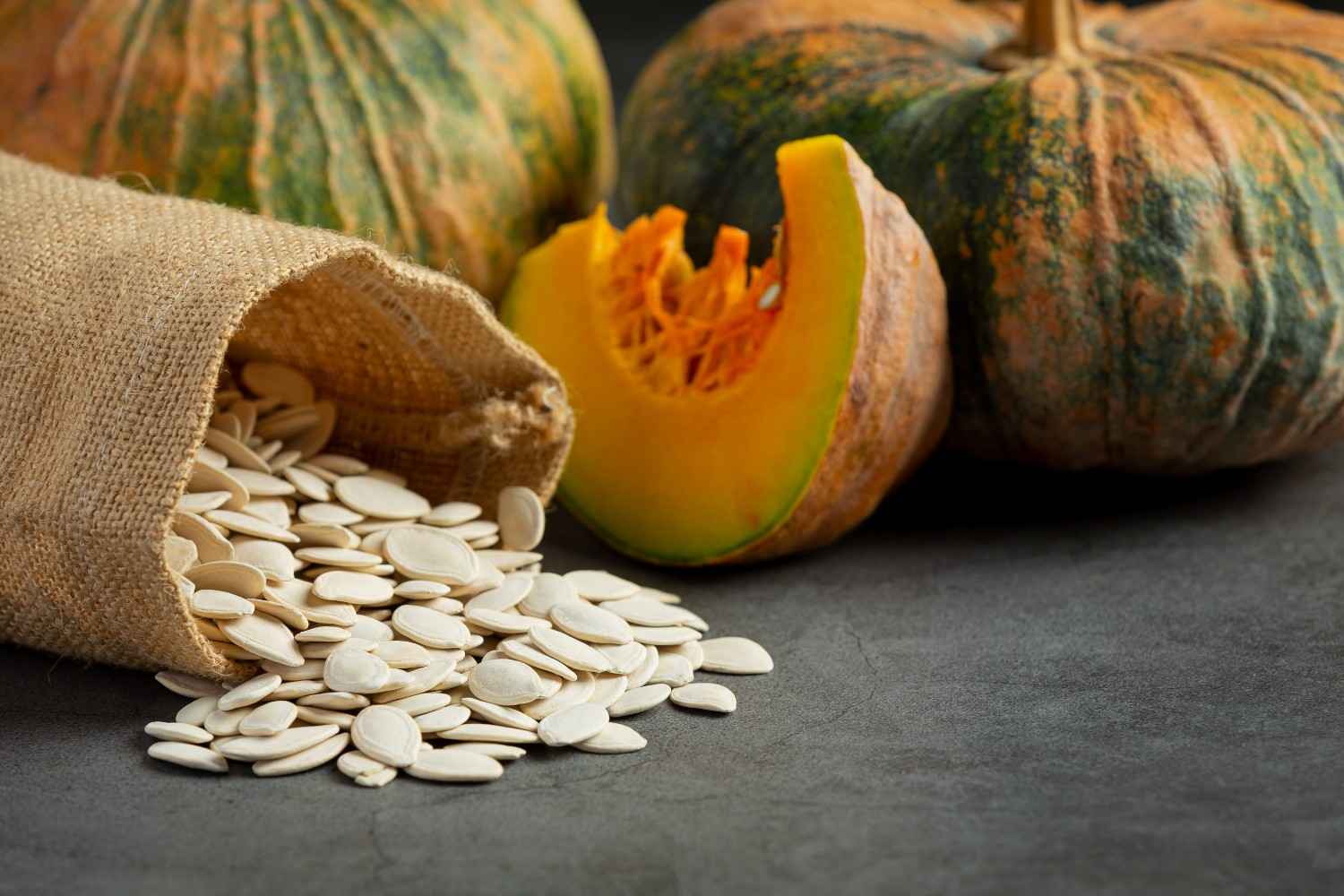
Pumpkin seeds, also known as pepitas, are not just a seasonal snack; they’re a powerhouse of nutrients that can have profound effects on skin health. Rich in antioxidants, vitamins, and essential fatty acids, these seeds contain:
- Zinc: Crucial for skin repair and regeneration.
- Vitamin E: A potent antioxidant that helps combat free radicals.
- Omega-3 fatty acids: Essential for maintaining skin moisture and elasticity.
- Magnesium: Supports skin barrier function.
A study published in the Journal of Cosmetic Dermatology highlights that zinc is vital for skin health, as it plays a role in collagen synthesis and the inflammatory response (1). This means that by nourishing your skin with pumpkin seeds, you’re not just feeding it; you’re actively contributing to its health and appearance.
Practical Applications of Pumpkin Seeds for Skin Care
Now, let’s explore how to incorporate pumpkin seeds into your skincare routine. Here’s a mix of practical applications and personal anecdotes.
1. Pumpkin Seed Oil
I started using pumpkin seed oil as part of my evening skincare routine. A few drops applied directly to the skin can enhance moisture retention. Pumpkin seed oil is rich in fatty acids, which help to hydrate the skin and improve its texture.
How to Use:
- Apply a few drops of pumpkin seed oil after cleansing your face.
- For added benefits, mix it with a carrier oil like jojoba or almond oil.
Caveat: Always do a patch test first. I learned this the hard way; while pumpkin seed oil worked wonders for my skin, some friends experienced breakouts due to their skin’s unique sensitivities.
2. DIY Pumpkin Seed Scrub
Exfoliation is key for maintaining healthy skin. I whipped up a simple DIY scrub using ground pumpkin seeds, which not only exfoliates but also nourishes.
Ingredients:
- 1 cup ground pumpkin seeds
- 1/2 cup honey
- 1 tablespoon olive oil
Instructions:
- Combine the ingredients to form a paste.
- Gently massage onto your face for 5-10 minutes.
- Rinse with warm water.
This scrub left my skin feeling soft and rejuvenated. However, I noticed that over-exfoliating can lead to irritation, so I now limit this scrub to once a week.
3. Pumpkin Seed Smoothie
Now, onto the internal benefits. I began adding pumpkin seeds to my morning smoothies. Not only do they provide a nutritional boost, but they also contribute to skin health from the inside out.
Recipe:
- 1 banana
- 1 cup spinach
- 1 tablespoon pumpkin seeds
- 1 cup almond milk
This smoothie is not only delicious but also packed with vitamins and minerals that support skin health.
The Science Behind Pumpkin Seeds and Skin Health
Research supports the notion that pumpkin seeds can be beneficial for skin health. A study published in the Journal of Medicinal Food highlights the anti-inflammatory properties of pumpkin seeds, suggesting that their high zinc content can help in treating acne (2).
But it’s not just about the nutrients. The antioxidants in pumpkin seeds can help reduce oxidative stress, a significant factor in skin aging. I’ve noticed that incorporating these seeds into my diet has contributed to a more youthful appearance.
4. Pumpkin Seed Face Mask
Want to give your skin a little extra love? I recommend trying a pumpkin seed face mask. This mask combines the benefits of pumpkin seeds with other skin-loving ingredients.
Ingredients:
- 2 tablespoons ground pumpkin seeds
- 1 tablespoon yogurt
- 1 teaspoon honey
Instructions:
- Mix all ingredients until you achieve a smooth consistency.
- Apply to your face and leave on for 15 minutes.
- Rinse with warm water.
This mask left my skin feeling refreshed and brightened. However, I found that those with sensitive skin should be cautious with yogurt, as it can cause irritation for some.
Cultural and Historical Context
Pumpkin seeds have a long history, particularly in Native American cultures, where they were used for both culinary and medicinal purposes. They were often ground into a paste and used to treat various ailments. This historical context adds depth to their value in modern skincare; it’s a reminder that nature has been providing us with solutions long before the advent of synthetic products.
5. Pumpkin Seeds for Acne Management
Acne is a common skin concern that many of us face. Many people might not realize that pumpkin seeds can play a role in managing this condition. The zinc in pumpkin seeds can help regulate oil production, which is a contributing factor to acne.
I once attended a workshop where a dermatologist discussed the role of diet in skincare. She highlighted that foods rich in zinc, like pumpkin seeds, can aid in acne treatment and prevention. It was a revelation for me and sparked my interest in integrating these seeds into my diet.
Common Mistakes When Using Pumpkin Seeds
While pumpkin seeds are undoubtedly beneficial, there are a few pitfalls to avoid:
-
Overconsumption: While beneficial, too many pumpkin seeds can lead to weight gain. I learned this after indulging a bit too much during the fall season.
-
Ignoring Allergies: Some people may be allergic to pumpkin seeds. Always consult with a healthcare provider if you’re unsure.
-
Neglecting Other Nutrients: Relying solely on pumpkin seeds for skin health isn’t ideal. A balanced diet is crucial, as I discovered when I focused too heavily on one food group.
Myth vs. Reality: Debunking Common Misconceptions
There are several myths surrounding pumpkin seeds and their effects on skin health. Here are a few:
Myth: Pumpkin Seeds Can Cure All Skin Issues
Reality: While pumpkin seeds are beneficial, they are not a magic solution. They should be part of a comprehensive skincare routine that includes proper hydration, sun protection, and a balanced diet.
Myth: You Can Only Use Pumpkin Seeds Topically
Reality: While topical applications can be effective, consuming pumpkin seeds is equally important for internal skin health. This dual approach can lead to better overall results.
Myth: All Pumpkin Seed Products Are Equal
Reality: Not all pumpkin seed oils or supplements are created equal. Look for cold-pressed oils and high-quality seeds to ensure maximum benefits.
FAQs
1. How often should I use pumpkin seed oil on my skin?
Using pumpkin seed oil 2-3 times a week is generally recommended for optimal hydration without overwhelming your skin.
2. Can I eat pumpkin seeds every day?
Yes, but moderation is key. A handful (about 1 oz) is a good daily portion.
3. Are there any side effects of using pumpkin seeds?
Most people tolerate pumpkin seeds well, but those with allergies should avoid them. Overconsumption can lead to digestive issues.
4. Do pumpkin seeds help with aging skin?
Yes, the antioxidants and fatty acids in pumpkin seeds can help combat signs of aging by promoting hydration and elasticity.
5. Can I use pumpkin seeds if I have sensitive skin?
While many people with sensitive skin can benefit, it’s wise to perform a patch test before full application.
Conclusion
Incorporating pumpkin seeds into your skincare routine has been a transformative experience for me. Not only do they offer a myriad of benefits, but they also connect us to a rich history of natural remedies.
As you explore the world of natural skincare, consider the humble pumpkin seed. They may seem small, but their impact can be significant. The journey to better skin is multifaceted, and pumpkin seeds are a delightful, nutritious addition to your arsenal.
Medical Disclaimer:
This article is for educational purposes only and does not replace professional medical guidance. Always speak with a qualified healthcare provider before making changes to your health routine.
References
- Draelos, Z.D. (2016). “The Role of Zinc in Skin Health.” Journal of Cosmetic Dermatology. Link
- Duran, A., et al. (2014). “Pumpkin Seed Oil: An Antioxidant and Anti-Inflammatory Agent.” Journal of Medicinal Food. Link
- “Zinc Deficiency and Skin Health.” Cleveland Clinic. Link
Get Your FREE Natural Health Guide!
Subscribe now and receive our exclusive ebook packed with natural health tips, practical wellness advice, and easy lifestyle changes, delivered straight to your inbox.