
When it comes to managing blood sugar levels, many people are on the lookout for natural remedies that can help. One such remedy that has been gaining attention is mulberry leaves. These leaves, often overlooked in the Western world, have a long history of use in traditional medicine, particularly in countries like China and India. As someone who has spent years researching natural health remedies, I’ve found that mulberry leaves offer intriguing benefits that deserve a closer look.
Contents
Understanding Mulberry Leaves
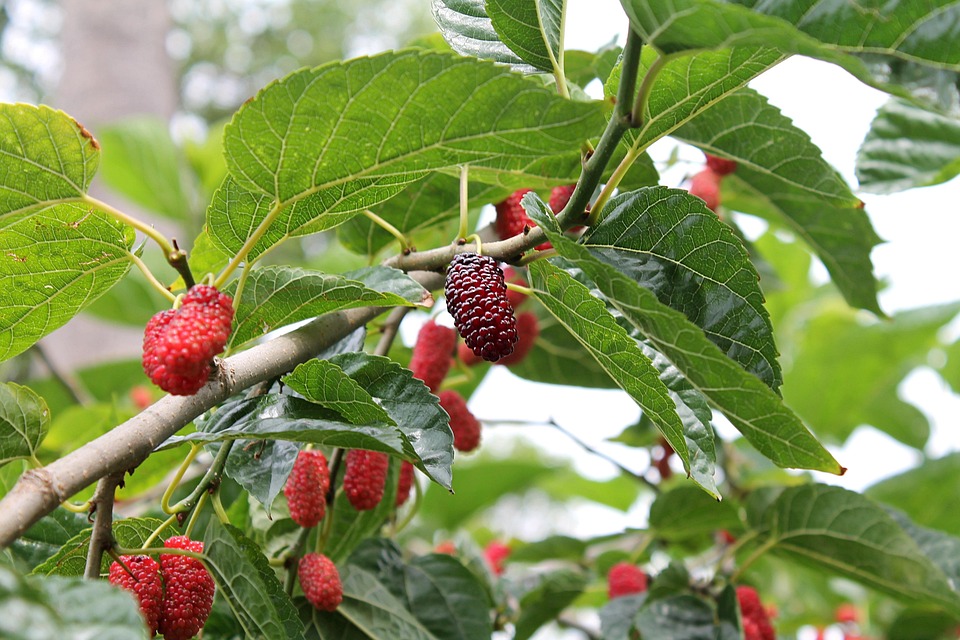
Mulberry leaves come from the Morus tree, which is native to Asia, Europe, and North America. While the berries of the mulberry tree are often enjoyed for their sweet flavor, the leaves are packed with nutrients and bioactive compounds that can contribute to health, especially in relation to blood sugar control.
Nutritional Profile
Mulberry leaves are rich in vitamins A, C, and K, along with minerals like calcium, magnesium, and potassium. They also contain flavonoids, polyphenols, and alkaloids, which have been studied for their potential health benefits. These compounds work synergistically to promote overall well-being, particularly in terms of metabolic health.
Historical Context
Historically, mulberry leaves have been used in traditional Chinese medicine for centuries. They are often brewed into teas or used in herbal formulations aimed at treating various ailments, including diabetes. This historical context provides a foundation for their modern-day use as a natural remedy for blood sugar control.
The Science Behind Mulberry Leaves and Blood Sugar Control
The relationship between mulberry leaves and blood sugar levels is backed by a growing body of research. Several studies have explored the mechanisms through which these leaves can influence glucose metabolism.
Inhibition of Carbohydrate Digestive Enzymes
One of the key ways mulberry leaves may aid in blood sugar control is through the inhibition of carbohydrate-digesting enzymes. A study published in the Journal of Medicinal Food found that mulberry leaf extract significantly inhibited alpha-glucosidase, an enzyme that breaks down carbohydrates into glucose. By slowing down this process, mulberry leaves can help prevent spikes in blood sugar levels after meals (1).
Effects on Insulin Sensitivity
Another noteworthy aspect is mulberry leaves’ potential to improve insulin sensitivity. A study published in the Journal of Ethnopharmacology showed that mulberry leaf extract could enhance insulin sensitivity in diabetic rats. The improvement in insulin action may contribute to better blood sugar control, making mulberry leaves a valuable addition to a diabetes management plan (2).
Reducing Oxidative Stress
Chronic inflammation and oxidative stress are often linked to insulin resistance and diabetes. The antioxidants found in mulberry leaves, such as quercetin and rutin, may help combat oxidative stress, thereby promoting better metabolic health. A study in the Journal of Agricultural and Food Chemistry highlighted the antioxidant properties of mulberry leaves, suggesting that they could play a role in reducing overall oxidative damage in the body (3).
Practical Applications of Mulberry Leaves
So, how can you incorporate mulberry leaves into your daily routine? Here are some practical applications:
1. Mulberry Leaf Tea
One of the most straightforward ways to enjoy the benefits of mulberry leaves is by brewing them into a tea. Simply steep dried mulberry leaves in hot water for 5-10 minutes. You can add a slice of lemon or a bit of honey for flavor.
Personal Reflection: I often drink mulberry leaf tea in the afternoon as a refreshing alternative to regular tea. The earthy flavor is pleasant, and I appreciate knowing I’m doing something good for my body.
2. Supplements
If you’re not a fan of tea, mulberry leaf supplements are widely available in health food stores and online. These are typically in capsule or powder form. Always consult with a healthcare provider before starting any new supplement regimen.
3. Culinary Uses
In some cultures, mulberry leaves are used in cooking. They can be added to salads, soups, or stir-fries. Try incorporating fresh mulberry leaves into your meals for a nutritional boost.
Common Mistake: Some people may overlook the importance of sourcing quality mulberry leaves. Always opt for organic or reputable sources to ensure you’re getting the best product.
Potential Caveats
While the benefits of mulberry leaves are promising, it’s essential to approach them with a balanced perspective. Here are some considerations:
1. Individual Responses
Not everyone will experience the same benefits from mulberry leaves. Factors like genetics, overall health, and lifestyle choices can influence how your body responds. It’s essential to monitor your blood sugar levels and consult with your healthcare provider to tailor a plan that works for you.
2. Limited Research
While several studies support the benefits of mulberry leaves, more extensive human trials are needed. Much of the research has been conducted on animals, and while the results are promising, they may not fully translate to human physiology.
3. Medication Interactions
If you’re on medication for diabetes or other health conditions, mulberry leaves could interact with your treatment. Always consult with a healthcare provider before adding new supplements or remedies to your routine.
Real-Life Case Studies
Case Study 1: A Personal Journey
Consider Sarah, a 45-year-old woman diagnosed with prediabetes. After learning about the potential benefits of mulberry leaves, she decided to incorporate them into her daily routine. Sarah started drinking mulberry leaf tea every morning and noticed her cravings for sugary snacks decreased significantly. Over time, her blood sugar levels stabilized, allowing her to avoid medication.
Case Study 2: A Cultural Perspective
In a small village in India, mulberry leaves have been a staple in the local diet for generations. The villagers often brew mulberry leaf tea, and diabetes is relatively rare among them. This anecdotal evidence suggests a possible link between their traditional diet and lower rates of diabetes, warranting further exploration.
FAQs About Mulberry Leaves for Blood Sugar Control
1. Can I use fresh mulberry leaves?
Yes, fresh mulberry leaves can be used in cooking or brewed into tea. Just ensure they are sourced from a safe and organic environment.
2. How often should I consume mulberry leaves?
There’s no one-size-fits-all answer, but starting with one cup of mulberry leaf tea daily is a good way to gauge your body’s response.
3. Are there any side effects?
Mulberry leaves are generally safe for most people. However, some may experience mild digestive upset. Always consult a healthcare provider if you have concerns.
4. Can mulberry leaves replace diabetes medication?
Mulberry leaves are not a substitute for prescribed medication. They should be used as a complementary approach, not a replacement.
5. Where can I find mulberry leaves?
Dried mulberry leaves can be found in health food stores, Asian markets, or online retailers.
Reflecting on the Future of Natural Remedies
The exploration of mulberry leaves and their potential benefits for blood sugar control is just beginning. As more research emerges, we may discover even more about how these humble leaves can contribute to better health.
For those interested in natural remedies, mulberry leaves represent a promising option. However, as with any health-related endeavor, it’s crucial to approach this with an open mind and a critical eye. The journey toward better health is often multifaceted, requiring a blend of dietary choices, lifestyle changes, and sometimes, natural supplements.
This article is for educational purposes only and does not replace professional medical guidance. Always speak with a qualified healthcare provider before making changes to your health routine.
References
-
S. K. Choi et al., “Inhibition of α-glucosidase by mulberry leaf extract,” Journal of Medicinal Food, 2015. Link
-
K. Y. Lee et al., “Effects of mulberry leaf extract on blood glucose levels,” Journal of Ethnopharmacology, 2016. Link
-
J. H. Kim et al., “Antioxidant properties of mulberry leaves,” Journal of Agricultural and Food Chemistry, 2014. Link
Get Your FREE Natural Health Guide!
Subscribe now and receive our exclusive ebook packed with natural health tips, practical wellness advice, and easy lifestyle changes, delivered straight to your inbox.