Navigating Natural Supplements for Daily Wellness
Maintaining a well-supported immune system is a cornerstone of overall vitality. Many individuals seek natural supplements to complement their dietary and lifestyle choices. Understanding the options available can help people make informed decisions about their personal wellness journey.
This guide delves into several natural supplements that are often explored for their contributions to general health. We’ll examine their historical context, the general roles they play in the body, and how they may fit into a broader strategy for maintaining a sense of well-being. This information is educational and not a substitute for medical advice.
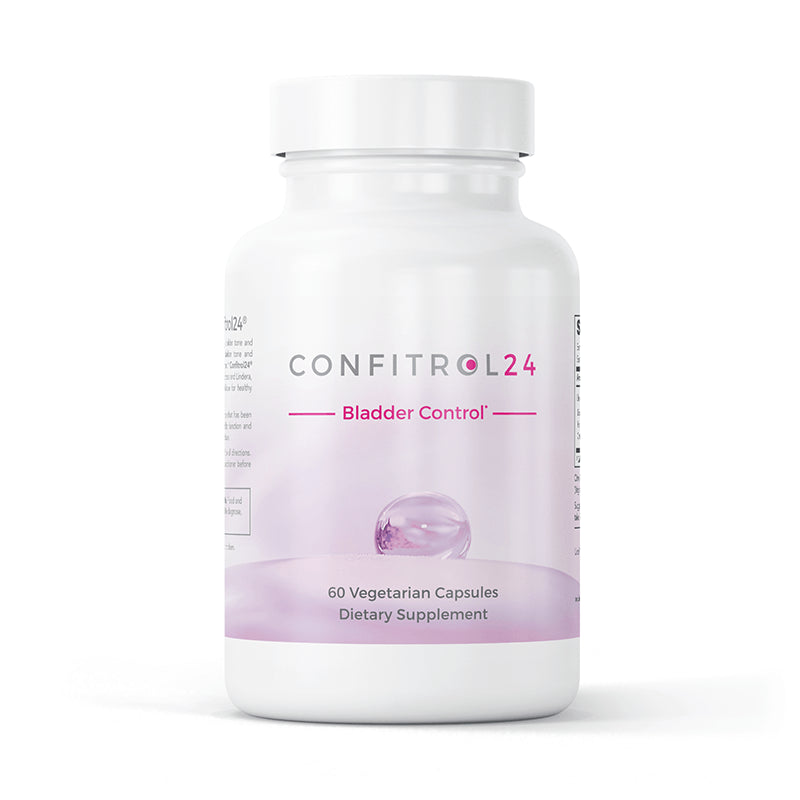
Confitrol24™ Feminine Urinary Support
- Formulated with Urox® to support natural pelvic floor muscle tone
- Designed to assist with daily feminine urinary control and comfort
- Manufactured in a cGMP-compliant, FDA-registered facility
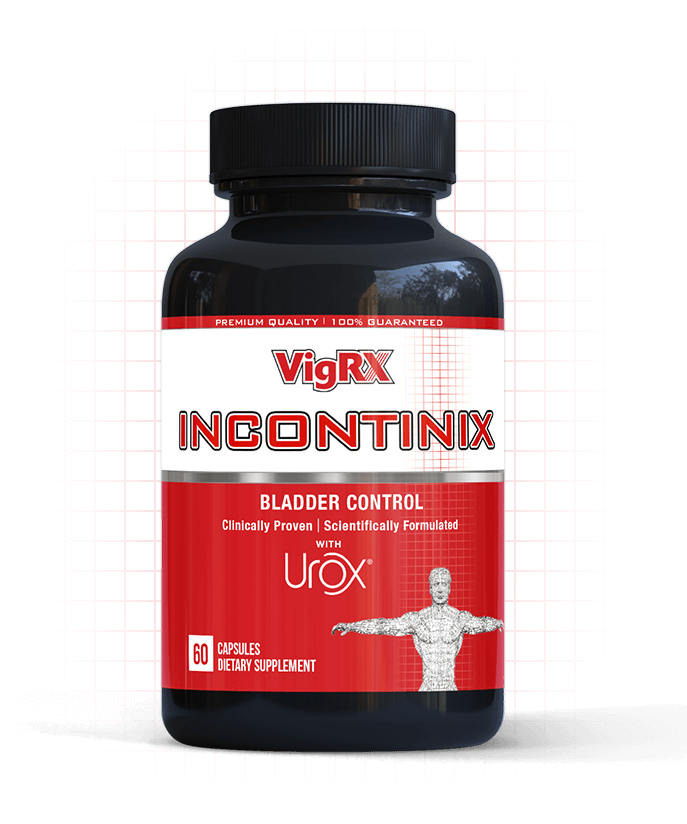
VigRX® Incontinix Male Bladder Control
- Formulated specifically to support male urinary health and baseline control
- Clinically researched ingredients for daily maintenance and comfort
- Manufactured in a cGMP-compliant, FDA-registered facility
People with underlying conditions often work with a qualified healthcare professional for personalized guidance regarding natural supplements. The insights provided here are for general informational purposes.
Vitamin C
Vitamin C, also known as ascorbic acid, is an essential nutrient that the human body cannot produce on its own. It has a long history of recognition for its importance, particularly in preventing conditions associated with its deficiency. Citrus fruits, berries, and leafy greens are rich natural sources.
This vital compound plays a significant role in various bodily functions. It acts as an antioxidant, helping to manage cellular oxidative stress that can naturally occur from daily activities. Many people also associate adequate Vitamin C intake with maintaining healthy skin and connective tissues.
Its presence is crucial for supporting overall physiological processes. People often consider Vitamin C as a key component in a comprehensive approach to wellness, particularly during seasonal changes or times of increased demand on the body. It’s a foundational nutrient for general health.
- Active Compound: Ascorbic Acid
- General Use: Supports cellular processes; contributes to antioxidant defense.
- Mode of Action (Reframed): Assists in managing oxidative balance within cells, which is a fundamental aspect of cellular health.
Incorporating Vitamin C
Many individuals find it beneficial to ensure consistent intake of Vitamin C through a varied diet or supplemental forms.
Vitamin D
Often called the “sunshine vitamin,” Vitamin D is unique because the body can synthesize it when skin is exposed to sunlight. However, geographical location, season, and lifestyle can limit this natural production, making supplementation a common consideration. Its importance in skeletal health is well-documented.
Beyond its known role in bone health, Vitamin D is widely discussed for its broader contributions to overall physiological function. It supports various systemic processes that are integral to maintaining a healthy internal environment. Many people consult their healthcare providers to monitor their Vitamin D levels.
Ensuring adequate Vitamin D status is a widespread wellness practice. It is viewed as a supportive nutrient for the body’s complex systems, playing a part in general well-being rather than targeting specific conditions. Many forms are available to assist with daily intake.
- Active Compound: Cholecalciferol (D3) and Ergocalciferol (D2)
- General Use: Contributes to general physiological function; supports skeletal health.
- Mode of Action (Reframed): Interacts with numerous cellular pathways throughout the body, assisting in maintaining systemic equilibrium.
Daily Vitamin D Intake
People often consider regular Vitamin D supplementation, especially when sun exposure is limited.
Zinc
Zinc is an essential trace mineral involved in a multitude of enzymatic reactions throughout the body. Its discovery and understanding have progressed significantly, establishing it as a fundamental nutrient for life. It is naturally present in foods like red meat, poultry, beans, and nuts.
This mineral is crucial for cell division and growth, making it foundational for the development and repair of tissues. Its involvement in various metabolic processes means it touches many aspects of health. Many people recognize zinc’s importance for maintaining robust bodily functions.
Maintaining optimal zinc levels is a common focus for individuals pursuing general health. It’s considered a supportive element for the body’s natural processes, helping to sustain a healthy baseline. Its wide-ranging influence makes it a popular choice among natural supplements.
- Active Compound: Elemental Zinc (often as zinc gluconate, picolinate, or citrate)
- General Use: Supports numerous enzymatic functions; vital for cell division.
- Mode of Action (Reframed): Acts as a cofactor for hundreds of enzymes, facilitating crucial biochemical reactions essential for cellular operation.
Considering Zinc Supplements
Many people look to include zinc-rich foods in their diet or consider a quality supplement to ensure adequate intake.
Elderberry
Elderberry, derived from the *Sambucus nigra* plant, has a rich history of traditional use, particularly in folk practices across Europe and North America. Its dark purple berries and flowers have been utilized for centuries in syrups, teas, and tinctures, often during times of seasonal shifts.
The berries contain compounds such as anthocyanins, which are potent plant pigments. These compounds are extensively studied for their contribution to the plant’s overall beneficial properties. People often value elderberry for its role in maintaining general wellness during the colder months.
Many individuals integrate elderberry into their wellness routines as a general tonic. It is not intended to treat specific conditions but rather to offer supportive care for the body’s adaptive mechanisms. Its widespread use reflects a long-standing appreciation for its natural attributes.
- Active Compound: Anthocyanins, Flavonoids
- General Use: Supports general well-being, especially during seasonal changes.
- Mode of Action (Reframed): Provides plant-derived compounds that are thought to contribute to the body’s natural physiological processes.
Exploring Elderberry Forms
Elderberry is available in various forms, including syrups, capsules, and gummies, offering flexibility for daily integration.
Echinacea
Echinacea, a genus of flowering plants native to North America, holds a prominent place in traditional herbal practices, especially among Native American cultures. These plants, particularly *Echinacea purpurea*, have been valued for centuries for their perceived health-supporting qualities.
Modern investigations have focused on several constituents within Echinacea, including alkylamides, caffeic acid derivatives, and polysaccharides. These compounds are believed to contribute to the plant’s widely discussed properties. Many individuals explore Echinacea for short-term support.
Its popularity often peaks during times when people are focused on maintaining a robust sense of wellness. Echinacea is generally considered a supportive herb, not a cure, intended to complement the body’s natural capacity for self-regulation. People often reach for it when they desire additional natural support.
- Active Compound: Alkylamides, Caffeic Acid Derivatives, Polysaccharides
- General Use: Offers supportive care for general well-being, often for short durations.
- Mode of Action (Reframed): Contains plant compounds that are often discussed in relation to general physiological support.
Using Echinacea Extracts
Echinacea is commonly found in teas, tinctures, and capsule forms. Some people explore its use during specific periods of heightened wellness focus.
Probiotics
Probiotics are live microorganisms, typically bacteria, that are often referred to as “beneficial” or “friendly” bacteria. These microbes are naturally present in the human gut and in certain fermented foods like yogurt, kefir, and sauerkraut. The concept of gut health and its connection to overall well-being has gained widespread attention.
The digestive system houses a vast and diverse community of microorganisms known as the gut microbiota. Maintaining a balanced gut environment is considered by many to be fundamental to general health. Probiotic supplements aim to introduce specific strains of these beneficial microbes into the digestive tract.
Different probiotic strains are recognized for distinct attributes. For instance, species like *Lactobacillus* and *Bifidobacterium* are among the most common. People often incorporate probiotics into their daily routine to support digestive comfort and foster a sense of internal balance.
- Active Compounds: Various live bacterial strains (e.g., *Lactobacillus acidophilus*, *Bifidobacterium lactis*)
- General Use: Supports digestive balance; contributes to a healthy gut environment.
- Mode of Action (Reframed): Introduces beneficial microorganisms to the digestive system, which are thought to assist in maintaining microbial diversity and gut function.
Selecting Probiotic Strains
When considering probiotics, people often explore specific strains or multi-strain formulas that align with their wellness goals.
Medicinal Mushrooms
Medicinal mushrooms have been revered for centuries in traditional healing systems, particularly in Asian cultures. Species like Reishi, Turkey Tail, Chaga, and Lion’s Mane are prominent examples. These fungi are not culinary ingredients in the usual sense but are prized for their unique compounds.
Many of these mushrooms contain complex carbohydrates called beta-glucans, triterpenes, and other bioactive compounds. These constituents are often discussed for their general influence on systemic balance. People often seek out medicinal mushrooms for their supportive properties.
The historical application of these fungi suggests a long-standing appreciation for their ability to contribute to vitality. They are generally considered adaptogens, meaning they are thought to help the body adapt to various stressors and maintain equilibrium. Their integration into modern wellness practices is growing.
- Active Compound: Beta-glucans, Triterpenes, Polysaccharides
- General Use: Supports overall vitality; contributes to systemic balance.
- Mode of Action (Reframed): Provides unique plant compounds that are often explored for their supportive influence on the body’s adaptive mechanisms.
Integrating Mushroom Extracts
Medicinal mushrooms are often available as powdered extracts, capsules, or in liquid forms, making them easy to add to daily routines.
Quercetin
Quercetin is a naturally occurring flavonoid found in various fruits, vegetables, and grains. Onions, apples, berries, and green tea are particularly rich sources. As a plant pigment, it plays a role in the color of many foods and has been a subject of interest in nutritional science.
This flavonoid is recognized for its antioxidant properties. It helps to neutralize free radicals, thereby contributing to the body’s natural defense against oxidative stress. Many people consider quercetin as a valuable dietary component for maintaining cellular health.
Its widespread presence in a healthy diet underscores its potential contributions to overall well-being. Individuals often explore quercetin supplements as a way to augment their intake beyond what they get from food, especially when focusing on antioxidant support. Research from the National Institutes of Health highlights its various physiological considerations.
- Active Compound: Quercetin (a flavonoid)
- General Use: Contributes to antioxidant defense; supports cellular health.
- Mode of Action (Reframed): Functions as a plant-derived antioxidant, assisting in the management of oxidative stress at the cellular level.
Considering Quercetin Intake
People often incorporate quercetin-rich foods into their diet or explore high-quality supplements for additional support.
Comparing Key Natural Supplements for Wellness
Many natural supplements contribute to a sense of overall well-being through different pathways. Understanding their primary areas of discussion can help guide personal choices.
| Supplement | Primary Discussion Area | Key Compounds/Forms |
|---|---|---|
| Vitamin C | Cellular processes, Antioxidant defense | Ascorbic Acid |
| Vitamin D | General physiological function, Skeletal health | Cholecalciferol (D3) |
| Zinc | Enzymatic reactions, Tissue development | Elemental Zinc |
| Elderberry | Seasonal wellness, General vitality | Anthocyanins, Flavonoids |
| Echinacea | Short-term wellness support | Alkylamides, Polysaccharides |
| Probiotics | Digestive balance, Gut environment | Lactobacillus, Bifidobacterium |
| Medicinal Mushrooms | Systemic balance, Adaptive support | Beta-glucans, Triterpenes |
| Quercetin | Antioxidant defense, Cellular protection | Flavonoid |
Frequently Asked Questions About Natural Wellness Support
Can natural supplements replace a healthy diet and lifestyle?
Natural supplements are intended to complement, not replace, a balanced diet and healthy lifestyle choices. A nutrient-rich diet, regular physical activity, adequate sleep, and stress management are foundational to overall well-being. Supplements can provide additional support when dietary intake might be insufficient or during periods of increased demand.
How do I choose the right natural supplements for my needs?
Selecting natural supplements often involves personal research and sometimes consultation with a qualified healthcare professional. Consider your dietary habits, lifestyle, and any specific wellness goals you have. Focusing on foundational nutrients like vitamins and minerals, and then exploring targeted botanicals, can be a sensible approach. People with underlying conditions often work with a qualified healthcare professional for personalized guidance.
Are there specific forms of supplements that are better absorbed?
The absorption and bioavailability of supplements can vary depending on the compound and its specific form. For example, some nutrients might be better absorbed in liposomal or chelated forms. Fat-soluble vitamins, like Vitamin D, often benefit from being taken with a meal containing some fat. Always review product labels for details regarding optimal consumption.
Is it safe to combine multiple natural supplements?
Many people combine natural supplements as part of their daily routine. However, it’s always prudent to be aware of potential interactions. It is generally advisable to discuss your supplement regimen with a qualified healthcare professional, especially if you have existing health conditions or are taking other medications. This information is educational and not a substitute for medical advice.
The Bottom Line
Exploring natural supplements can be a valuable part of a proactive approach to maintaining overall health and vitality. These compounds and botanicals offer various ways to support the body’s natural processes, from cellular function to digestive balance. The emphasis remains on quality ingredients, thoughtful integration, and understanding the general role each plays in well-being.
Consider evaluating your current diet and lifestyle to identify areas where these natural options might offer meaningful support for your wellness journey.
Get Your FREE Natural Health Guide!
Subscribe now and receive our exclusive ebook packed with natural health tips, practical wellness advice, and easy lifestyle changes, delivered straight to your inbox.