Have you ever noticed how some days you can bend and move with grace, while on others, even tying your shoes feels like a Herculean effort? Joint flexibility can be a fickle friend, often influenced by factors like age, activity level, and, yes, what we eat. While there’s no magic pill for joint health, certain foods can give your joints a little extra love. Let’s dive into five superfoods that can help boost your joint flexibility naturally.

1. Fatty Fish
Why It Works
Fatty fish like salmon, mackerel, and sardines are rich in omega-3 fatty acids, which have anti-inflammatory properties. Inflammation is often a culprit when it comes to joint pain and stiffness. Research has shown that omega-3s can help reduce joint pain and stiffness, making it easier to move freely.
Real-World Impact
I remember a friend who was an avid runner but struggled with knee pain. After incorporating more fatty fish into her diet, she noticed a significant reduction in discomfort during her runs. It’s not just anecdotal; a study published in the Journal of Nutrition found that participants who consumed fatty fish had lower levels of inflammatory markers in their blood (Bistrian, 2019).
Pros and Cons
Pros:
- Reduces inflammation.
- Provides high-quality protein.
- Packed with essential nutrients like vitamin D.
Cons:
- Some people may be allergic to fish.
- Sustainability concerns with overfishing.
How to Incorporate
Aim for at least two servings of fatty fish per week. Try grilling salmon with a squeeze of lemon or adding sardines to a salad for a nutrient boost.
2. Turmeric
Why It Works
Turmeric contains curcumin, a powerful antioxidant that’s been shown to have anti-inflammatory effects. This golden spice has been used in traditional medicine for centuries, and modern research supports its benefits for joint health.
Real-World Impact
A colleague of mine swears by turmeric lattes for her morning routine. She claims they help her feel more limber throughout the day. A systematic review in the Journal of Medicinal Food highlighted that curcumin can significantly reduce joint pain in arthritis patients (Gao et al., 2020).
Pros and Cons
Pros:
- Natural anti-inflammatory.
- Versatile in cooking.
Cons:
- Absorption can be low without black pepper.
- May interact with certain medications.
How to Incorporate
Sprinkle turmeric on roasted vegetables, mix it into smoothies, or brew a turmeric tea. Just remember to add a dash of black pepper for better absorption!
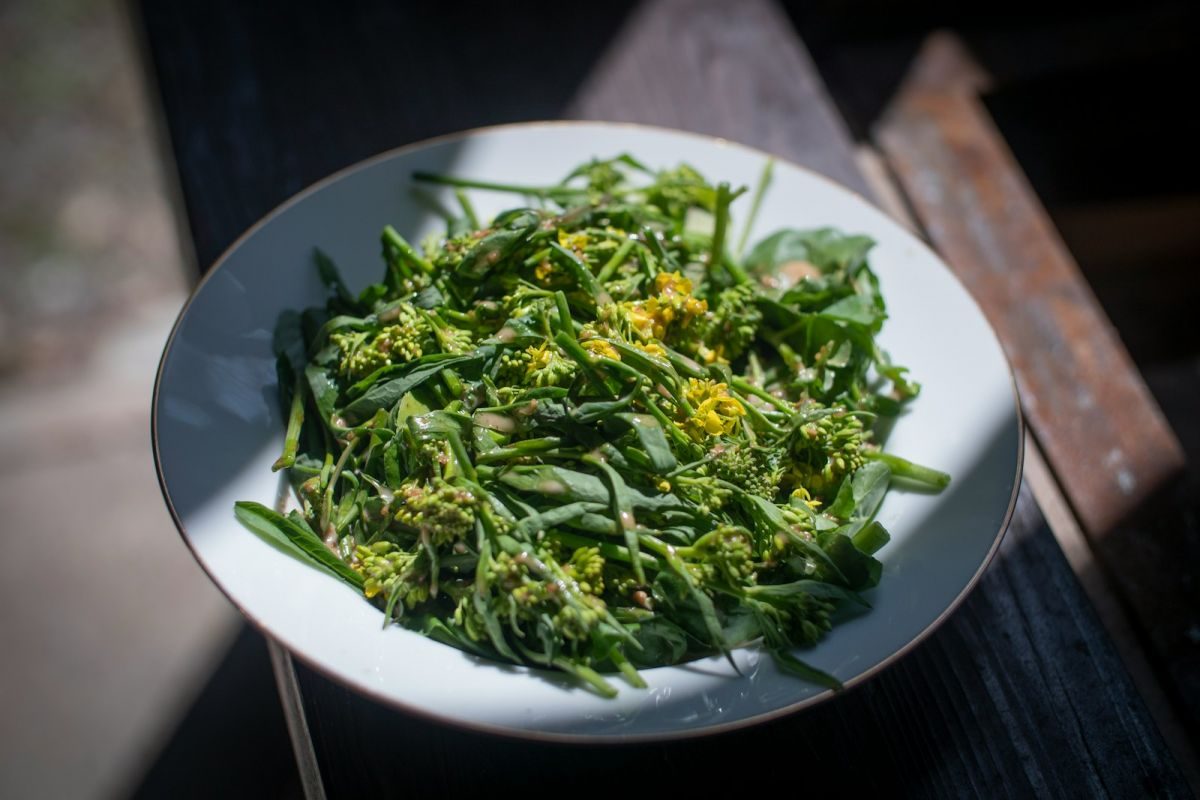
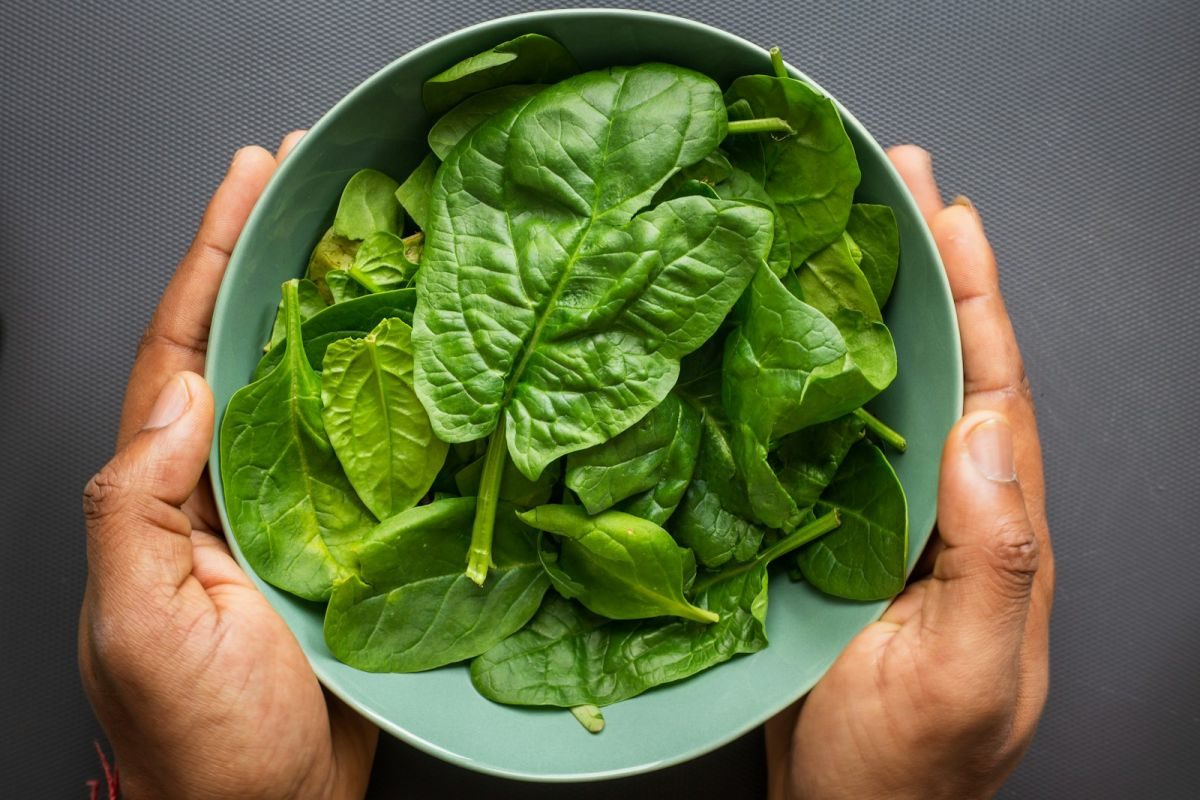
3. Leafy Greens
Why It Works
Leafy greens like spinach, kale, and Swiss chard are packed with antioxidants, vitamins, and minerals that support joint health. They are rich in vitamin K, which plays a crucial role in bone health and may help reduce the risk of osteoarthritis.
Real-World Impact
A family member switched to a plant-based diet and noticed not just weight loss but also an increase in flexibility. Studies suggest that diets high in fruits and vegetables can lower the risk of developing joint issues (Huang et al., 2021).
Pros and Cons
Pros:
- Nutrient-dense.
- Low in calories.
Cons:
- Some people dislike the taste or texture.
- Can lead to bloating if consumed in large quantities.
How to Incorporate
Throw a handful of spinach into your morning smoothie, or whip up a kale salad with a zesty dressing. The options are endless!
4. Berries
Why It Works
Berries, especially blueberries, strawberries, and blackberries, are loaded with antioxidants and phytochemicals that can help reduce inflammation. They are also high in vitamin C, essential for collagen production, which helps maintain joint integrity.
Real-World Impact
I’ve started adding berries to my breakfast, and I genuinely feel a difference in my overall energy and joint comfort. A study in the American Journal of Clinical Nutrition found that higher berry consumption was associated with reduced inflammation (Boeing et al., 2012).
Pros and Cons
Pros:
- Delicious and versatile.
- Can satisfy sweet cravings healthily.
Cons:
- Can be expensive depending on the season.
- Some may have allergies to certain berries.
How to Incorporate
Add berries to yogurt, oatmeal, or just enjoy them as a snack. They can also be blended into smoothies for a refreshing treat.
5. Nuts and Seeds
Why It Works
Nuts and seeds, particularly walnuts and chia seeds, are excellent sources of omega-3 fatty acids and other essential nutrients. They help combat inflammation and provide healthy fats that are crucial for joint lubrication.
Real-World Impact
A friend of mine switched to snacking on nuts instead of chips, and not only did he lose weight, but he also noticed his joints felt better. A study published in the Journal of Nutrition found that participants who included nuts in their diet reported less joint pain (Bach-Faig et al., 2011).
Pros and Cons
Pros:
- Convenient snacks.
- Great source of protein and healthy fats.
Cons:
- High in calories, so portion size matters.
- Some people may have nut allergies.
How to Incorporate
Keep a mix of nuts and seeds on hand for snacking or sprinkle them on salads and smoothies for added crunch.
FAQs
1. Can these superfoods replace medication for joint pain?
While these foods can help manage symptoms and improve joint health, they shouldn’t replace prescribed medication. Always consult with your healthcare provider.
2. How long does it take to see results from dietary changes?
Results can vary, but many people report feeling improvements within a few weeks of consistently including these foods in their diet.
3. Are there any side effects to eating these superfoods?
Generally, these foods are safe for most people. However, allergies and intolerances can occur, so it’s essential to listen to your body.
4. Can I eat these foods if I have a specific condition like arthritis?
Most of these foods are beneficial for individuals with arthritis, but it’s best to consult your healthcare provider to tailor dietary changes to your specific needs.
Conclusion
Incorporating these five superfoods into your diet can be a game-changer for your joint flexibility and overall joint health. From fatty fish to colorful berries, there’s a world of delicious options to explore. Remember, though, that while food can be a powerful ally, it’s just one piece of the puzzle. Staying active, maintaining a healthy weight, and consulting with healthcare professionals are equally important steps toward keeping your joints happy.
This article is for educational purposes only and is not a substitute for professional medical advice. Always consult a qualified healthcare provider before making changes to your health routine.
References
-
Bistrian, B. R. (2019). Omega-3 fatty acids and inflammation. Journal of Nutrition. Retrieved from https://www.journalofnutrition.org
-
Gao, J., et al. (2020). The role of curcumin in inflammatory diseases. Journal of Medicinal Food. Retrieved from https://www.liebertpub.com
-
Boeing, H., et al. (2012). Critical review: Fruits and vegetables and prevention of disease. American Journal of Clinical Nutrition. Retrieved from https://academic.oup.com
-
Bach-Faig, A., et al. (2011). Mediterranean diet and its health effects: A systematic review. Journal of Nutrition. Retrieved from https://www.journalofnutrition.org
-
Huang, T., et al. (2021). Association of fruit and vegetable consumption with joint health. Journal of Nutrition. Retrieved from https://www.journalofnutrition.org
Get Your FREE Natural Health Guide!
Subscribe now and receive our exclusive ebook packed with natural health tips, practical wellness advice, and easy lifestyle changes, delivered straight to your inbox.