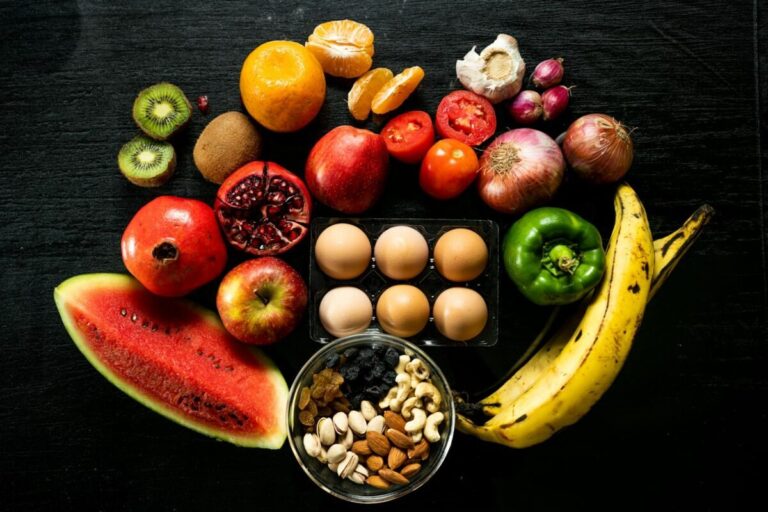

Nourishing Your Eyes Naturally with Vision-Boosting Fruits
Maintaining clear, comfortable vision is a priority for many people. Our eyes perform incredible work daily, processing light and sending signals to the brain.
They are complex organs deserving of consistent nutritional support. A diet rich in specific fruits can play a significant role in helping to sustain this vital sensory system.
You can naturally support your eyes with vision-boosting fruits by understanding their unique nutritional profiles. These plant-based powerhouses offer a diverse array of compounds beneficial for ocular wellness.
Understanding the Foundation of Ocular Wellness
The intricate structures of the eye are constantly exposed to environmental factors. Light, particularly blue light from screens and sunlight, creates a certain level of stress.
Over time, this exposure influences the delicate tissues within the retina. Proper nutrition helps the body’s natural defenses manage these daily challenges.
Certain nutrients are especially relevant for eye health. Carotenoids like lutein and zeaxanthin accumulate in the macula, helping to filter high-energy blue light.
Antioxidant vitamins, such as vitamin C and vitamin E, contribute to general cellular protection. These compounds work in concert to help maintain the overall integrity of ocular tissues.
People often work with a qualified healthcare professional for personalized guidance on complex health topics. This information is educational and not a substitute for medical advice.
Key Nutrients for Ocular Support
Different nutrients offer unique benefits for the eyes. Each plays a distinct role in helping to maintain visual function and comfort.
Understanding these roles allows for more informed dietary choices. A varied diet ensures a broad spectrum of these beneficial compounds.
Many of these nutrients are naturally abundant in fruits. Incorporating them regularly into your diet is a practical strategy for ocular wellness.
| Nutrient | Primary Benefit Discussed | Common Fruit Sources |
|---|---|---|
| Lutein | Helps with light filtration | Kiwi, Papaya, Grapes |
| Zeaxanthin | Supports macular integrity | Papaya, Mango, Oranges |
| Vitamin C | Contributes to cellular resilience | Oranges, Grapefruit, Berries |
| Vitamin A (Beta-carotene) | Supports adaptation to low light | Mango, Papaya, Apricots |
| Anthocyanins | Contributes to antioxidant activity | Blueberries, Blackcurrants, Grapes |
Berries: Potent Sources for Retinal Support
Berries are celebrated for their rich antioxidant content. Their vibrant colors often signal the presence of powerful plant compounds.
These compounds, especially anthocyanins, are a focal point for eye health discussions. Regular consumption of berries is a popular lifestyle choice for general wellness.
The diversity among berries means a broad spectrum of these beneficial compounds is available. Each type offers a slightly different nutritional profile.
Blueberries
Blueberries are small but mighty, often recognized for their dark blue hue. This color comes from a class of flavonoids called anthocyanins.
These compounds are known for their antioxidant properties. They help the body manage oxidative processes that occur naturally.
Historically, blueberries have been discussed for their potential role in supporting vision. Their inclusion in the diet is a simple way to introduce these beneficial compounds.
Modern science continues to explore the wide-ranging effects of blueberry consumption. Many people integrate them into their daily routines for general health.
Their sweet, slightly tart flavor makes them a versatile addition to various meals. People often find them enjoyable in breakfast foods or as a standalone snack.
- Active Compound: Anthocyanins
- Best Used For: Supports general retinal function
- Mechanism of Action: Contributes to antioxidant processes
Incorporation Strategy
Consider adding a handful of fresh or frozen blueberries to your morning yogurt or smoothie. This simple habit helps introduce their beneficial compounds into your diet consistently.
Blackcurrants
Blackcurrants possess a unique nutrient profile, distinct from many other berries. They are particularly rich in specific types of anthocyanins.
These compounds contribute to the fruit’s deep purple color and its recognized wellness properties. Blackcurrants are also notable for their vitamin C content, which helps support cellular health.
Beyond antioxidants, blackcurrants contain gamma-linolenic acid, an omega-6 fatty acid. This unique combination makes them a subject of interest in discussions about eye comfort.
Their tart flavor means they are often enjoyed in jams, juices, or as part of mixed berry dishes. The beneficial compounds are present whether fresh or processed.
People often explore blackcurrant consumption as part of a broader strategy for well-being. They represent a concentrated source of several valuable plant compounds.
- Active Compound: Specific Anthocyanins, Gamma-linolenic acid, Vitamin C
- Best Used For: Supports eye comfort and general cellular health
- Mechanism of Action: Aids in antioxidant defenses and contributes to fatty acid balance
Dietary Recommendation
Add blackcurrant juice to your daily routine, or include dried blackcurrants in your cereal. This offers a convenient way to integrate these unique nutrients.
Citrus Fruits: Vitamin C for Ocular Vitality
Citrus fruits are synonymous with vitamin C, a nutrient recognized for its antioxidant properties. This vitamin plays a crucial role throughout the body.
For the eyes, vitamin C helps support the integrity of various tissues. It contributes to the natural processes of cell maintenance and protection.
The bright, refreshing flavors of citrus make them a popular choice worldwide. Their accessibility ensures that people can easily incorporate this vital nutrient into their diets.
Oranges and Grapefruits
Oranges are perhaps the most iconic source of vitamin C. This essential nutrient is vital for many bodily functions, including those supporting eye health.
Vitamin C helps maintain the health of blood vessels, including the tiny capillaries in the eyes. It also functions as an antioxidant, helping to protect cells from environmental factors.
Grapefruits, another excellent citrus option, provide similar benefits. They contain not only vitamin C but also other beneficial plant compounds like naringin.
These fruits contribute to the overall resilience of ocular tissues. Regularly consuming them supports the body’s natural defense systems.
People often enjoy oranges and grapefruits as a fresh snack or in juices. The zest and pulp also offer additional nutrients and fiber.
- Active Compound: Vitamin C, Flavonoids (e.g., Naringin in grapefruit)
- Best Used For: Supports cellular resilience and general vascular health in the eyes
- Mechanism of Action: Acts as an antioxidant, contributes to collagen maintenance
Daily Consumption Tip
Enjoy a fresh orange or half a grapefruit for breakfast a few times a week. This provides a natural and flavorful source of essential vitamin C.
Tropical Delights: Carotenoids and Beyond
Tropical fruits are often vibrant in color and rich in unique nutrients. They bring a diversity of beneficial compounds to the diet, including various carotenoids.
These fruits thrive in warm climates and offer distinct flavor profiles. Many of them contain compounds particularly relevant for visual wellness.
Their exotic nature adds excitement to a healthy eating plan. People who enjoy diverse flavors will find many options in this category.
Papaya
Papaya is a soft, sweet fruit often associated with digestive comfort. However, its nutritional profile also includes compounds beneficial for eye health.
It contains significant amounts of zeaxanthin, a carotenoid that accumulates in the macula. This compound helps filter certain types of light, supporting the eye’s natural processes.
Papaya also provides ample vitamin C, contributing to general cellular protection. The fruit’s vibrant orange flesh indicates its rich carotenoid content.
People commonly eat papaya fresh, often in fruit salads or smoothies. Its mild sweetness makes it a versatile ingredient.
The enzyme papain, found in papaya, is widely known for its protein-digesting properties. This multifaceted fruit offers a range of wellness benefits.
- Active Compound: Zeaxanthin, Vitamin C, Papain
- Best Used For: Supports macular integrity and general cellular health
- Mechanism of Action: Helps filter light, contributes to antioxidant defenses
Serving Suggestion
Blend fresh papaya into a tropical smoothie with a squeeze of lime. This offers a delicious and nutrient-dense way to consume its beneficial compounds.
Mangoes
Mangoes are another tropical treasure, beloved for their succulent sweetness. Their bright yellow-orange flesh signals a wealth of beneficial carotenoids.
Notably, mangoes are a rich source of beta-carotene, a precursor to vitamin A. Vitamin A plays a crucial role in helping the eye adapt to changes in light intensity.
They also contain zeaxanthin, alongside other antioxidants. These compounds work together to support the eye’s natural resilience against environmental factors.
The diverse nutrient profile of mangoes extends beyond carotenoids. They also offer a good amount of vitamin C, further supporting cellular health.
Many people enjoy mangoes fresh, added to salads, or pureed into sauces and desserts. They are a flavorful and nutritious addition to any diet.
- Active Compound: Beta-carotene, Zeaxanthin, Vitamin C
- Best Used For: Supports adaptation to low light and macular wellness
- Mechanism of Action: Precursor to vitamin A, contributes to light filtration and antioxidant activity
Culinary Integration
Slice fresh mango into your morning oatmeal or incorporate it into a vibrant fruit salsa. This makes it simple to add these beneficial nutrients to your meals.
Deep-Colored Fruits: Lutein Rich Options
Deep-colored fruits often contain a concentrated array of plant pigments. These pigments are frequently associated with antioxidant and other wellness properties.
Among these, lutein is a key carotenoid that captures significant attention. It is particularly valued for its presence in the macula of the eye.
Including a variety of these fruits helps ensure a broad intake of diverse nutrients. Each fruit contributes its unique spectrum of beneficial compounds.
Kiwis
Kiwis are small, fuzzy fruits packed with a surprisingly high concentration of nutrients. They are an excellent source of vitamin C, often surpassing oranges in content.
Beyond vitamin C, kiwis also contain valuable amounts of lutein and zeaxanthin. These carotenoids are important for supporting the macula.
The combination of these antioxidants helps support the eyes’ natural defenses against oxidative stress. Kiwis are a powerful contributor to general ocular health.
Their unique flavor and vibrant green flesh make them a pleasant addition to many dishes. People enjoy them fresh, in fruit salads, or as a garnish.
Regular consumption of kiwis can be a simple way to boost your intake of these key nutrients. They offer a comprehensive package for wellness.
- Active Compound: Lutein, Zeaxanthin, Vitamin C
- Best Used For: Supports macular health and cellular protection
- Mechanism of Action: Filters blue light, acts as an antioxidant
Simple Snack Idea
Slice a kiwi into rounds and enjoy it as a refreshing snack. This easy method helps you integrate these beneficial carotenoids and vitamins.
Grapes (especially red/purple)
Grapes, particularly the red and purple varieties, are well-known for their rich antioxidant content. Their deep hues come from powerful compounds like anthocyanins and resveratrol.
These compounds are often discussed for their role in supporting vascular health. Healthy blood flow is important for all tissues, including those in the eyes.
Grapes also provide some lutein and zeaxanthin, though typically in lesser amounts than other fruits. Their overall contribution to a diverse diet remains significant.
The skin and seeds of grapes contain many of the most beneficial compounds. Eating the whole fruit maximizes the nutritional intake.
From fresh snacks to adding them to salads, grapes are a versatile and delicious fruit. They offer a convenient way to enhance your intake of plant-based antioxidants.
- Active Compound: Anthocyanins, Resveratrol, Lutein
- Best Used For: Supports general vascular function and antioxidant defenses
- Mechanism of Action: Contributes to antioxidant activity, helps maintain blood vessel integrity
Incorporating Grapes
Add a small bunch of red or purple grapes to your daily fruit intake. This provides a tasty source of beneficial plant compounds.
Common Misconceptions About Eye Nutrition
Many myths persist regarding how diet impacts vision. Understanding the facts helps people make truly informed choices for their health.
One common misconception is that simply eating a lot of carrots will fix all vision issues. While carrots are rich in beta-carotene, no single food provides every nutrient necessary for comprehensive eye health.
Another error involves expecting instant results from dietary changes. Nutritional benefits accumulate over time, requiring consistent intake of beneficial foods.
People often believe that only a few specific nutrients matter for eyes. In reality, a broad spectrum of vitamins, minerals, and plant compounds work synergistically.
Relying solely on supplements without addressing overall diet is also a common mistake. Whole foods offer a complex matrix of nutrients that work together effectively.
Always remember that this information is educational and not a substitute for medical advice. People with underlying conditions often work with a qualified healthcare professional for personalized guidance.
For more detailed information on specific nutrients, the National Institutes of Health provides comprehensive fact sheets.
Frequently Asked Questions
Which fruits are best for improving vision?
Fruits rich in lutein, zeaxanthin, vitamin C, beta-carotene, and anthocyanins are often discussed for supporting vision. Examples include blueberries, kiwis, papayas, mangoes, and citrus fruits.
Can eating fruit reverse existing eye problems?
No, eating fruit alone cannot reverse established eye conditions. A nutrient-rich diet supports general eye health and helps maintain the eyes’ natural functions. People with existing eye conditions often consult with eye care professionals for appropriate management.
How much fruit should I eat daily for eye health?
A general recommendation for overall health is to consume several servings of fruits and vegetables daily. Aim for a diverse range of colors and types to ensure a broad spectrum of beneficial nutrients.
Are frozen fruits as beneficial as fresh ones?
Yes, frozen fruits are often picked at peak ripeness and flash-frozen, which helps preserve their nutrient content. They are a convenient and equally beneficial option when fresh fruits are not readily available.
The Bottom Line
Nourishing your eyes through a diet rich in fruits is a practical, enjoyable approach to wellness. Focusing on a diverse array of colorful fruits ensures a broad intake of beneficial compounds.
From the anthocyanins in berries to the carotenoids in tropical delights and the vitamin C in citrus, each fruit offers unique support. These natural compounds contribute to the eyes’ ability to manage environmental stressors and maintain their delicate structures.
Adopting a consistent diet that includes these vision-boosting fruits is a proactive step. It supports the natural processes that help sustain clear and comfortable vision throughout your life.
Actionable Insight
Integrate at least three different eye-supporting fruits into your weekly diet, rotating choices to maximize nutrient diversity. This simple habit contributes significantly to your overall ocular wellness journey.
Get Your FREE Natural Health Guide!
Subscribe now and receive our exclusive ebook packed with natural health tips, practical wellness advice, and easy lifestyle changes, delivered straight to your inbox.