Did you know that nearly 54 million Americans are at risk of osteoporosis? This staggering statistic highlights just how crucial it is to prioritize bone health, especially as we age. But while most people think of calcium and vitamin D when it comes to strong bones, there’s a whole group of foods out there that can help fortify your skeletal structure. Let’s dive into five superfoods that can bolster your bones naturally!
Contents
1. Leafy Greens: The Unsung Heroes
Nutritional Powerhouses
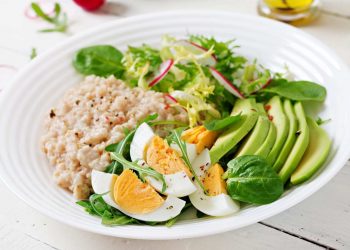
When you think of bone health, leafy greens might not be the first thing that comes to mind, but they should be! Vegetables like kale, spinach, collard greens, and Swiss chard are rich in calcium, magnesium, and vitamin K. These nutrients are essential for bone density and overall skeletal strength.
Calcium and Vitamin K: Calcium is a well-known bone-builder, but did you know that vitamin K plays a significant role in bone metabolism? It helps bind calcium to the bone matrix, making bones stronger. A study published in the American Journal of Clinical Nutrition found that higher intakes of vitamin K were associated with increased bone mineral density in older women (Booth et al., 2013).
Pros and Cons
Pros: Leafy greens are low in calories, high in fiber, and packed with antioxidants. They also offer a variety of phytochemicals that can combat inflammation.
Cons: Some people may find it challenging to consume enough leafy greens regularly. Plus, those taking blood thinners should consult with a healthcare provider, as high vitamin K intake can interfere with these medications.
2. Fatty Fish: The Omega-3 Champions
Why Fish?
Fatty fish like salmon, mackerel, and sardines aren’t just delicious; they’re also loaded with omega-3 fatty acids, which are beneficial for bone health. Omega-3s have anti-inflammatory properties that can help reduce bone loss.
Vitamin D: Many fatty fish are also excellent sources of vitamin D. This vitamin helps your body absorb calcium more effectively. A review in Nutrients highlighted that vitamin D deficiency is linked to increased risk of fractures (Holick, 2017).
Pros and Cons
Pros: Besides benefiting bones, omega-3s can improve heart health and brain function. Plus, they’re versatile and can be incorporated into various dishes.
Cons: Not everyone enjoys fish, and some might have dietary restrictions. It’s also essential to be mindful of mercury levels in certain types of fish, especially for pregnant women or young children.
3. Nuts and Seeds: Tiny but Mighty
Nutritional Benefits
Nuts and seeds, such as almonds, chia seeds, and sesame seeds, are small but packed with nutrients that promote bone health. They provide calcium, magnesium, and healthy fats, all of which are crucial for maintaining strong bones.
Magnesium’s Role: Magnesium helps convert vitamin D into its active form, which is necessary for calcium absorption. A study in Journal of Bone and Mineral Research found that higher magnesium intake was associated with greater bone mineral density in postmenopausal women (Rude et al., 2012).
Pros and Cons
Pros: Nuts and seeds are easy to snack on and can be added to various meals for an extra nutrient boost. They’re also rich in antioxidants, which support overall health.
Cons: They can be calorie-dense, so moderation is key. Also, people with nut allergies should avoid these foods altogether.
4. Dairy: The Classic Choice
Dairy Delights
Dairy products like milk, yogurt, and cheese are often considered the gold standard for bone health due to their high calcium content. They also contain phosphorus and vitamin D, which work together to strengthen bones.
Yogurt Benefits: Greek yogurt, in particular, is a fantastic source of probiotics, which can improve gut health and may indirectly support bone health by enhancing nutrient absorption.
Pros and Cons
Pros: Dairy is widely available and can be easily incorporated into your diet. Plus, it’s delicious!
Cons: Some people are lactose intolerant or have dairy allergies, which can limit their options. For those individuals, fortified plant-based alternatives like almond or soy milk can be good substitutes.
5. Berries: Nature’s Sweet Treat
The Berry Benefits
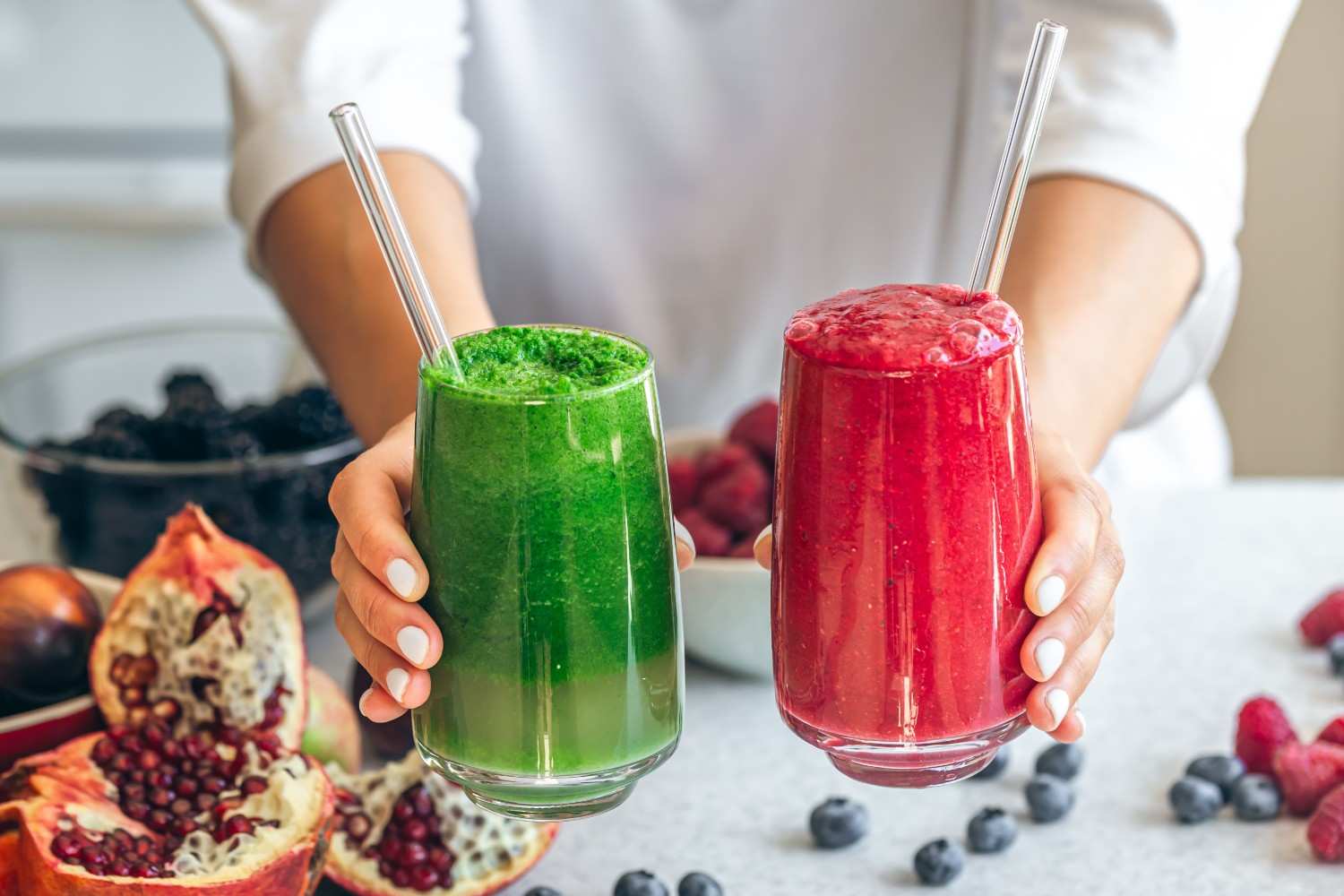
Berries, particularly blueberries and strawberries, are often overlooked when it comes to bone health. However, they’re rich in antioxidants, vitamins, and minerals that can help maintain bone density.
Antioxidants and Inflammation: A study published in the Journal of Nutrition indicated that the antioxidants found in berries can help reduce bone loss and inflammation (Buchowski et al., 2016).
Pros and Cons
Pros: Berries are low in calories and high in fiber, making them an excellent snack option. They’re also versatile and can be added to smoothies, yogurt, or salads.
Cons: They can be more expensive than other fruits, especially when out of season. Plus, they have a shorter shelf life, so you’ll want to consume them relatively quickly.
FAQs
1. How much calcium do I need daily for strong bones?
The recommended daily intake varies by age and gender, but generally, adults need about 1,000 mg of calcium per day, increasing to 1,200 mg for women over 50 and men over 70.
2. Can I get enough vitamin D from food alone?
While some foods are good sources of vitamin D (like fatty fish and fortified dairy), sunlight exposure is also crucial. Many people may require supplements to meet their needs, especially in winter months or if they have limited sun exposure.
3. Are there any foods I should avoid for better bone health?
Excessive sodium and caffeine can negatively impact bone health. Try to limit processed foods high in salt and be mindful of your coffee and soda intake.
4. How can I incorporate these superfoods into my diet?
You can easily add leafy greens to salads or smoothies, enjoy fatty fish for dinner a couple of times a week, snack on nuts and seeds, indulge in yogurt, and top your meals with berries for a delicious and nutritious boost!
Conclusion
Strengthening your bones doesn’t have to be a chore. By incorporating these five superfoods into your diet, you can enjoy delicious meals while actively promoting bone health. Remember, what you eat has a profound impact on your body, and making smarter choices now can lead to a stronger, healthier future.
This article is for educational purposes only and is not a substitute for professional medical advice. Always consult a qualified healthcare provider before making changes to your health routine.
References
-
Booth, S. L., et al. (2013). Vitamin K and Bone Health: A Review. American Journal of Clinical Nutrition. Retrieved from https://academic.oup.com/ajcn/article/98/2/571S/4577178
-
Holick, M. F. (2017). Vitamin D: A D-Lightful Health Perspective. Nutrients. Retrieved from https://www.mdpi.com/2072-6643/9/2/179
-
Rude, R. K., et al. (2012). Magnesium Deficiency and Bone Health. Journal of Bone and Mineral Research. Retrieved from https://onlinelibrary.wiley.com/doi/abs/10.1002/jbmr.1584
-
Buchowski, M. S., et al. (2016). Berries and Bone Health: A Review of the Evidence. Journal of Nutrition. Retrieved from https://academic.oup.com/jn/article/146/5/1050S/4584779
Get Your FREE Natural Health Guide!
Subscribe now and receive our exclusive ebook packed with natural health tips, practical wellness advice, and easy lifestyle changes — delivered straight to your inbox.