Botanical Scalp Vigor and 10 Reasons Mustard Oil for Hair Growth Women Should Try
A healthy scalp environment is the foundation for resilient strands, and mustard oil for hair growth women use provides a unique combination of warming properties and essential fatty acids. This traditional seed oil serves as a concentrated source of allyl isothiocyanate and minerals often associated with maintaining follicle activity. Integrating these bioactive compounds provides the building blocks necessary for a thriving follicular landscape.
People with underlying conditions often work with a qualified healthcare professional for personalized guidance regarding scalp sensitivity or hormonal shifts. This educational overview explores how specific plant based compounds are associated with a sense of hair volume and scalp warmth. These natural options offer a practical way to support a lifestyle focused on wellness and long term hair quality.
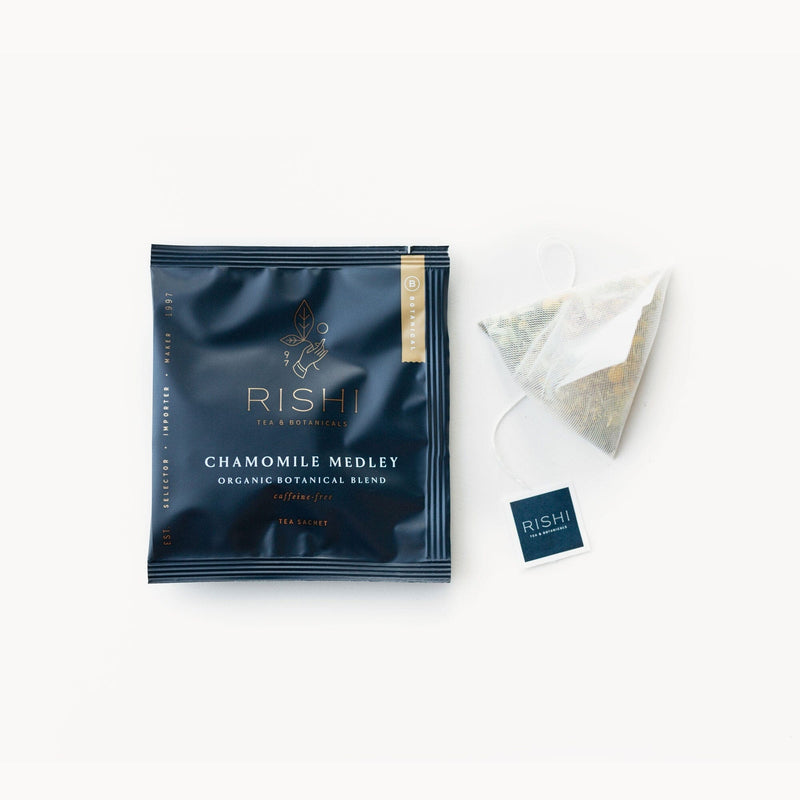
Rishi Chamomile Medley™ Botanical Blend
- Targeted botanical blend designed to work with your body's natural evening rhythms
- Supports a calm state of mind and consistent physical relaxation after a high-demand day
- Formulated for a smooth evening transition without relying on heavy synthetic sleep aids
The relationship between topical seed fats and the maintenance of a clear scalp is a significant area of interest for those seeking natural support. Many individuals explore this pungent oil to complement their existing self care routines and traditional practices. While this botanical is not a substitute for professional dermatological care, it remains a vital component of a holistic, beauty centered nutritional plan.
Scaling Scalp Warmth for Follicle Support
Mustard oil is categorized as a rubefacient, a substance that produces a gentle warming sensation when applied to the skin. This warming effect is frequently discussed for its role in supporting the local environment surrounding the hair follicle. A warm scalp is often associated with a sense of increased physical responsiveness and nutrient delivery.
The presence of allyl isothiocyanate provides the characteristic heat that makes this oil a staple in traditional hair rituals. This stimulus supports the body’s natural ability to maintain an active scalp surface. Many women find that this warming sensation helps them feel more connected to their scalp wellness routine.
Modern interest in this oil has grown as more individuals seek ways to support their hair’s appearance without synthetic additives. Research from the National Institutes of Health indicates that specific seed oils are associated with general scalp wellness. They are a foundational choice for those prioritizing long term follicle resilience through traditional whole food extracts.
- Active Compound: Allyl Isothiocyanate
- Best Used For: Scalp warming and follicle environment support
- Mechanism: Providing sensory stimulus to the scalp surface
Topical Application Method
Warming the oil slightly before a scalp massage ensures the bioactive compounds are active and the heat is soothing. This practice helps the oil spread more evenly across the scalp for a balanced application.
Fatty Acid Density and Strand Protection
Mustard seeds produce an oil rich in erucic acid and oleic acid, which are essential monounsaturated fats. These lipids help coat the hair shaft, providing a natural barrier against environmental stressors. When strands are well coated, they are less likely to experience the breakage that limits visible length.
Maintaining the lipid profile of the hair fiber is essential for a sense of smoothness and shine. These fats act as an emollient, helping the hair withstand the friction of daily brushing and styling. Many find that this botanical support helps their hair feel softer and more manageable during dry seasons.
Historical use of seed oils in diverse cultures points to their recognized value as a fiber protectant. Today, mustard oil is valued for its ability to deliver these protective lipids without the use of silicones or synthetic waxes. It offers a whole food approach to fiber resilience and natural luster.
- Active Compound: Erucic and Linoleic Acids
- Best Used For: Strand elasticity and breakage protection
- Mechanism: Sealing the hair cuticle to prevent moisture loss
Fiber Coating Protocol
Applying a small amount of oil to the mid lengths and ends of the hair before cleansing can protect the strands from the stripping effects of surfactants. This habit provides a steady layer of protection during the washing process.
Mineral Support for Structural Integrity
The hair follicle requires a constant supply of minerals to produce a strong hair shaft. Mustard oil provides a meaningful amount of selenium and magnesium, minerals often associated with the production of structural proteins. Adequate mineral levels are a significant factor in the hair’s ability to remain robust.
Supporting the scalp with these minerals ensures the follicles have the resources needed for protein synthesis. This is frequently associated with a reduction in the sense of hair fragility and thinning. Many people find that focusing on mineral density is a primary step in feeling more satisfied with their hair’s resilience.
The botanical matrix of the oil helps maintain the bioavailability of these trace elements. This ensures the system remains functional and responsive to the needs of the hair cycle. It is a sophisticated way to support the body’s most basic structural needs through natural, seed based nutrition.
- Active Nutrient: Selenium and Magnesium
- Best Used For: Structural strength and protein production
- Mechanism: Serving as cofactors for the maintenance of hair fibers
Scalp Mineral Routine
Leaving the oil on the scalp for at least thirty minutes allows the trace minerals to interact with the skin surface. This duration ensures the scalp receives a steady supply of nutrients during the treatment.
Omega 3 Content and Scalp Comfort
Unlike many other common seed oils, mustard oil contains a notable amount of alpha linolenic acid (ALA), a plant based Omega 3 fat. These fats are essential for maintaining a sense of scalp comfort and hydration. A well hydrated scalp is less likely to experience the dryness that can lead to irritation.
Omega 3 fatty acids are often discussed for their role in supporting the body’s natural moisture barriers. When the scalp’s barrier is strong, it can more effectively retain the water needed for healthy skin. Many women find that this botanical support helps their scalp feel more balanced and less prone to flaking.
As individuals prioritize their wellness, supporting the scalp’s natural moisture through botanicals becomes a key goal. This oil offers a natural way to support these barriers alongside other synergistic fats. It is a cornerstone of a lipid rich routine focused on long term scalp health.
- Active Nutrient: Alpha Linolenic Acid (Omega 3)
- Best Used For: Scalp hydration and moisture barrier support
- Mechanism: Integrating into the skin’s lipid layers for water retention
Hydration Balancing Strategy
Using the oil during the colder months can help manage the impact of dry indoor air on the scalp. This practice ensures the scalp’s moisture levels remain stable during seasonal changes.
Vitamins A and E for Oxidative Defense
The scalp surface is frequently exposed to environmental stressors like UV light and urban pollutants. Mustard oil contains Vitamin E and precursors to Vitamin A, which are often discussed in the context of protecting the skin. These antioxidants help neutralize free radicals that may be associated with natural scalp aging.
Maintaining the health of the scalp’s surface cells is vital for a clear and responsive follicular environment. The compounds in this oil help support the body’s natural defense mechanisms against oxidative pressure. This protection is a proactive strategy for those looking to maintain their scalp quality over the years.
Because the oil works on several protective pathways simultaneously, the resulting sense of scalp comfort is often deep and lasting. It provides a balanced package of nutrients that work together to support the body’s internal signaling processes. This makes it a superior choice for those seeking a gentle and non stimulating protective option.
- Active Compound: Alpha Tocopherol (Vitamin E)
- Best Used For: Scalp surface protection and antioxidant defense
- Mechanism: Scavenging free radicals on the follicular surface
Scalp Defense Protocol
Rinsing the hair with cool water after an oil treatment can help seal the antioxidants into the scalp surface. This practice ensure the environmental impact on the follicles is managed through natural support.
Natural Cleansing and Scalp Hygiene
Mustard oil has been used traditionally for its cleansing properties on the skin and scalp. It is frequently discussed for its role in maintaining a clear scalp surface by helping to remove excess sebum and debris. A clear scalp is essential for the hair to emerge from the follicle without obstruction.
The oil’s unique chemical profile, including sulfur compounds, supports a sense of internal cleanliness. This is particularly interesting for those who want to support their scalp’s natural balance. A well cleansed scalp allows for more consistent hair quality and a fresher feeling.
Maintaining a clear environment involves more than just washing; it requires the correct balance of oils. Mustard oil helps manage the scalp’s natural oil production by providing a high quality lipid source. This offers a simple way to support your scalp’s hygiene through natural, seed based extracts.
- Action: Natural surface cleansing
- Best Used For: Scalp hygiene and sebum management
- Mechanism: Dissolving excess oils and clearing the follicular opening
Hygiene Maintenance Instructions
Performing a thorough scalp massage with the oil once a week can help lift debris before your regular wash. This habit ensures the scalp remains a clean and vibrant foundation for hair.
Glucosinolates and Follicular Vitality
Mustard seeds are part of the brassica family and are rich in glucosinolates. These sulfur containing compounds are often discussed for their role in supporting cellular wellness. In the context of the scalp, they are associated with maintaining the vigor of the cells responsible for hair production.
Supporting these cells ensures the body has the resources needed to maintain an active hair cycle. This is frequently associated with a sense of better hair stamina and reduced shedding. Many find that focusing on these unique compounds is a primary step in feeling more satisfied with their hair’s volume.
The presence of sulfur is a critical aspect of hair structure, as it is a key component of keratin. Mustard oil provides this element in a form that is easily recognized by the scalp and follicles. It is a sophisticated way to support the body’s most basic hair needs through natural nutrition.
- Active Compound: Glucosinolates and Sulfur
- Best Used For: Follicular stamina and hair cycle support
- Mechanism: Providing structural elements for keratin synthesis
Follicle Vitality Strategy
Focusing the application on the areas of the scalp where the hair feels less dense can provide targeted support. This practice ensures the sulfur rich compounds are delivered where they are needed most.
Beta Carotene for Scalp Surface Health
The vibrant color of mustard seeds is partly due to the presence of beta carotene, a precursor to Vitamin A. This nutrient is essential for the health of the epithelial tissues, including the scalp skin. A healthy skin surface is more resilient and better able to support the hair follicles.
Maintaining the integrity of the scalp’s surface is essential for preventing the irritation that can disrupt the hair cycle. Beta carotene supports the body’s natural repair processes and helps maintain a smooth skin texture. Many women find that this botanical support helps their scalp feel more comfortable and physically grounded.
As individuals prioritize their wellness, supporting the scalp’s natural repair through botanicals becomes a key goal. This oil offers a natural approach to supporting these structural tissues over time. It is a long term strategy for those who value a proactive approach to their physical wellness.
- Active Nutrient: Beta Carotene
- Best Used For: Scalp skin integrity and repair support
- Mechanism: Supporting the maintenance of epithelial cell health
Skin Surface Instructions
Ensuring the oil is massaged into the hairline can support the skin surface in areas often exposed to styling stress. This practice helps maintain the resilience of the scalp’s most visible areas.
Traditional Wisdom and Holistic Rituals
Beyond the chemical components, the use of mustard oil is rooted in holistic wellness traditions. These rituals emphasize the importance of self care and the connection between physical actions and mental well being. Many people find that the act of a slow scalp massage provides a sense of relaxation and focus.
A relaxed mind is often associated with a better sense of overall health. By incorporating traditional oils into a daily or weekly routine, individuals can foster a deeper connection to their personal wellness journey. This mindful approach is a significant factor in long term health and satisfaction.
The scent and warmth of the oil create a sensory experience that signals a time for rest and recovery. This ritualistic focus addresses the body’s need for both physical nutrients and emotional balance. It is a core principle of a performance centered and holistic lifestyle.
- Philosophy: Holistic self care and tradition
- Benefit: Relaxation and sensory grounding
- Outcome: A more consistent and enjoyable wellness routine
Ritual Integration Sentence
Setting aside twenty minutes for a dedicated oil treatment can serve as a mindful break in a busy schedule. This practice encourages a focus on personal health while providing the scalp with essential botanical support.
Protein Compatibility and Keratin Support
Mustard seeds contain proteins that are compatible with the structural needs of the hair fiber. While the oil is primarily lipid based, it contains trace amounts of amino acids that can interact with the hair’s surface. This interaction is associated with a sense of hair strength and resilience.
Supporting the hair’s protein structure is essential for maintaining its natural shape and bounce. Many find that this botanical support helps their hair feel more robust and less prone to the environmental damage that leads to thinning. It is a versatile addition to a beauty centered routine.
Integrating these traditional fats ensures the hair fiber remains flexible and capable of withstanding the demands of various hairstyles. This supports a sense of physical confidence and long term hair quality. It is a simple way to increase your daily support for your hair’s most basic physical needs.
- Active Nutrient: Trace Amino Acids
- Best Used For: Fiber strength and keratin support
- Mechanism: Interacting with the hair’s protein layers for resilience
Structural Support Protocol
Combining a small amount of mustard oil with other protein rich botanicals like egg or yogurt can create a comprehensive hair mask. This approach ensures the hair receives both the lipids and the amino acids it needs for success.
| Nutrient Focus | Botanical Action | Hair Wellness Outcome |
|---|---|---|
| Warming Oils | Sensory stimulus | Follicle Vigor |
| Erucic Acid | Fiber coating | Breakage Reduction |
| Selenium | Protein cofactor | Structural Strength |
| Glucosinolates | Sulfur supply | Hair Cycle Stability |
Frequently Asked Questions
Is mustard oil safe for all skin types?
Mustard oil is a potent botanical and may cause a warming sensation or redness in those with sensitive skin. It is essential to perform a patch test on a small area of skin before applying it to the entire scalp. Many people find that diluting it with a milder oil like almond or coconut oil makes it more comfortable for regular use.
How often should I use mustard oil for my hair?
For most women, using the oil once or twice a week is sufficient to provide the scalp with essential nutrients. Consistent use over several months is the best way to evaluate how the oil supports your long term hair quality and volume.
Can mustard oil help with a dry scalp?
The high concentration of fatty acids, including Omega 3s, makes it an excellent choice for supporting scalp hydration. Many find that regular oil treatments help manage the dryness that can lead to flaking and physical discomfort.
Does the oil have a strong smell?
Mustard oil has a distinct, pungent aroma due to the presence of sulfur compounds. While some enjoy the natural scent, others prefer to wash their hair thoroughly after a treatment to remove the odor. Essential oils can also be added to the mixture to adjust the fragrance.
The Bottom Line
Incorporate nutrient dense botanical fats like mustard oil as a powerful strategy for maintaining scalp comfort and follicular longevity. By providing essential minerals, warming oils, and protective fatty acids, this traditional seed oil addresses the primary structural and signaling needs of your hair.
Establish a weekly scalp massage ritual with slightly warmed mustard oil to support your hair’s natural density and resilience as your primary next step.
Get Your FREE Natural Health Guide!
Subscribe now and receive our exclusive ebook packed with natural health tips, practical wellness advice, and easy lifestyle changes, delivered straight to your inbox.