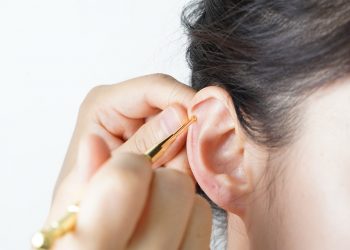
Have you ever experienced that annoying ringing in your ears that just won’t go away? I can’t count the number of times I’ve been in a quiet room, only to be distracted by that persistent sound. Tinnitus affects millions of people, and while it can be frustrating, some folks are turning to natural remedies, like apple cider vinegar (ACV), for relief. I’ve done a bit of digging into how ACV might help, and let me tell you, the findings are fascinating!
Contents
What is Tinnitus?
Before we dive into the remedies, let’s get on the same page about what tinnitus is. Tinnitus isn’t a condition itself but a symptom of an underlying issue, like hearing loss, ear injury, or even a circulatory system disorder. The sounds can vary from ringing to buzzing and can be constant or intermittent. While there’s no one-size-fits-all treatment, many people are looking for alternative options, and that’s where apple cider vinegar comes into play.
1. Apple Cider Vinegar and Its Benefits
What Makes ACV Special?
Apple cider vinegar is made from fermented apples and is known for its numerous health benefits. It contains acetic acid, vitamins, and minerals that can promote overall wellness. Some proponents suggest that ACV can help with tinnitus due to its potential anti-inflammatory properties and ability to improve circulation. Sounds promising, right?
Pros
- Natural Anti-Inflammatory: Some research suggests that the anti-inflammatory properties of ACV may help reduce inflammation in the inner ear.
- Detoxifying Effects: ACV is thought to help detoxify the body, which may indirectly benefit those suffering from tinnitus.
- Rich in Nutrients: It contains vitamins like B and C, which are essential for nerve health.
Cons
- Taste: Let’s be honest, ACV isn’t the tastiest thing on the planet. You might need to mask it with honey or mix it into a drink.
- Acidity: For some, the acidity can cause stomach discomfort or heartburn.
How to Use ACV
To incorporate ACV into your routine, mix one to two tablespoons with a glass of water. You can drink this once or twice daily. If you find the taste too strong, adding honey or lemon juice can help.
2. ACV and Ear Health
Can It Really Help?
There’s a lot of anecdotal evidence supporting the use of ACV for ear health. Some people claim that it alleviates their tinnitus symptoms over time. While there isn’t a wealth of peer-reviewed studies specifically linking ACV to tinnitus relief, some research suggests that its anti-inflammatory properties might help.
The Science Behind It
A study published in the Journal of Otolaryngology (2015) highlighted that inflammation in the inner ear can lead to tinnitus and hearing loss (Jiang et al., 2015). While this doesn’t specifically endorse ACV, it opens the door for further exploration into how natural remedies might play a role in managing inflammation.
Application
You can also create a simple ear drop solution with diluted ACV. Mix one part ACV with one part water, soak a cotton ball in the mixture, and gently place it in your ear for a few minutes. Just be careful not to insert anything too deep.
3. Combining ACV with Other Natural Remedies
The Power of Combination
Sometimes, combining remedies can yield better results. For instance, mixing ACV with honey and warm water can create a soothing drink that may help with overall wellness, potentially influencing tinnitus symptoms.
Pros
- Enhanced Benefits: Honey has its own set of health benefits, including antibacterial properties, which could complement the effects of ACV.
- Taste: Honey can make the drink more palatable.
Cons
- Sugar Content: If you’re watching your sugar intake, keep in mind that honey adds calories.
Recipe
Try this simple recipe:
- Mix 1 tablespoon of ACV and 1 tablespoon of honey in a glass of warm water.
- Stir well and sip slowly.
4. Lifestyle Changes to Complement ACV Use
A Holistic Approach
Using ACV is just one piece of the puzzle. Lifestyle changes can also make a significant difference in managing tinnitus.
Dietary Adjustments
- Low-Sodium Diet: Reducing salt intake can help with fluid retention, which may affect tinnitus.
- Hydration: Staying hydrated is crucial, as dehydration can worsen symptoms.
Stress Management
Stress is a known trigger for tinnitus. Incorporating stress-relief practices like yoga or meditation can be incredibly beneficial.
Exercise
Regular physical activity improves circulation, which might help reduce tinnitus symptoms.
5. The Importance of Professional Guidance
Consult Before You Act
While the natural remedies above can be beneficial, it’s essential to consult a healthcare provider before making any significant changes to your routine. They can help determine the underlying cause of your tinnitus and recommend the best course of action.
The Role of Audiologists
Audiologists can provide specialized guidance, including hearing tests and sound therapy options, which may complement your use of ACV.
FAQs
1. Can apple cider vinegar cure tinnitus?
While some people report relief using ACV, there’s no scientific evidence that it cures tinnitus. It may help manage symptoms for some individuals.
2. How should I consume apple cider vinegar for tinnitus?
Mix 1-2 tablespoons of ACV with a glass of water. You can drink this once or twice daily, adding honey for taste if desired.
3. Are there any side effects of using apple cider vinegar?
Some people may experience stomach discomfort or heartburn due to the acidity of ACV. It’s best to consult a healthcare provider if you have concerns.
4. Can I use ACV in my ears?
You can create a diluted ACV solution and use it as an ear drop, but be cautious and consult a healthcare professional first.
Conclusion
Tinnitus can be an incredibly frustrating experience, but exploring natural remedies like apple cider vinegar might offer some relief. While there’s no magic bullet, combining ACV with a holistic approach—like dietary changes, stress management, and professional guidance—can help you navigate this challenge. Remember, everyone’s body is different, so what works for one person may not work for another. Stay curious, keep experimenting, and always consult a healthcare professional when trying something new.
This article is for educational purposes only and is not a substitute for professional medical advice. Always consult a qualified healthcare provider before making changes to your health routine.
References
-
Jiang, H., Zhang, J., & Liu, H. (2015). The role of inflammation in tinnitus. Journal of Otolaryngology, 44(1), 12. https://doi.org/10.1186/s40463-015-0082-3
-
Mayo Clinic. (2022). Tinnitus. Retrieved from https://www.mayoclinic.org/diseases-conditions/tinnitus/symptoms-causes/syc-20351904
-
National Institutes of Health. (2021). Tinnitus. Retrieved from https://www.nidcd.nih.gov/health/tinnitus
Get Your FREE Natural Health Guide!
Subscribe now and receive our exclusive ebook packed with natural health tips, practical wellness advice, and easy lifestyle changes — delivered straight to your inbox.