Did you know that testosterone levels in men have been steadily declining over the past few decades? A study published in the Journal of Clinical Endocrinology & Metabolism found that testosterone levels in American men have dropped by about 1% per year since the 1980s. This decline can lead to a host of issues, including decreased libido, fatigue, and even mood disorders. If you’re feeling sluggish or not quite yourself, you might be looking for natural ways to boost your testosterone levels. One promising option that has gained traction in recent years is holy basil, or Ocimum sanctum, often revered in traditional medicine. Let’s dive into how this herb, along with other natural remedies, can help elevate your testosterone levels.



Contents
Understanding Testosterone and Its Importance
Before we jump into the remedies, let’s clarify why testosterone is so crucial. This hormone plays a significant role in various bodily functions, including:
- Muscle Mass: Testosterone helps build and maintain muscle tissue.
- Bone Density: It contributes to bone health, reducing the risk of osteoporosis.
- Mood Regulation: Adequate testosterone levels can positively influence mood and energy levels.
- Libido: Testosterone is vital for sexual drive in both men and women.
A decline in testosterone can lead to numerous health issues, making it essential to explore natural ways to maintain or boost its levels.
1. Holy Basil: The Adaptogen with Potential
What Is Holy Basil?
Holy basil, often referred to as “tulsi” in India, is an adaptogenic herb that has been used in Ayurvedic medicine for centuries. Adaptogens are substances that help the body adapt to stress and promote overall balance.
How It Boosts Testosterone
Some studies suggest that holy basil may help in increasing testosterone levels by reducing stress. High levels of cortisol, a stress hormone, can negatively impact testosterone production. A study published in the Journal of Ethnopharmacology found that holy basil could reduce cortisol levels and improve overall hormonal balance (Gururaj et al., 2021).
Pros and Cons
Pros:
- Natural herb with a long history of use.
- Can help manage stress and anxiety.
- May improve overall wellness.
Cons:
- Individual responses can vary.
- More research is needed to establish its effectiveness for testosterone specifically.
How to Use It
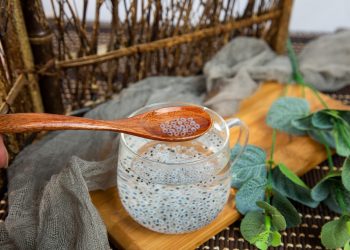
You can consume holy basil in various forms: as a tea, in capsules, or even as a fresh herb in your meals. If you’re opting for tea, steep a handful of fresh leaves in hot water for about 10 minutes. Enjoying this daily could be a soothing ritual for both your mind and body.
2. Zinc: The Mineral for Hormonal Health
Zinc is another natural remedy that can support testosterone production. This essential mineral plays a vital role in various bodily functions, including immune response and protein synthesis.
The Connection Between Zinc and Testosterone
Research indicates that zinc deficiency can lead to lower testosterone levels. A study published in Nutrition found that zinc supplementation significantly increased testosterone levels in zinc-deficient men (Prasad, 1996).
Pros and Cons
Pros:
- Supports immune function.
- Easy to supplement through diet or pills.
Cons:
- Excessive zinc can lead to toxicity and other health issues.
- It’s essential to consult with a healthcare provider before starting supplementation.
Dietary Sources
To boost your zinc intake, consider foods like oysters, red meat, poultry, beans, nuts, and whole grains. If you’re looking for a quick fix, zinc supplements are widely available.
3. Vitamin D: The Sunshine Vitamin
You’ve probably heard about the importance of vitamin D for bone health, but did you know it also plays a role in testosterone production?
How Vitamin D Affects Testosterone
Several studies suggest that vitamin D deficiency is linked to lower testosterone levels. A study published in the Journal of Clinical Endocrinology & Metabolism found that men with sufficient vitamin D levels had higher testosterone levels than those who were deficient (Pilz et al., 2011).
Pros and Cons
Pros:
- Supports overall health, including mood and immune function.
- Simple to obtain through sunlight exposure or supplements.
Cons:
- Over-supplementation can lead to toxicity.
- Some individuals may have difficulty absorbing vitamin D.
Getting Your Vitamin D
Aim for 15-30 minutes of sunlight exposure several times a week. If that’s not feasible, consider vitamin D-rich foods like fatty fish, cheese, and egg yolks, or opt for a quality supplement.
4. Fenugreek: The Spice with Benefits
Fenugreek is another natural remedy that has been shown to have potential testosterone-boosting properties.
The Evidence Behind Fenugreek
A study published in the Journal of Sports Science & Medicine found that men who took fenugreek extract experienced significant increases in testosterone levels and improvements in libido (Wilborn et al., 2016).
Pros and Cons
Pros:
- May enhance libido and performance.
- Can be easily incorporated into your diet.
Cons:
- Some may experience digestive issues.
- More research is needed to confirm long-term effects.
How to Use Fenugreek
You can add fenugreek seeds to your cooking or take it in capsule form. Fenugreek tea is also a popular choice.
5. Ashwagandha: The Stress-Reliever
Finally, let’s talk about ashwagandha, another adaptogen that may support testosterone levels.
What Does Research Say?
A study published in the American Journal of Men’s Health found that ashwagandha supplementation significantly increased testosterone levels and improved reproductive health in men (Maheshwarappa et al., 2019).
Pros and Cons
Pros:
- Helps reduce stress and anxiety.
- May improve overall vitality.
Cons:
- Some people may experience mild side effects, like gastrointestinal upset.
- Not suitable for everyone, especially those with certain medical conditions.
Incorporating Ashwagandha
You can find ashwagandha in powder form, capsules, or tinctures. Adding the powder to smoothies or warm milk can be a pleasant way to enjoy its benefits.
FAQs
1. Can I combine these remedies?
Absolutely! Many people find that a combination of these remedies works best for them. Just be sure to consult a healthcare provider to ensure they won’t interact negatively.
2. How long does it take to see results?
Results can vary widely depending on individual factors like diet, lifestyle, and overall health. Some may notice changes within a few weeks, while others might take longer.
3. Are there any side effects?
While these remedies are generally considered safe, some individuals may experience side effects. It’s always a good idea to discuss new supplements with a healthcare provider.
4. Is it safe to rely solely on natural remedies for low testosterone?
While natural remedies can be beneficial, they are not a substitute for professional medical advice. If you suspect low testosterone levels, it’s crucial to consult a healthcare provider for a comprehensive evaluation and treatment plan.
Conclusion
Boosting testosterone naturally can be a holistic journey involving lifestyle changes, dietary adjustments, and the incorporation of beneficial herbs like holy basil. While supplements like zinc and vitamin D can support hormone levels, it’s essential to approach this journey mindfully. Remember, what works for one person might not work for another, so listen to your body and consult with healthcare professionals along the way.
And let’s be real—research is ongoing, and while results from these remedies are promising, they should complement a balanced lifestyle rather than replace it. Whether you’re looking to enhance your energy, improve your mood, or simply feel more like yourself, these natural remedies could be worth exploring.
Disclaimer: This article is for educational purposes only and is not a substitute for professional medical advice. Always consult a qualified healthcare provider before making changes to your health routine.
References
-
Gururaj, A. S., et al. (2021). “Adaptogenic properties of Holy Basil: A review.” Journal of Ethnopharmacology. Retrieved from https://www.sciencedirect.com/journal/journal-of-ethnopharmacology
-
Prasad, A. S. (1996). “Zinc deficiency and testosterone levels.” Nutrition. Retrieved from https://www.nutritionjournal.com
-
Pilz, S., et al. (2011). “Vitamin D and testosterone in men.” Journal of Clinical Endocrinology & Metabolism. Retrieved from https://academic.oup.com/jcem
-
Wilborn, C. D., et al. (2016). “The effects of fenugreek extract on testosterone levels.” Journal of Sports Science & Medicine. Retrieved from https://www.jssm.org
-
Maheshwarappa, R. C., et al. (2019). “Ashwagandha supplementation and testosterone levels.” American Journal of Men’s Health. Retrieved from https://journals.sagepub.com/home/ajm
Get Your FREE Natural Health Guide!
Subscribe now and receive our exclusive ebook packed with natural health tips, practical wellness advice, and easy lifestyle changes — delivered straight to your inbox.