Fueling Fertility: A Natural Semen Volume Diet Approach
Maintaining overall wellness involves many interconnected systems. Nutritional choices play a fundamental role in supporting various bodily functions. For those interested in optimizing reproductive health, a targeted semen volume diet can be a valuable area of focus.
Exploring specific foods offers insight into how dietary components interact with the body. This guide details five particular foods that provide compounds often discussed in the context of male reproductive wellness. It focuses on general nutritional principles rather than specific medical outcomes.
Understanding the influence of diet on biological processes can empower individuals to make informed choices. This information is educational and not a substitute for medical advice. People with underlying conditions often work with a qualified healthcare professional for personalized guidance.
Nutritional Foundations for Reproductive Wellness
The human body operates through intricate biological pathways, many of which depend on a consistent supply of essential nutrients. When it comes to supporting reproductive health, foundational nutrition is paramount. Adequate protein, healthy fats, vitamins, and minerals all contribute to the body’s overall functional capacity.
Sperm production, a continuous and energy-intensive process, relies on a steady stream of these building blocks. While the body manages these processes internally, dietary support can complement its natural efforts. The quality and diversity of nutrients consumed can be a subject of interest for many.
Specific micronutrients, like zinc and selenium, are often discussed in relation to cellular health. Antioxidants, found abundantly in fruits and vegetables, help protect cells from oxidative processes. These elements are readily available through a balanced and varied dietary pattern.
| Nutrient Category | Common Dietary Sources | General Wellness Role |
|---|---|---|
| Omega-3 Fatty Acids | Fish, flaxseed, walnuts | Supports cellular structural integrity |
| Zinc | Oysters, beef, pumpkin seeds | Involved in enzyme function |
| Folate | Leafy greens, legumes, asparagus | Contributes to DNA synthesis |
| Vitamin C | Citrus fruits, bell peppers, broccoli | Acts as an antioxidant |
| L-Arginine | Meats, nuts, seeds, dark chocolate | A precursor to nitric oxide |
Walnuts – The Omega-3 and Antioxidant Source
Walnuts stand out as a highly nutrient-dense food, renowned for their exceptional profile of omega-3 fatty acids, particularly alpha-linolenic acid (ALA). These beneficial fats are considered essential, meaning the body does not produce them on its own and must obtain them through diet. Omega-3s are integral components of cell membranes throughout the body, contributing to their structure and flexibility.
Beyond their healthy fat content, walnuts are rich in various antioxidants, including polyphenols and vitamin E. These compounds help manage oxidative processes within the body. Oxidative balance is often discussed as a factor in maintaining cellular health across different organ systems, including those involved in reproductive function.
Historically, walnuts have been valued in many cultures not just for their taste but also for their perceived health benefits. Their unique blend of fats, proteins, and micronutrients makes them a complete package for general wellness support. Integrating them into a regular diet offers a simple way to introduce these beneficial compounds.
* Active Compounds: Alpha-linolenic acid (ALA), Vitamin E, Polyphenols.
* Best Used For: General dietary omega-3 intake, antioxidant support.
* General Wellness Association: Supports cellular structural integrity and oxidative balance.
Daily Dietary Inclusion
Consider incorporating a handful of walnuts into your daily routine, perhaps added to oatmeal or a salad.
Oysters – A Premier Source of Zinc
Oysters are celebrated for their exceptionally high concentration of zinc, a trace mineral vital for numerous enzymatic reactions in the body. Zinc participates in DNA synthesis, protein production, and cell division, processes fundamental to overall physiological maintenance. Its role extends to supporting the immune system and wound healing.
For those focusing on reproductive wellness, zinc often draws particular attention due to its widespread involvement in cellular mechanisms. Maintaining adequate zinc levels is a common topic in discussions about male health. The bioavailability of zinc from oysters is considered quite high, meaning the body can readily absorb and utilize it.
Beyond zinc, oysters also offer other beneficial nutrients like selenium and vitamin B12, further enhancing their nutritional value. These components collectively contribute to a robust dietary intake, supporting various metabolic pathways. Including oysters periodically can be a deliberate choice for nutrient diversification.
* Active Compound: Zinc.
* Best Used For: Supplying essential trace mineral intake.
* General Wellness Association: Contributes to normal immune function and cellular processes.
Serving Suggestion
Enjoy oysters as a fresh appetizer or steamed part of a meal a few times each month.
Garlic – The Allicin and Antioxidant Hub
Garlic, a staple in cuisines worldwide, is more than just a flavor enhancer; it is packed with bioactive compounds, most notably allicin. Allicin forms when raw garlic is crushed or chopped, triggering an enzymatic reaction. This sulfur-containing compound is responsible for much of garlic’s distinctive aroma and many of its attributed properties.
Allicin and other sulfur compounds in garlic are often discussed for their general benefits in supporting the body’s cardiovascular system. They are also considered to possess antioxidant properties, helping to counteract oxidative processes. Maintaining healthy circulation is a general aspect of overall well-being.
Historically, garlic has been used for centuries across different cultures for various wellness practices. Its inclusion in the diet provides a range of beneficial plant compounds that contribute to overall vitality. Regular consumption can be a simple way to incorporate these potent constituents into a nutritional plan.
* Active Compounds: Allicin, organosulfur compounds, polyphenols.
* Best Used For: Supporting cardiovascular health and providing antioxidant capacity.
* General Wellness Association: Contributes to systemic oxidative balance and circulatory comfort.
Dietary Integration
Add freshly minced garlic to your daily cooking, such as in stir-fries, sauces, or dressings.
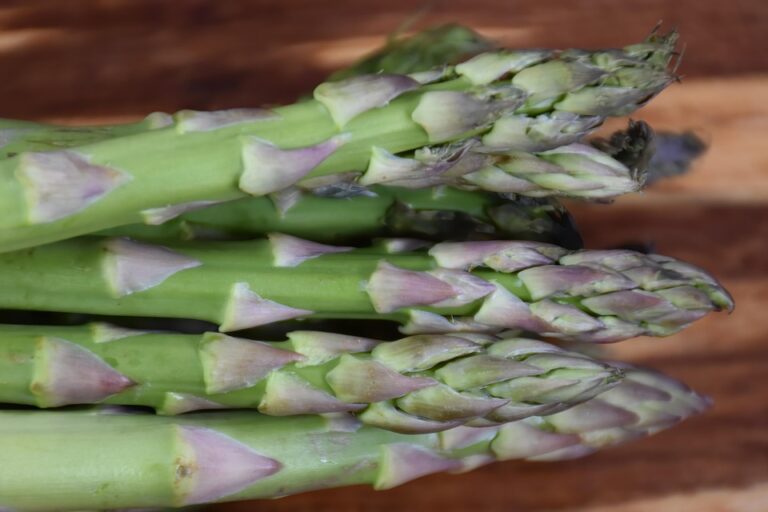
Asparagus – Folate and Vitamin C Rich
Asparagus is a nutritional powerhouse, delivering a robust combination of vitamins and minerals crucial for overall health. It is particularly rich in folate, a B vitamin essential for DNA synthesis and repair, and for cell division. These fundamental cellular processes are continuously active throughout the body.
The vegetable also provides a significant amount of vitamin C, a well-known antioxidant. Vitamin C helps protect cells from oxidative processes and supports the immune system. This dual action of folate and vitamin C makes asparagus a valuable addition to a diet aimed at comprehensive wellness.
Beyond these key vitamins, asparagus contains other beneficial compounds, including vitamin K and various antioxidants. Its fiber content also supports digestive health, contributing to an overall balanced system. Including asparagus in meals can be an excellent strategy for nutrient enrichment.
* Active Compounds: Folate (Vitamin B9), Vitamin C, Vitamin K.
* Best Used For: Boosting folate and vitamin C intake, antioxidant support.
* General Wellness Association: Supports DNA synthesis, cell division, and immune function.
Incorporation into Meals
Steam or roast asparagus spears as a side dish with your main meals several times a week.
Dark Chocolate – L-Arginine and Antioxidant Support
Dark chocolate, especially varieties with a high cocoa content, is not just a treat but a source of beneficial compounds. It contains L-arginine, an amino acid that acts as a precursor to nitric oxide in the body. Nitric oxide is a signaling molecule involved in various physiological processes, including the relaxation of blood vessels, which supports healthy circulation.
The rich cocoa in dark chocolate is also laden with flavonoids, a type of antioxidant. These compounds help manage oxidative stress, which is a factor in cellular health. The combination of L-arginine and antioxidants makes dark chocolate an interesting dietary component for general wellness.
Consuming dark chocolate in moderation can offer these benefits without excessive sugar intake. Choosing varieties with at least 70% cocoa content maximizes the concentration of these beneficial compounds. It provides a palatable way to support circulatory comfort and antioxidant defense.
* Active Compounds: L-Arginine, Flavonoids (Polyphenols), Theobromine.
* Best Used For: Supporting nitric oxide pathways and providing antioxidant support.
* General Wellness Association: Contributes to circulatory comfort and oxidative balance.
Mindful Enjoyment
Savor a small square of high-cocoa dark chocolate as a daily treat, rather than larger portions.
Beyond Food: Lifestyle Considerations for Wellness
While dietary choices are fundamental, other lifestyle factors significantly influence overall wellness, including aspects of reproductive health. Adequate hydration, consistent physical activity, and sufficient sleep are cornerstones of a balanced life. Each of these elements supports the body’s intricate systems in their daily functions.
Staying well-hydrated is essential for virtually every bodily process, including nutrient transport and waste elimination. Water is a critical component of all biological fluids. Many people aim to consume enough water throughout the day to support their hydration needs.
Managing stress through techniques like mindfulness or regular exercise can also play a role in maintaining physiological equilibrium. Chronic stress can influence various bodily systems. Prioritizing rest allows the body to repair and rejuvenate, impacting overall vitality. Information about health and wellness is consistently published by organizations like the National Institutes of Health.
Frequently Asked Questions
Do these foods increase sperm count?
These foods are discussed for their general nutritional contributions. They supply various vitamins, minerals, and antioxidants that support overall bodily functions. General nutrition is a broad topic, and specific outcomes related to sperm count are typically complex.
How quickly can a semen volume diet show effects?
The body’s processes are dynamic, and dietary changes typically support long-term wellness. Any perceived effects from a semen volume diet would generally develop over weeks or months, as the body integrates new nutritional inputs. Consistency is often a key factor in dietary approaches.
Are there any risks associated with consuming these foods?
For most healthy individuals, consuming these foods as part of a balanced diet poses no significant risks. However, individual sensitivities or allergies can occur. People with underlying conditions should always consult a qualified healthcare professional before making significant dietary changes.
Can supplements replace a diet rich in these foods?
While supplements can offer concentrated nutrients, a whole-food approach provides a broader spectrum of compounds, including fiber and various phytochemicals, that work synergistically. Most experts suggest that a balanced diet remains the primary source of nutrients. Supplements may be considered to complement, not replace, a healthy eating pattern.
The Bottom Line
Focusing on a balanced, nutrient-dense diet is a proactive step in supporting overall wellness, including aspects of reproductive health. Foods rich in omega-3s, zinc, allicin, folate, and L-arginine offer valuable contributions to the body’s intricate systems. These dietary choices, combined with a healthy lifestyle, empower individuals to take charge of their nutritional well-being. Consider integrating these beneficial foods into your regular meal planning for a comprehensive wellness approach.
Get Your FREE Natural Health Guide!
Subscribe now and receive our exclusive ebook packed with natural health tips, practical wellness advice, and easy lifestyle changes, delivered straight to your inbox.